Critical Home Inspection Red Flags Every Residential Buyer Should Know
Protect your investment by learning what structural and mechanical issues to watch for during your home inspection.

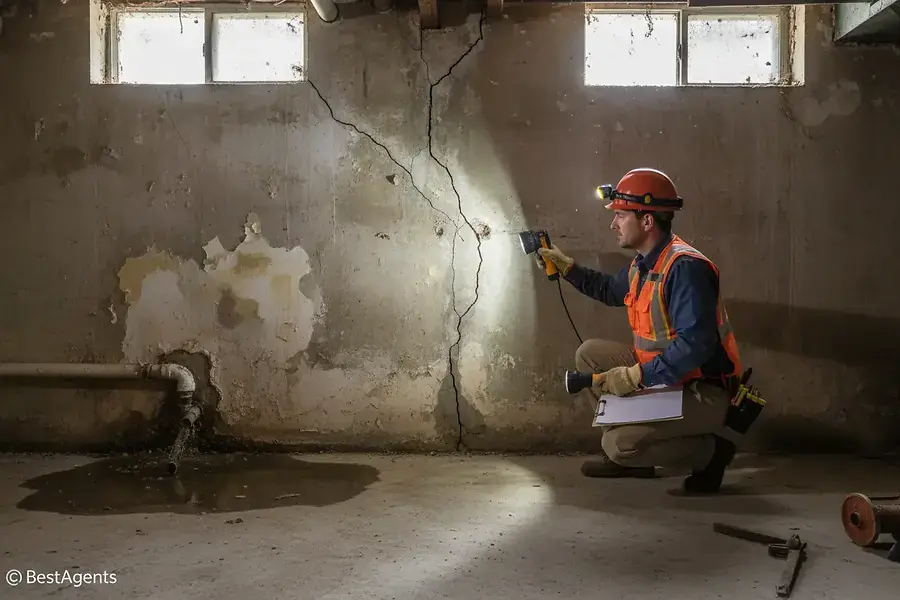
Why Home Inspections Matter for Residential Purchases
Purchasing a home is one of the most significant financial decisions you'll make in your lifetime. A thorough home inspection is your best defense against inheriting costly problems and hidden defects. During a professional inspection, trained inspectors examine the property's structural integrity, mechanical systems, and overall condition to identify potential issues before you sign on the dotted line.
Understanding what inspectors look for—and what red flags should concern you—empowers you to make informed decisions. Some issues are minor cosmetic concerns, while others could indicate serious problems requiring tens of thousands of dollars in repairs. Knowing the difference between a deal-breaker and a manageable issue is crucial for protecting your investment.
Structural Red Flags: Foundation, Roof, and Frame Issues
Foundation Problems
The foundation is your home's literal and financial foundation. Cracks in the foundation are one of the most serious red flags you can encounter. While hairline cracks are often cosmetic, larger cracks—especially those wider than a quarter inch or running horizontally—indicate serious structural problems.
Watch for these foundation warning signs:
- Bowing or leaning walls that suggest the foundation is shifting or settling unevenly
- Water seepage or dampness in basements or crawl spaces, which can lead to mold and structural decay
- Uneven or sloping floors that indicate foundation settlement
- Gaps between walls and the foundation suggesting movement or separation
Foundation repairs can easily cost $10,000 to $50,000 or more, making this one of the most critical areas to scrutinize.
Roof Condition and Age
Your roof protects everything beneath it, making its condition paramount. The age of the roof is your first consideration—most asphalt shingle roofs last 15-20 years. If the roof is nearing the end of its lifespan, budget for replacement costs ranging from $5,000 to $15,000 or more.
Red flags include:
- Missing, curled, or buckling shingles that expose the underlying structure to water damage
- Sagging roof lines indicating structural problems or water damage
- Moss or algae growth suggesting moisture retention and potential rot
- Visible water stains on ceilings or attic indicating active or past leaks
- Deteriorated flashing around chimneys, vents, and skylights where leaks commonly occur
Framing and Structural Integrity
The home's frame provides structural support for the entire building. Termite damage and wood rot are serious threats that compromise structural integrity. Look for evidence of pest damage, soft or spongy wood, and mud tubes created by termites.
Additional structural concerns include:
- Inadequate bracing or support beams that may not meet current building codes
- Signs of previous water damage in attics, crawl spaces, or basements
- Cracks in interior walls that may indicate foundation movement
Mechanical and Systems Concerns: Plumbing, Electrical, and HVAC
Plumbing Issues
Plumbing problems can range from minor annoyances to catastrophic failures. Outdated galvanized pipes are a common red flag in older homes. These pipes corrode over time, reducing water pressure and potentially contaminating water quality. Replacement can cost $3,000 to $10,000 depending on the home's size.
Key plumbing concerns:
- Slow drains or frequent backups suggesting clogs or deteriorated pipes
- Water stains under sinks or around toilets indicating leaks
- Low water pressure from corroded pipes or failing pressure regulators
- Polybutylene pipes (common in homes built 1978-1995) that are prone to failure
- Outdated septic systems that may not meet current regulations
Electrical System Red Flags
Electrical problems pose serious safety risks, including fire hazards. An outdated electrical panel is a major concern, especially if it uses fuses instead of circuit breakers or has insufficient capacity for modern appliances.
Critical electrical red flags include:
- Knob-and-tube wiring (common in homes built before 1950) that poses fire and shock hazards
- Aluminum wiring that can overheat and cause fires
- Missing ground fault circuit interrupters (GFCIs) in bathrooms and kitchens
- Outlets that don't work or lights that flicker, suggesting wiring problems
- Insufficient outlets leading to overloaded circuits
- Improper grounding or bonding of the electrical system
Electrical upgrades can cost $3,000 to $25,000 depending on the extent of needed work.
HVAC System Concerns
Heating, ventilation, and air conditioning systems are essential for comfort and indoor air quality. The age and condition of the HVAC system directly impact your comfort and utility bills.
HVAC red flags include:
- Systems over 15-20 years old that may fail soon, requiring replacement costs of $5,000 to $15,000
- Inadequate ductwork or missing insulation reducing efficiency
- Rust or corrosion on the furnace or air conditioning unit
- Unusual noises or odors from the system
- Improper refrigerant levels or leaks in air conditioning systems
Taking Action on Inspection Findings
Once you receive the inspection report, prioritize issues by severity and cost. Structural problems and safety hazards should be your top concerns. Don't ignore red flags hoping they'll resolve themselves—they typically worsen and become more expensive to fix.
Consider these options:
- Request repairs from the seller before closing, especially for major issues
- Negotiate a price reduction to account for repair costs you'll handle yourself
- Obtain detailed repair estimates from licensed contractors to understand true costs
- Walk away from the deal if issues are too severe or costly to justify the purchase
A professional home inspection is a small investment that can save you from making a costly mistake. By understanding these critical red flags and taking them seriously, you protect your financial future and ensure you're making an informed decision about one of life's biggest purchases.


