Critical Home Inspection Red Flags Every Residential Buyer Should Know
Discover the warning signs that could save you thousands in unexpected repairs and protect your investment.

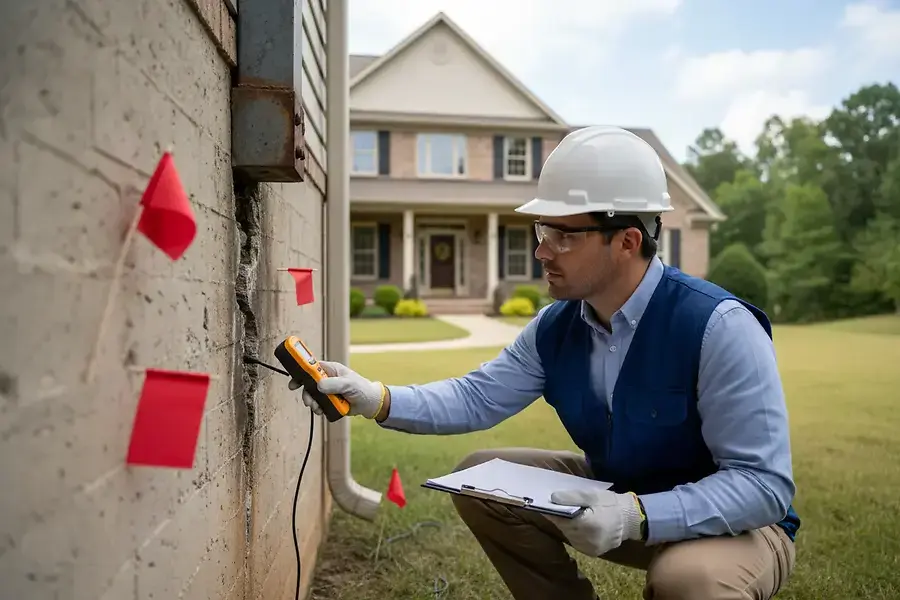
Why Home Inspections Matter More Than You Think
Purchasing a home is often the largest financial investment most people make in their lifetime. Yet many buyers rush through the inspection process or overlook critical warning signs that could cost them thousands of dollars in repairs. A thorough home inspection is your opportunity to uncover hidden problems before you sign on the dotted line.
Home inspectors are trained professionals who examine every major system and structural component of a property. Their detailed reports provide invaluable insights into the true condition of a home, allowing you to make informed decisions and negotiate better terms. Ignoring red flags during an inspection is a costly mistake that can haunt you for years.
Major Structural and Foundation Issues to Watch For
Foundation Problems
The foundation is the backbone of any home. Cracks in the foundation, uneven settling, or water damage are serious red flags that require immediate professional evaluation. Look for:
- Horizontal or stair-step cracks in basement walls
- Bowing or leaning walls
- Water stains or active moisture in the basement
- Gaps between the foundation and the home's frame
Foundation repairs can easily exceed $10,000 to $50,000 or more, making this one of the most critical areas to inspect thoroughly.
Roof Condition and Age
A compromised roof can lead to water damage, mold growth, and structural deterioration. During your inspection, ask about:
- The age of the roof and its remaining lifespan
- Missing, curled, or damaged shingles
- Sagging roof lines or uneven surfaces
- Signs of water damage in the attic
A roof replacement typically costs $8,000 to $25,000 depending on size and materials. If the roof is nearing the end of its life, factor this into your offer negotiations.
Structural Damage and Wood Rot
Inspect wooden beams, joists, and support structures for signs of rot, termite damage, or pest infestation. These issues compromise the structural integrity of the home and can be extremely expensive to repair.
Systems and Mechanical Problems That Affect Home Value
Electrical System Issues
Outdated or faulty electrical systems pose serious safety risks. Red flags include:
- Aluminum wiring (a fire hazard)
- Insufficient electrical panel capacity
- Exposed wiring or improper grounding
- Frequent circuit breaker trips
- Two-prong outlets instead of three-prong grounded outlets
Electrical upgrades can cost $3,000 to $25,000 or more, depending on the extent of the work needed.
Plumbing and Water Damage
Water-related issues are among the most common and costly problems in homes. Watch for:
- Slow drains or frequent backups
- Corroded or outdated pipes (galvanized or polybutylene)
- Water stains on ceilings or walls
- Mold or mildew growth
- Low water pressure throughout the home
Replacing old plumbing can cost $5,000 to $30,000 depending on the extent of the work. Water damage remediation and mold removal add significant costs on top of this.
HVAC System Condition
The heating, ventilation, and air conditioning system is crucial for comfort and air quality. Ask your inspector about:
- The age and condition of the furnace and air conditioning unit
- When the system was last serviced
- Signs of rust, corrosion, or leaks
- Proper ventilation and ductwork condition
A new HVAC system installation typically ranges from $5,000 to $15,000. If the current system is aging, budget for replacement in the near future.
Insulation and Ventilation
Poor insulation and ventilation lead to higher energy bills and potential moisture problems. Check for adequate insulation in the attic, walls, and basement, as well as proper ventilation to prevent moisture buildup.
How to Use Inspection Results to Negotiate Better Offers
Get Everything in Writing
Ensure your purchase agreement includes a professional home inspection contingency. This allows you to back out of the deal or renegotiate if significant issues are discovered.
Request Repair Estimates
When red flags are identified, obtain written estimates from licensed contractors for the necessary repairs. Use these estimates as leverage in your negotiations. You can request that the seller make repairs before closing, reduce the purchase price, or provide credits toward repairs.
Prioritize Issues by Severity
Not all inspection findings are deal-breakers. Prioritize issues by:
- Critical: Safety hazards and structural problems (foundation, electrical, roof)
- Important: Systems nearing end of life (HVAC, plumbing, water damage)
- Minor: Cosmetic issues and routine maintenance items
Focus your negotiations on critical and important items that will significantly impact the home's value and your safety.
Know When to Walk Away
If inspection results reveal extensive damage, multiple major system failures, or serious structural issues, don't be afraid to walk away from the deal. It's better to lose a deposit than to inherit a money pit that will drain your finances for years to come.
Making Informed Decisions as a Residential Buyer
A comprehensive home inspection is one of the most important steps in the home-buying process. By understanding common red flags and what they mean for your investment, you can make confident, informed decisions that protect your financial future.
Remember:
A thorough inspection today can save you tens of thousands of dollars in unexpected repairs tomorrow.Take the time to review the inspection report carefully, ask questions, and don't hesitate to seek additional professional opinions on serious issues. Your dream home should be a sound investment, not a financial nightmare.