Critical Home Inspection Red Flags Every Smart Buyer Should Know
Discover the warning signs that could save you thousands in unexpected repairs before closing.

Why Home Inspections Matter More Than Ever
Purchasing a home is likely the largest investment you'll make in your lifetime. While many buyers focus on location, price, and aesthetics, the true condition of the property often remains hidden beneath the surface. A professional home inspection is your best defense against costly surprises after closing day.
Home inspections have become increasingly critical in today's market. Older homes may harbor decades of deferred maintenance, while newer constructions can have hidden defects from rushed building practices. Understanding what to look for during an inspection can mean the difference between a sound investment and a financial nightmare.
The stakes are high: A single missed red flag could cost you anywhere from thousands to tens of thousands of dollars in unexpected repairs. This is why knowing the warning signs is essential before you sign on the dotted line.
Structural Issues That Can Derail Your Purchase
Foundation Problems
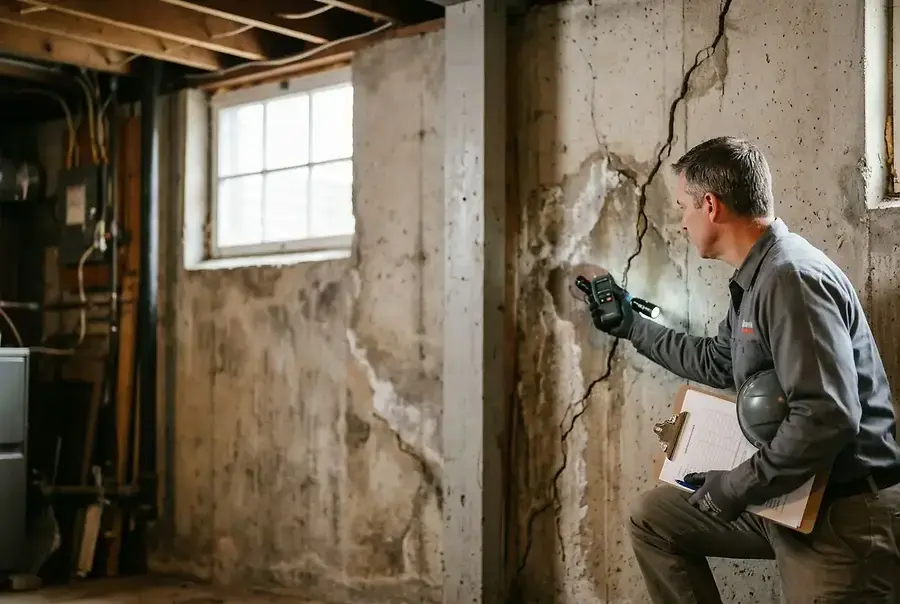
The foundation is the backbone of any home. Cracks in the foundation are not always cause for alarm, but certain types demand immediate attention. Look for:
- Horizontal cracks – These indicate serious structural stress and require professional evaluation
- Stair-step cracks – Often found in brick or block foundations, these suggest settling or movement
- Bowing walls – Walls that curve inward indicate pressure from soil or water damage
- Water seepage – Moisture in the basement is a red flag for foundation compromise
If you notice any of these issues, hire a structural engineer for a detailed assessment before proceeding with your purchase.
Roof Condition and Age
A roof replacement can cost $15,000 to $30,000 or more, making it one of the most expensive home repairs. During your inspection, pay attention to:
- Missing or damaged shingles
- Sagging roof lines
- Excessive granule loss (shingles appear bald)
- Rust or deterioration on metal roofing
- The age of the roof – most asphalt roofs last 15-20 years
Pro tip: Ask your inspector for the roof's estimated remaining lifespan. If it's nearing the end of its life, factor replacement costs into your offer.
Wall and Framing Issues
Structural problems in walls and framing can be expensive to repair. Watch for:
- Cracks in drywall or plaster that form patterns
- Doors and windows that don't close properly
- Visible wood rot or termite damage
- Sloping floors that suggest foundation settlement
Hidden Problems in Systems and Utilities to Watch For
Electrical System Concerns
Outdated or faulty electrical systems pose serious safety risks, including fire hazards. Red flags include:
- Aluminum wiring – Common in homes built in the 1960s-70s, it's a fire hazard and should be replaced
- Knob-and-tube wiring – This ancient wiring method is unsafe and insurance companies often refuse coverage
- Insufficient outlets – Homes with too few outlets often rely on extension cords, creating fire risks
- Tripped breakers – Frequent breaker trips indicate overloaded circuits
- Outdated panels – Federal Pacific Electric (FPE) and Zinsco panels are known to fail
Plumbing and Water Issues
Water damage is one of the most common and costly problems in homes. Be alert to:
- Slow drains or frequent backups
- Discolored water or low water pressure
- Visible corrosion on pipes
- Signs of water damage on ceilings, walls, or floors
- Outdated galvanized pipes – these corrode over time and may need replacement
- Polybutylene pipes – known to fail and cause water damage
Water damage can lead to mold growth, structural deterioration, and health hazards. Never ignore signs of moisture problems.
HVAC System Deficiencies
Heating and cooling systems are essential for comfort and can be expensive to replace. Check for:
- Age of the system – most HVAC units last 15-20 years
- Uneven heating or cooling throughout the home
- Excessive noise or vibration
- Rust or corrosion on the unit
- Improper installation or missing ductwork insulation
Mold and Air Quality
Mold growth indicates moisture problems and poses health risks. During your inspection, look for:
- Visible mold on walls, ceilings, or in crawl spaces
- Musty odors that suggest hidden mold
- Water stains that indicate past or present moisture issues
- Poor ventilation in bathrooms and kitchens
Taking Action on Inspection Findings
Once you receive your inspection report, don't panic – but do take it seriously. Here's how to proceed:
Prioritize the issues: Separate critical problems from minor concerns. Structural issues, electrical hazards, and water damage are deal-breakers. Minor cosmetic issues can often be overlooked.
Get professional estimates: For significant issues, obtain quotes from licensed contractors. This gives you concrete numbers to negotiate with the seller.
Negotiate repairs or credits: You have several options: request the seller make repairs before closing, ask for a credit toward repairs you'll handle yourself, or request a price reduction.
Know when to walk away: If the inspection reveals extensive problems that would require major repairs, it may be wise to continue your search. No home is worth inheriting a financial burden.
Don't skip the inspection: Some buyers waive inspections to make their offers more competitive. This is a risky gamble that rarely pays off. A thorough inspection is your protection and peace of mind.
A comprehensive home inspection is an investment in your future. By understanding these red flags and taking them seriously, you can make an informed decision and protect yourself from costly surprises. Remember, the goal isn't to find a perfect home – it's to find one where you understand exactly what you're buying.