Critical Home Inspections: What Buyers Must Know Before Purchase
Discover the essential inspection checklist that protects your investment and reveals hidden issues before closing.

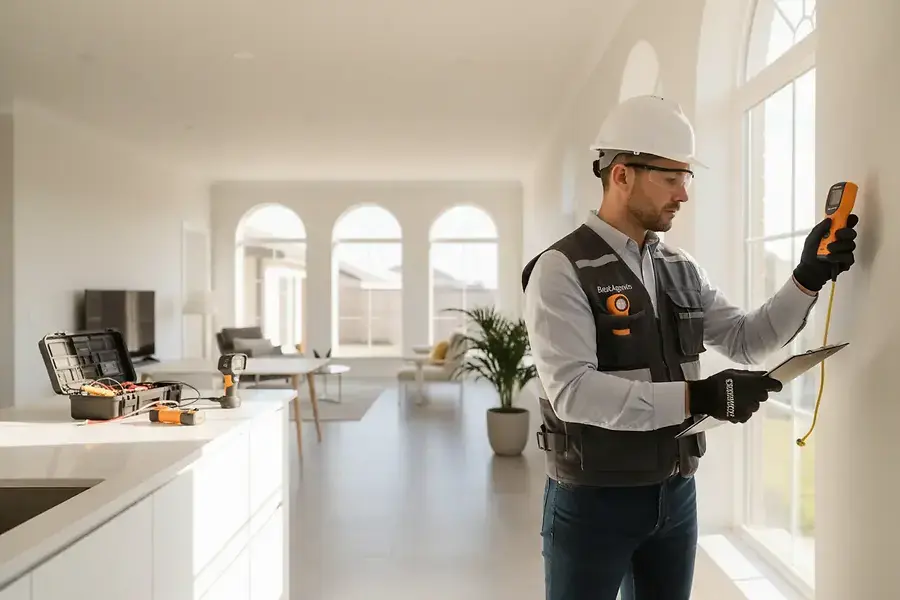
Why Professional Home Inspections Matter
Purchasing a home is one of the most significant financial decisions you'll make in your lifetime. While the excitement of finding your dream property can be overwhelming, it's crucial to take a step back and ensure you're making a sound investment. This is where professional home inspections become invaluable.
A comprehensive home inspection serves as your personal advocate during the buying process. A qualified inspector will thoroughly evaluate the property's structural integrity, mechanical systems, and overall condition, providing you with detailed information that could save you from costly repairs down the road. Without this critical assessment, you could unknowingly purchase a property with hidden defects that might cost tens of thousands of dollars to repair.
The inspection report becomes your negotiating tool, allowing you to request repairs, credits, or price reductions based on documented findings. More importantly, it gives you the peace of mind that comes from knowing exactly what you're buying.
Key Areas Every Home Inspector Examines
Structural Components
Inspectors begin by evaluating the home's foundation, walls, and roof structure. A compromised foundation can indicate serious structural problems that require expensive remediation. They'll look for cracks, settling, water damage, and signs of previous repairs that might suggest ongoing issues.
Roofing and Exterior
The roof is your home's first line of defense against the elements. Inspectors assess:
- Roof age and remaining lifespan
- Missing or damaged shingles
- Flashing condition around chimneys and vents
- Gutter and downspout functionality
- Exterior siding, windows, and doors
Plumbing Systems
Water-related issues are among the most expensive to repair. Inspectors examine water pressure, drainage, pipe materials, and check for leaks or corrosion. They'll test all fixtures and look for signs of water damage in walls and ceilings, which could indicate hidden plumbing problems.
Electrical Systems
A thorough electrical inspection ensures your home meets current safety standards. Inspectors evaluate:
- Panel condition and capacity
- Grounding and bonding
- Outlet and switch functionality
- Presence of outdated wiring (like aluminum or knob-and-tube)
- GFCI protection in wet areas
HVAC Systems
Heating, ventilation, and air conditioning systems are critical for comfort and indoor air quality. Inspectors test these systems and assess their age, efficiency, and maintenance needs. An aging HVAC system may need replacement soon, which is an important factor in your purchasing decision.
Interior Components
Inspectors examine insulation, ventilation, walls, ceilings, floors, and built-in appliances. They look for water stains, mold, pest damage, and other signs of deterioration that might affect the home's habitability and value.
Red Flags and What They Mean for Your Purchase Decision
Foundation Issues
Foundation problems are among the most serious issues a home can have, potentially requiring repairs costing $10,000 to $100,000 or more.Look for diagonal cracks, bowing walls, or uneven floors. These warrant a specialized foundation inspection before proceeding.
Roof Problems
If the roof is nearing the end of its lifespan or shows significant damage, budget for replacement costs, which can range from $8,000 to $25,000 depending on size and materials. This is a major expense that should influence your offer price.
Water Damage and Mold
Water stains, soft spots in wood, or visible mold indicate moisture problems. These issues can lead to structural damage, health concerns, and expensive remediation. Request a mold inspection if water damage is present.
Outdated Electrical Systems
Aluminum wiring or knob-and-tube electrical systems pose fire hazards and may not meet current codes. Rewiring a home can be expensive and disruptive, so factor this into your decision.
Plumbing Concerns
Corroded pipes, low water pressure, or drainage issues can indicate serious problems. Galvanized or cast iron pipes may need replacement soon, which is a significant expense.
HVAC Age and Condition
Systems older than 15-20 years may fail soon. Replacement costs typically range from $5,000 to $15,000, so this should be considered in your negotiations.
Pest Infestation
Signs of termites, rodents, or other pests require immediate professional treatment. The cost of pest control and any structural damage they've caused should be addressed before purchase.
Making Informed Decisions with Inspection Data
Once you receive your inspection report, take time to review it thoroughly. Don't ignore minor issues—they often indicate larger problems or poor maintenance. Consider the following steps:
- Request a detailed explanation of any findings you don't understand
- Obtain repair estimates for significant issues
- Negotiate repairs, credits, or price reductions with the seller
- Have specialists inspect any major concerns identified
- Factor repair costs into your final offer and budget
Remember, the inspection contingency in your purchase agreement protects you. Use this period to make an informed decision about whether to proceed, renegotiate, or walk away from the deal.
A professional home inspection is not an expense—it's an investment in your future. By understanding what inspectors look for and recognizing red flags, you empower yourself to make confident, informed decisions about one of life's most important purchases. Don't let the excitement of finding a home cloud your judgment. Insist on a thorough inspection and take the findings seriously.


