Critical Home Systems Every Buyer Should Inspect Before Making an Offer
Discover the essential systems and components savvy buyers evaluate to avoid costly surprises after closing.

Why Home Systems Matter More Than Aesthetics
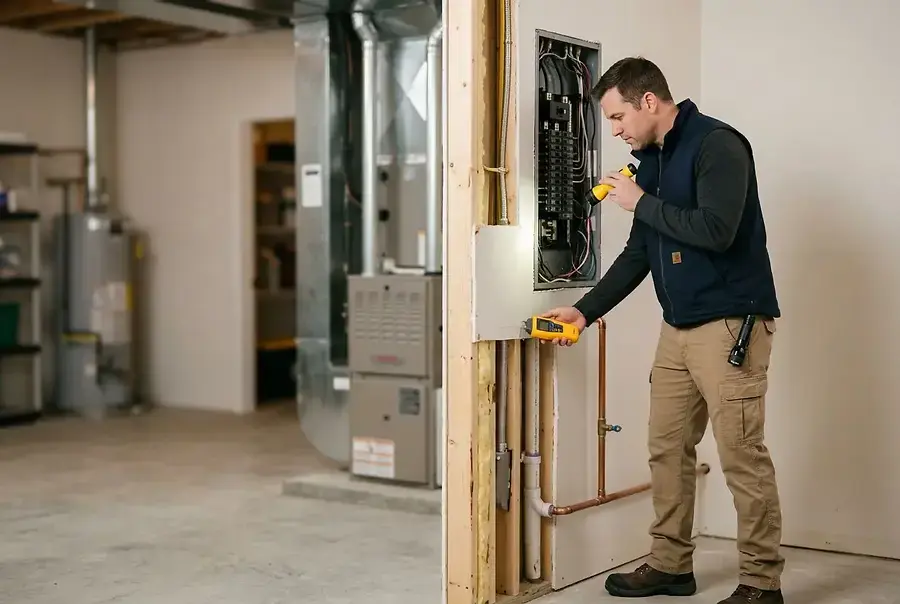
When house hunting, it's easy to get swept away by granite countertops, fresh paint, and hardwood floors. However, the true value of a home lies beneath the surface—in the systems that keep it running smoothly day after day. A beautiful kitchen means nothing if the electrical system is outdated or the plumbing is failing.
Home systems represent some of the most expensive components to repair or replace. A new roof can cost $15,000 to $30,000, a complete HVAC replacement runs $8,000 to $15,000, and electrical rewiring can exceed $20,000. Investing time in thorough inspections now can save you tens of thousands of dollars later.
Smart buyers understand that cosmetic upgrades are temporary, but structural integrity and functional systems determine whether a home is a sound investment or a financial burden.
Key Systems Buyers Should Prioritize: HVAC, Plumbing, and Electrical
HVAC Systems: Your Comfort and Wallet's Best Friend
The heating, ventilation, and air conditioning system is one of the most critical components of any home. During your inspection, ask about:
- The age of the furnace and air conditioning unit
- When the system was last serviced
- Whether the system is original to the home or has been replaced
- The efficiency rating (SEER for AC, AFUE for furnaces)
Systems older than 15-20 years are likely approaching the end of their lifespan. If you're buying in a cold climate, a failing furnace in winter is not just uncomfortable—it's a safety hazard. Request a professional HVAC inspection to assess the system's condition and remaining useful life.
Plumbing: The Hidden Network That Matters
Plumbing issues are often invisible until they become catastrophic. Water damage from hidden leaks can compromise structural integrity and promote mold growth. During your inspection, focus on:
- The age and material of the main water supply line
- Whether the home has galvanized pipes (which corrode and fail over time)
- The condition of the water heater and its age
- Signs of water damage, stains, or soft spots in walls and ceilings
- The functionality of all drains and fixtures
Older homes with galvanized pipes may need complete replumbing, which is a major expense. Similarly, water heaters typically last 10-15 years. Knowing the age of these components helps you budget for future replacements.
Electrical Systems: Safety First
Electrical problems pose serious safety risks, including fire hazards. When evaluating a home's electrical system, consider:
- The age and type of the main electrical panel
- Whether the home has adequate grounding and proper circuit breakers
- The presence of outdated fuses (a sign the system may be overloaded)
- The number of outlets and whether they meet modern standards
- Any signs of burnt outlets, flickering lights, or frequently tripped breakers
Homes with aluminum wiring or outdated panels are red flags. These systems may not safely handle modern electrical demands and could require expensive upgrades. A licensed electrician should always inspect the electrical system before you commit to a purchase.
Structural and Foundation Concerns: Red Flags You Can't Ignore
Foundation Issues: The Home's Backbone
The foundation is literally what holds everything together. Foundation problems are among the most expensive repairs a homeowner can face, sometimes costing $10,000 to $100,000 or more. Watch for:
- Visible cracks in the foundation or basement walls
- Uneven or sloping floors
- Doors and windows that stick or won't close properly
- Water seepage or dampness in the basement
- Bowing or leaning walls
Minor hairline cracks are often normal, but larger cracks, especially those wider than 1/4 inch, warrant professional evaluation. A structural engineer can assess whether issues are cosmetic or indicate serious problems.
Roof Condition: Your Home's First Line of Defense
The roof protects everything beneath it. A failing roof leads to water damage, mold, and structural deterioration. During your inspection:
- Determine the roof's age and remaining lifespan
- Look for missing, cracked, or curling shingles
- Check for signs of leaks in the attic
- Assess the condition of flashing around chimneys and vents
- Verify that gutters and downspouts are functioning properly
Most asphalt roofs last 20-25 years. If the roof is nearing the end of its life, factor replacement costs into your offer negotiations.
Structural Integrity: Beyond the Surface
Beyond the foundation and roof, evaluate the overall structural integrity by looking for:
- Signs of pest damage or termite infestation
- Rotting wood, particularly in the basement, attic, and around windows
- Sagging ceilings or floors
- Cracks in walls that follow a diagonal pattern (indicating structural stress)
Pest damage and wood rot can compromise the structural integrity of the entire home. These issues require professional assessment and can be expensive to remediate.
Empower Yourself with Knowledge Before You Buy
Buying a home is one of the largest financial decisions you'll make. Don't let emotional attachment to a property override practical due diligence. Always hire qualified home inspectors to evaluate critical systems before making an offer.
Request detailed inspection reports and don't hesitate to ask questions. If red flags emerge, negotiate repairs or credits into the purchase price, or walk away if the issues are too severe. A thorough inspection today protects your investment and your peace of mind for years to come.
Remember: a beautiful home with failing systems is not a bargain—it's a liability. Invest in knowledge, conduct thorough inspections, and make informed decisions. Your future self will thank you.


