Dallas Home Appraisals: Understanding Your Property's True Value
Learn how property appraisals work and why they matter when buying or selling in the Dallas residential market.

Why Home Appraisals Matter in Dallas Real Estate
When you're buying or selling a home in Dallas, one of the most critical steps in the process is the property appraisal. An appraisal is an independent, professional assessment of your home's market value—and it can make or break a real estate transaction. Whether you're a first-time homebuyer, an experienced investor, or a homeowner looking to sell, understanding how appraisals work is essential to making informed decisions in the Dallas residential market.
The Dallas real estate market has experienced significant growth and competition in recent years. With this dynamic environment comes the need for accurate property valuations. Lenders require appraisals to ensure they're not lending more money than a property is worth, while buyers and sellers rely on appraisals to establish fair market prices. Without a proper appraisal, you could overpay for a home or undersell your property.
What Goes Into a Professional Home Appraisal Process
The Appraiser's Role
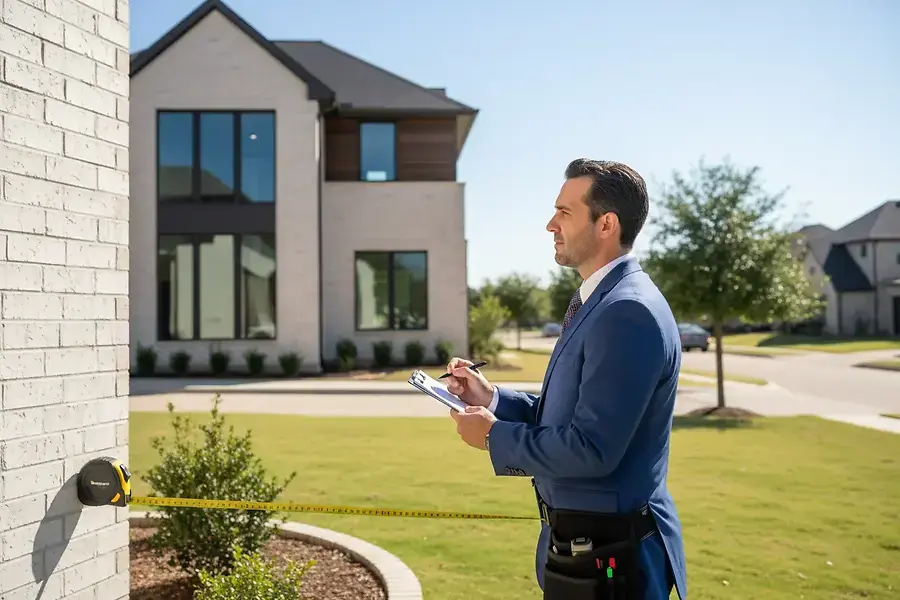
A certified appraiser is a trained professional who evaluates your property based on established standards and guidelines. In Texas, appraisers must be licensed and follow the Uniform Standards of Professional Appraisal Practice (USPAP). These professionals bring expertise, objectivity, and market knowledge to the valuation process.
Key Components of an Appraisal
A comprehensive home appraisal examines multiple factors:
- Property Condition: The appraiser inspects the home's structural integrity, roof condition, HVAC systems, plumbing, electrical systems, and overall maintenance.
- Square Footage: Accurate measurements of living space, including bedrooms, bathrooms, and usable areas, are crucial to valuation.
- Age and Construction Quality: The year built and construction materials significantly impact property value.
- Location and Neighborhood: Proximity to schools, shopping, employment centers, and the overall desirability of the neighborhood affect appraisal values.
- Comparable Sales: Appraisers analyze recent sales of similar properties in the area to establish a baseline for valuation.
- Upgrades and Improvements: Recent renovations, updated systems, and modern amenities can increase property value.
- Lot Size and Features: The size of the property and special features like pools, patios, or mature landscaping are considered.
The Appraisal Report
After completing their inspection and analysis, the appraiser prepares a detailed report. This document includes photographs, measurements, descriptions of the property's condition, comparable sales data, and the final appraised value. The report is typically provided to the lender and may be shared with the buyer and seller.
How Market Conditions Affect Property Values in Dallas
Supply and Demand Dynamics
The Dallas real estate market is influenced by supply and demand. When there are more buyers than available homes, property values tend to increase. Conversely, when inventory is high and demand is low, values may stabilize or decline. The Dallas area has experienced strong demand due to population growth, job opportunities, and migration from other states.
Economic Factors
Several economic indicators influence home values in Dallas:
- Employment Rates: A strong job market attracts residents and supports higher property values.
- Interest Rates: Lower interest rates make mortgages more affordable, increasing buyer demand and property values.
- Income Levels: Rising household incomes in the Dallas area support higher home prices.
- Cost of Living: Dallas remains relatively affordable compared to other major metropolitan areas, attracting new residents.
Neighborhood-Specific Factors
Different Dallas neighborhoods experience varying market conditions. Established areas like Highland Park and University Park maintain strong values due to their prestige and desirability. Emerging neighborhoods may offer growth potential, while areas undergoing revitalization can see significant appreciation. Understanding your specific neighborhood's trends is crucial for accurate appraisal expectations.
Seasonal Variations
The Dallas real estate market experiences seasonal fluctuations. Spring and early summer typically see increased activity and higher prices, while fall and winter may bring more moderate conditions. However, these patterns can shift based on broader economic conditions and market trends.
Using Appraisal Knowledge to Your Advantage
For Buyers
Understanding appraisals helps buyers make confident offers. If an appraisal comes in lower than the purchase price, you have negotiating power. You can request the seller lower the price, ask for repairs, or renegotiate terms. This knowledge protects your investment and ensures you're paying fair market value.
For Sellers
Sellers benefit from understanding what appraisers look for when valuing homes. Investing in visible improvements—fresh paint, landscaping, updated fixtures—can positively influence appraisals. Maintaining detailed records of upgrades and repairs also helps justify higher valuations. Pricing your home competitively based on recent comparable sales increases the likelihood of a successful appraisal.
Preparing for Your Appraisal
Whether you're buying or selling, you can take steps to ensure a smooth appraisal process:
- Keep your home clean and well-maintained
- Compile documentation of recent improvements and repairs
- Ensure the appraiser has access to all areas of the property
- Provide information about special features or upgrades
- Review the appraisal report carefully for accuracy
Challenging an Appraisal
If you believe an appraisal is inaccurate, you have options. You can request a reconsideration of value from the appraiser, providing additional comparable sales data or information about recent improvements. Some lenders allow for a second appraisal if you dispute the initial valuation. Having documentation and market knowledge strengthens your case if you need to challenge an appraisal.
Conclusion
Home appraisals are a fundamental part of Dallas real estate transactions. By understanding how appraisals work, what factors influence property values, and how market conditions affect your home's worth, you can navigate the buying and selling process with greater confidence and knowledge. Whether you're making one of the largest investments of your life or selling a cherished property, appraisal knowledge empowers you to make better decisions and achieve your real estate goals in the dynamic Dallas market.


