Dallas Home Inspection Checklist: What Every Buyer Should Know
Discover the essential inspection points that protect your investment and prevent costly surprises before closing.

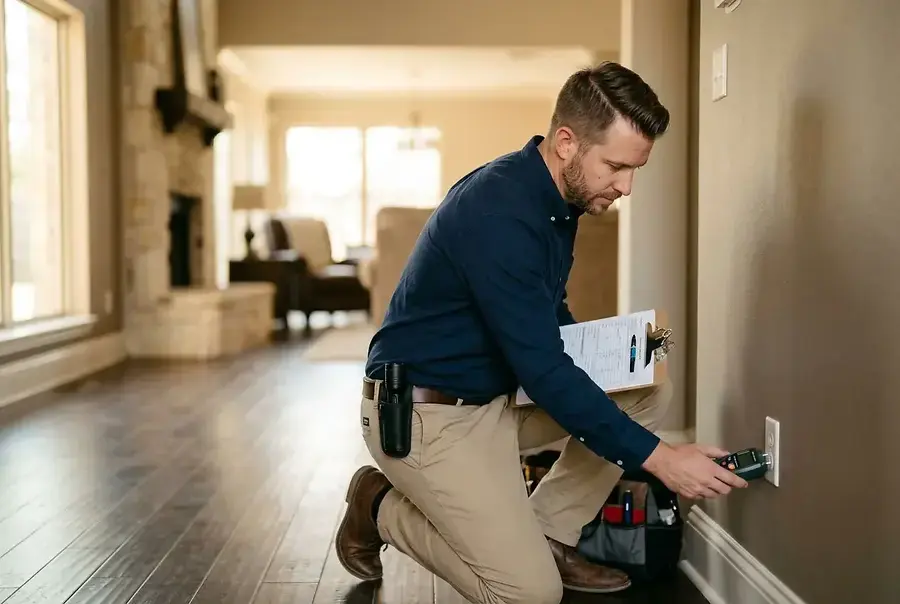
Understanding the Dallas Home Inspection Process
A home inspection is one of the most critical steps in the home-buying process. It's a thorough examination of a property's physical structure and systems, conducted by a licensed professional inspector. In Dallas, this process typically takes 2-4 hours and covers everything from the foundation to the roof.
During a standard inspection, the inspector will evaluate the home's condition and provide a detailed report highlighting any issues discovered. This report becomes your roadmap for negotiating repairs or credits with the seller. Understanding what to expect during this process helps you prepare questions and know what to look for when walking through the property with your inspector.
What Happens During an Inspection
Your inspector will systematically examine all accessible areas of the home. You have the right to be present during the inspection, and it's highly recommended that you attend. This gives you the opportunity to ask questions, understand the property's condition firsthand, and learn about maintenance requirements.
- Visual examination of the exterior, including siding, windows, and doors
- Assessment of the roof condition and gutters
- Inspection of the foundation and basement or crawl space
- Evaluation of all major systems: electrical, plumbing, HVAC, and water heater
- Review of insulation and ventilation
- Testing of appliances and fixtures
Key Areas to Inspect in Dallas Properties
Dallas homes face unique environmental and climate challenges that require special attention during inspections. The Texas heat, occasional severe weather, and the region's soil composition all impact how homes age and what issues commonly develop.
Foundation and Structural Integrity
Dallas's expansive clay soil can cause foundation movement and settling. This is one of the most critical areas to inspect. Look for cracks in the foundation, uneven floors, or doors and windows that don't close properly. These signs may indicate foundation issues that could be expensive to repair.
Roof and Attic
The intense Dallas sun can deteriorate roofing materials quickly. During inspection, check for missing or damaged shingles, proper ventilation, and signs of leaks. The attic should be properly insulated and ventilated to prevent heat buildup and moisture problems.
HVAC Systems
Air conditioning is essential in Dallas. Ensure the system is properly sized for the home, well-maintained, and functioning efficiently. Ask about the age of the unit and when it was last serviced. A failing AC system can be a significant expense in a hot climate.
Plumbing and Water Systems
Check for water pressure, drainage issues, and the condition of pipes. Dallas water can be hard, which may affect plumbing longevity. Look for signs of leaks, corrosion, or outdated materials that may need replacement soon.
Electrical Systems
Verify that the electrical panel is properly grounded and that the home has adequate capacity for modern appliances. Outdated wiring or an undersized panel could be a safety hazard and may require upgrades.
Common Issues Found in Dallas Homes and How to Address Them
Understanding typical problems in Dallas properties helps you know what questions to ask and what to prioritize in your inspection report.
Foundation Cracks and Settlement
Issue: Hairline cracks are common, but larger cracks or stair-step patterns indicate serious problems. Solution: Get a structural engineer's assessment. Minor cracks can be sealed, but significant foundation issues may require underpinning or other repairs.
Roof Damage and Deterioration
Issue: Curling shingles, missing granules, or visible damage from weather. Solution: Request a roof inspection from a specialist. Budget for replacement if the roof is nearing the end of its lifespan (typically 20-25 years).
Water Intrusion and Moisture Problems
Issue: Stains on ceilings, musty odors, or visible mold. Solution: Identify the source of moisture. This could be roof leaks, poor drainage, or plumbing issues. Address the root cause to prevent further damage.
Outdated Electrical Systems
Issue: Aluminum wiring, insufficient outlets, or an overloaded panel. Solution: Budget for electrical upgrades. This is a safety concern that should be addressed before moving in.
HVAC System Age and Efficiency
Issue: Old or failing air conditioning units. Solution: Get quotes for replacement. A new efficient system may qualify for rebates and will reduce energy costs.
Using Inspection Results to Negotiate and Protect Your Purchase
The inspection report is a powerful negotiating tool. Once you receive the report, you have options for how to proceed.
Reviewing the Report
Take time to carefully review the entire inspection report. Ask your inspector to explain any issues you don't understand. Prioritize items by severity—safety issues and major system failures should take precedence over cosmetic concerns.
Negotiation Strategies
You have several options when issues are discovered:
- Request repairs: Ask the seller to fix significant issues before closing
- Request credits: Have the seller provide a credit toward closing costs to cover repairs you'll make
- Request price reduction: Negotiate a lower purchase price to account for needed repairs
- Walk away: If major issues are discovered, you may have the right to terminate the contract
Protecting Your Investment
Don't skip the inspection to save money. A thorough inspection typically costs $300-500 but can save you thousands in unexpected repairs. Use the inspection contingency period wisely to make an informed decision about your purchase.
Document everything: Keep copies of the inspection report, any repair estimates, and communications with the seller. These documents protect you and provide a baseline for future maintenance.
Plan for maintenance: Even if no major issues are found, budget for regular maintenance. Preventive care extends the life of your home's systems and prevents costly emergencies.
A thorough home inspection is your best defense against costly surprises after closing. By understanding what to look for, asking the right questions, and using inspection results strategically, you can make a confident decision and protect your investment in your Dallas home.


