Dallas Property Taxes and Hidden Homeownership Costs Explained
Discover the real expenses beyond your mortgage payment and budget accordingly.

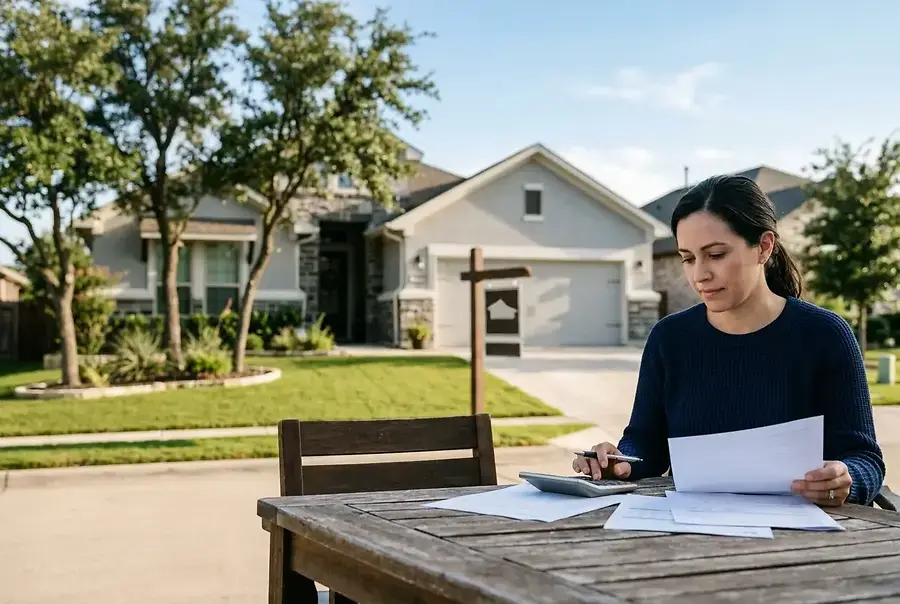
Introduction: Beyond the Purchase Price
When you buy a home in Dallas, the mortgage payment is just the beginning. Many first-time homeowners are surprised to discover that their actual monthly housing expenses extend far beyond what they owe to their lender. Understanding these hidden costs is crucial for making a sound financial decision and avoiding budget surprises down the road.
The true cost of homeownership includes property taxes, insurance, maintenance, and potentially HOA fees. In Texas, these additional expenses can significantly impact your overall housing budget. Let's break down each component so you can plan accordingly and make an informed decision about your Dallas home purchase.
Breaking Down Dallas Property Tax Rates and Assessments
Understanding Texas Property Tax Rates
Texas has no state income tax, but it compensates with property taxes that are among the highest in the nation. Dallas property tax rates vary by location, but homeowners typically pay between 1.6% to 2.2% of their home's assessed value annually. This means a $300,000 home could cost $4,800 to $6,600 per year in property taxes alone.
The property tax rate is determined by combining several components:
- School District Tax: The largest portion, typically 40-50% of your total property tax bill
- City Tax: Funds municipal services and infrastructure
- County Tax: Supports county-level services
- Special District Taxes: May include water, drainage, or other local improvements
How Property Assessments Work
Your property tax bill is calculated by multiplying your home's assessed value by the applicable tax rate. The Dallas County Appraisal District assesses property values, and these assessments can increase annually. In recent years, Dallas has experienced significant property value appreciation, leading to higher tax bills for many homeowners.
You have the right to protest your property assessment if you believe it's too high. Many homeowners successfully reduce their tax burden by filing an appeal with the appraisal district, especially if comparable homes in your area have lower assessed values.
Homestead Exemption Benefits
If you're a Texas resident and your primary residence, you may qualify for a homestead exemption. This exemption typically reduces your assessed value by $25,000 to $50,000, resulting in significant tax savings. Make sure to apply for this exemption in your first year of homeownership to start receiving benefits immediately.
Additional Homeownership Costs: Insurance, HOA, and Maintenance
Homeowners Insurance Requirements
Your mortgage lender will require homeowners insurance to protect their investment. In Dallas, annual homeowners insurance typically ranges from $800 to $1,500, depending on your home's value, age, and location. Factors that affect your premium include:
- Home's replacement cost and square footage
- Age and condition of the roof
- Distance from fire stations and water sources
- Your credit score and claims history
- Deductible amount you choose
Don't just accept the first quote you receive. Shopping around with multiple insurers can save you hundreds of dollars annually. Additionally, bundling homeowners insurance with auto insurance often provides discounts.
HOA Fees and Community Assessments
Many Dallas neighborhoods have homeowners associations that charge monthly or annual fees. These fees typically range from $100 to $500+ per month, depending on the community's amenities and services. HOA fees cover:
- Common area maintenance and landscaping
- Community amenities (pools, fitness centers, parks)
- Security and gate maintenance
- Administrative costs and management
- Insurance for common areas
Before purchasing a home in an HOA community, review the association's financial statements and reserve fund. A well-managed HOA with adequate reserves is less likely to impose special assessments that could significantly increase your costs.
Maintenance and Repair Costs
One of the most overlooked expenses is routine maintenance and unexpected repairs. Financial experts recommend budgeting 1-2% of your home's value annually for maintenance. For a $300,000 home, this means setting aside $3,000 to $6,000 per year.
Common maintenance expenses include:
- HVAC system servicing and replacement
- Roof repairs and replacement
- Plumbing and electrical repairs
- Appliance repairs and replacements
- Exterior painting and landscaping
- Water heater maintenance
Dallas's hot climate means your air conditioning system works overtime, requiring regular maintenance to prevent costly breakdowns. Additionally, severe weather events can cause unexpected damage, making an emergency fund essential for homeowners.
Utilities and Other Monthly Expenses
Don't forget about utilities, which can be substantial in Dallas due to air conditioning needs during hot summers. Budget for electricity, water, gas, internet, and trash removal. These costs typically range from $200 to $400 monthly, depending on your usage and service providers.
Conclusion: Making an Informed Financial Decision
Homeownership in Dallas is an excellent investment, but it requires careful financial planning beyond the mortgage payment. When budgeting for a home purchase, factor in property taxes, insurance, HOA fees, maintenance, and utilities. A good rule of thumb is that your total housing costs should not exceed 28-30% of your gross monthly income.
Here's a quick summary of typical annual costs for a $300,000 Dallas home:
Property Taxes: $4,800 - $6,600
Homeowners Insurance: $800 - $1,500
HOA Fees (if applicable): $1,200 - $6,000
Maintenance Reserve: $3,000 - $6,000
Utilities: $2,400 - $4,800
Total Additional Costs: $12,200 - $25,000 annually
By understanding these hidden costs upfront, you can make a confident decision about your Dallas home purchase and avoid financial stress down the road. Take time to research your specific neighborhood's tax rates, insurance costs, and HOA fees before making your offer. With proper planning and budgeting, homeownership in Dallas can be a rewarding and financially sound investment.


