Dallas Real Estate Market Trends: What Buyers Should Know in 2026
Stay ahead of the competition by understanding the current market dynamics, pricing strategies, and buyer behavior shaping Dallas residential real estate.

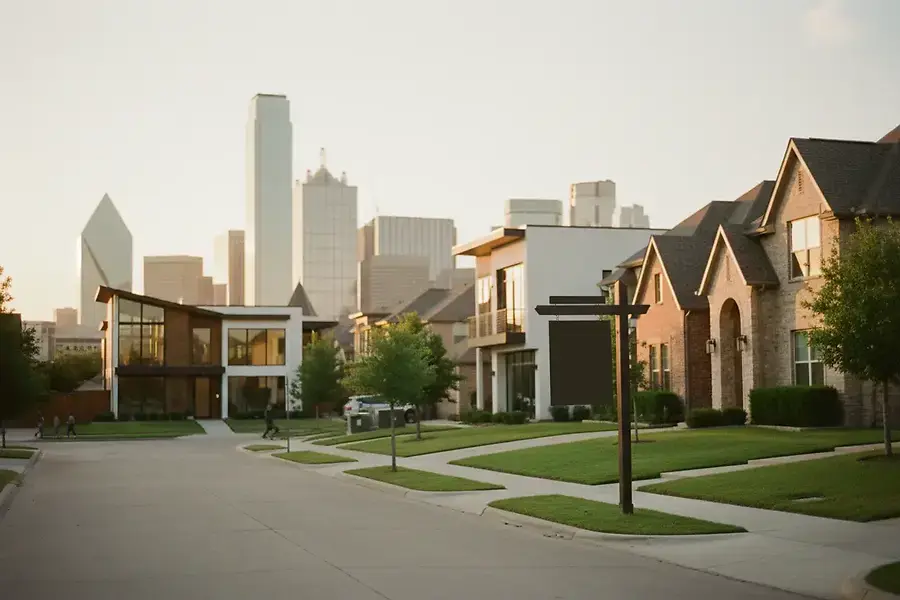
Understanding Current Dallas Market Conditions and Price Movements
The Dallas real estate market continues to demonstrate resilience and growth, attracting both seasoned investors and first-time homebuyers. Recent market data reveals a balanced approach between buyer and seller interests, with price movements reflecting broader economic trends and local demand patterns.
Current market conditions show that median home prices have stabilized after previous years of rapid appreciation. This stabilization creates opportunities for buyers who understand market timing and pricing dynamics. The inventory levels have improved compared to previous years, giving buyers more options while still maintaining healthy competition among sellers.
Price Trends and Market Indicators
Several key indicators shape the current pricing landscape:
- Interest Rate Environment: Mortgage rates have settled into a more predictable range, allowing buyers to better calculate long-term affordability and investment returns.
- Supply and Demand Balance: The market has shifted toward a more equilibrium state, reducing the extreme bidding wars that characterized previous years.
- Days on Market: Properties are spending slightly longer on the market, giving buyers more time to make informed decisions and negotiate favorable terms.
- Price Per Square Foot: This metric varies significantly by neighborhood, with premium locations commanding higher rates while emerging areas offer better value propositions.
Understanding these indicators helps buyers identify whether they're entering a market favorable to their position and what negotiating power they possess.
Key Neighborhoods Attracting Today's Homebuyers in Dallas
Dallas's diverse neighborhoods each offer unique advantages, and today's buyers are increasingly selective about location based on lifestyle preferences, investment potential, and long-term value.
Established Premium Neighborhoods
Traditional upscale areas continue to attract buyers seeking established communities with strong schools, mature landscaping, and proven appreciation histories. These neighborhoods maintain consistent demand and offer stability for long-term investors.
Emerging Growth Corridors
Newer development areas along major transportation corridors are gaining traction among younger buyers and investors. These neighborhoods offer modern amenities, lower entry prices, and significant growth potential. Proximity to employment centers and entertainment districts makes them increasingly attractive.
Urban Core and Walkable Communities
An increasing segment of buyers prioritizes walkability and urban convenience over traditional suburban living. Neighborhoods with mixed-use developments, local restaurants, and cultural attractions are experiencing renewed interest and appreciation.
Suburban Family-Oriented Areas
Families continue to seek neighborhoods with excellent schools, parks, and community amenities. These areas maintain steady demand and offer the space and safety that appeal to households with children.
Smart buyers recognize that neighborhood selection is as important as the property itself—location fundamentally determines both lifestyle satisfaction and investment returns.
Essential Strategies for Making Competitive Offers in Today's Market
While the market has become less frenzied than in previous years, competition remains real. Successful buyers employ strategic approaches to stand out and secure their desired properties.
Pre-Approval and Financial Readiness
Buyers must demonstrate serious financial capability. A strong pre-approval letter from a reputable lender signals to sellers that an offer is backed by genuine purchasing power. This becomes especially important in competitive situations where multiple offers exist.
Offer Structure and Terms
Beyond price, several factors influence offer attractiveness:
- Earnest Money Deposit: A substantial deposit demonstrates commitment and reduces seller risk.
- Inspection Contingencies: Flexible inspection terms can make offers more appealing, though buyers should never waive inspections entirely.
- Closing Timeline: Sellers appreciate buyers who can close quickly, reducing uncertainty and carrying costs.
- Appraisal Contingencies: Offering to cover appraisal gaps (within reason) can differentiate competitive offers.
- Personal Connection: A brief, genuine letter explaining why the property matters to the buyer can create emotional resonance with sellers.
Timing and Market Intelligence
Successful buyers stay informed about market conditions in their target neighborhoods. Understanding seasonal patterns, recent comparable sales, and days-on-market data enables strategic offer positioning. Knowledge is power in real estate negotiations.
Working with Experienced Agents
Real estate professionals who understand local market nuances provide invaluable guidance. They can advise on competitive pricing, neighborhood trends, and negotiation strategies that increase offer success rates.
Positioning Yourself as a Knowledgeable Guide for Your Clients
For real estate professionals, the current market environment rewards expertise and client education. Establishing yourself as a knowledgeable guide builds trust and loyalty.
Market Education and Transparency
Clients appreciate agents who explain market conditions honestly. Rather than pushing transactions, educate clients about realistic timelines, pricing expectations, and neighborhood dynamics. This transparency builds credibility and long-term relationships.
Specialized Neighborhood Knowledge
Develop deep expertise in specific neighborhoods. Understand school ratings, future development plans, demographic trends, and investment potential. This specialized knowledge differentiates you from generalist competitors and provides genuine value to clients.
Data-Driven Recommendations
Utilize market data, comparable sales analysis, and trend reports to support your recommendations. Clients increasingly expect evidence-based guidance rather than intuition-based advice. Present data clearly and explain what it means for their specific situation.
Proactive Communication
Stay in regular contact with clients throughout the buying or selling process. Provide market updates, alert them to new listings matching their criteria, and keep them informed about neighborhood developments. Proactive communication demonstrates commitment and keeps you top-of-mind.
Building Your Reputation
In today's market, reputation is currency. Deliver exceptional service, follow through on commitments, and encourage satisfied clients to share their experiences. Word-of-mouth referrals from happy clients remain the most powerful marketing tool in real estate.
The most successful real estate professionals aren't just transaction facilitators—they're trusted advisors who help clients make informed decisions aligned with their long-term goals.
Conclusion
The Dallas real estate market in 2026 offers opportunities for informed buyers and challenges for those unprepared for current conditions. By understanding market dynamics, researching neighborhoods thoroughly, employing strategic offer approaches, and working with knowledgeable professionals, buyers can navigate this market successfully. Whether you're a buyer seeking your next home or a professional guiding clients, knowledge and preparation remain your greatest assets in achieving real estate success.


