Danbury's Mixed-Use Market: Converting Properties for Dual Income Potential
Learn how residential-commercial hybrid properties in Danbury generate multiple revenue streams for savvy investors.

The Rise of Dual-Purpose Properties in Danbury's Real Estate Market
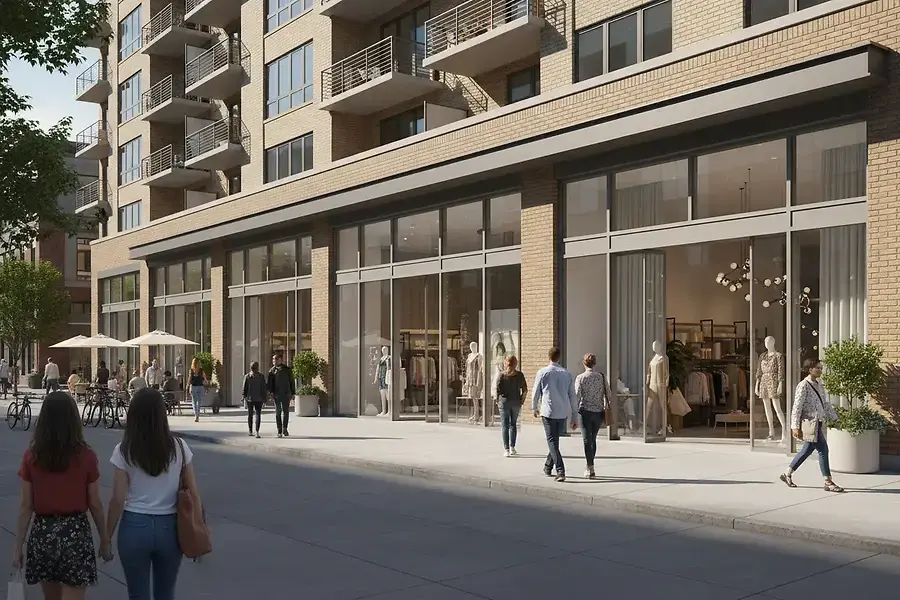
Danbury's real estate landscape is experiencing a significant transformation. Mixed-use properties—buildings that combine residential and commercial spaces—are becoming increasingly popular among investors seeking to maximize their returns. This trend reflects a broader shift in how modern communities are designed and how savvy property owners are capitalizing on emerging market opportunities.
The appeal is straightforward: instead of relying on a single income stream from either residential tenants or commercial businesses, mixed-use properties generate revenue from both sources simultaneously. This diversification not only increases overall income potential but also provides a buffer against market fluctuations. When one sector experiences a downturn, the other may remain stable or even thrive.
Danbury's strategic location in Connecticut, combined with its growing population and business-friendly environment, makes it an ideal market for these hybrid properties. The city's ongoing revitalization efforts have created numerous opportunities for property owners willing to invest in conversion projects.
Understanding Residential-Commercial Zoning and Conversion Opportunities
Navigating Zoning Regulations
Before converting a property into a mixed-use space, understanding local zoning laws is essential. Danbury's zoning ordinances allow for mixed-use development in specific districts, particularly in downtown areas and designated commercial zones. Property owners must verify that their location permits this type of conversion.
Key considerations include:
- Confirming the property's current zoning classification
- Reviewing permitted uses in that zone
- Understanding parking and accessibility requirements
- Checking building code compliance for mixed-use spaces
- Obtaining necessary permits and approvals from local authorities
Identifying Conversion Opportunities
Not every property is suitable for mixed-use conversion. The most successful candidates typically share certain characteristics. Properties with ground-floor commercial potential and upper-floor residential space are ideal. Historic buildings in downtown Danbury often present excellent opportunities, especially when combined with available tax incentives for renovation projects.
Common conversion scenarios include:
- Retail-to-Mixed-Use: Converting underperforming retail spaces into ground-floor shops with residential apartments above
- Office-to-Mixed-Use: Transforming vacant office buildings into modern mixed-use developments
- Single-Family-to-Mixed-Use: Expanding residential properties to include small commercial spaces
- Adaptive Reuse: Repurposing industrial or warehouse spaces for residential-commercial use
The Conversion Process
Converting a property requires careful planning and execution. The typical process involves:
- Assessment: Evaluate the property's structural integrity and conversion feasibility
- Planning: Develop detailed architectural and business plans
- Permitting: Secure all necessary zoning variances and building permits
- Renovation: Execute construction while maintaining separate utilities and entrances
- Leasing: Recruit quality residential tenants and commercial businesses
Financial Benefits and ROI Strategies for Mixed-Use Property Owners
Revenue Diversification
The primary financial advantage of mixed-use properties is revenue diversification. Rather than depending on a single tenant type, property owners collect rent from both residential and commercial sources. This approach significantly reduces vacancy risk and stabilizes cash flow.
For example, a property generating $3,000 monthly from residential units and $2,500 from commercial tenants provides more stability than a single-use property relying entirely on one revenue source.
Maximizing Property Value
Mixed-use properties typically command higher valuations than single-use alternatives. Lenders and investors recognize the reduced risk profile and multiple income streams, resulting in better financing terms and higher property appraisals. This increased equity provides opportunities for refinancing or leveraging the property for additional investments.
Tax Advantages and Incentives
Danbury offers several incentives for property developers and investors:
- Historic preservation tax credits for renovating older buildings
- Opportunity Zone benefits for qualifying investments
- Commercial property tax abatements in designated areas
- Depreciation deductions on both residential and commercial components
Operational Efficiency
Managing a mixed-use property allows for operational synergies. Shared utilities, maintenance staff, and security systems reduce per-unit operating costs compared to managing separate properties. Additionally, the presence of ground-floor commercial activity often increases foot traffic, benefiting both businesses and residential appeal.
ROI Optimization Strategies
To maximize returns on mixed-use investments, consider these strategies:
- Strategic Tenant Selection: Choose commercial tenants that complement residential living (cafes, boutiques, services)
- Premium Pricing: Residential units in mixed-use properties often command higher rents due to walkability and amenities
- Long-Term Leases: Secure longer commercial leases to ensure stable income
- Value-Add Improvements: Invest in amenities that appeal to both residential and commercial users
- Professional Management: Hire experienced property managers familiar with mixed-use operations
"Mixed-use properties represent the future of real estate investment. They offer superior returns, reduced risk, and the satisfaction of contributing to vibrant, walkable communities."
Conclusion: Positioning Yourself as a Mixed-Use Property Expert in Danbury
Danbury's mixed-use market presents compelling opportunities for investors willing to understand the complexities of residential-commercial hybrid properties. By mastering zoning regulations, identifying suitable conversion opportunities, and implementing sound financial strategies, you can unlock significant income potential.
Success in this market requires:
- Thorough due diligence and market research
- Strong relationships with local authorities and contractors
- Understanding of both residential and commercial tenant needs
- Commitment to professional property management
- Willingness to adapt to market changes
As Danbury continues to grow and evolve, mixed-use properties will play an increasingly important role in the city's development. Property owners who position themselves as experts in this niche will be well-positioned to capitalize on the substantial financial rewards these innovative properties offer. The time to explore Danbury's mixed-use market is now.


