Dayton Home Inspections: Your Complete Buyer's Protection Guide
What every homebuyer needs to know before closing on a Dayton property.

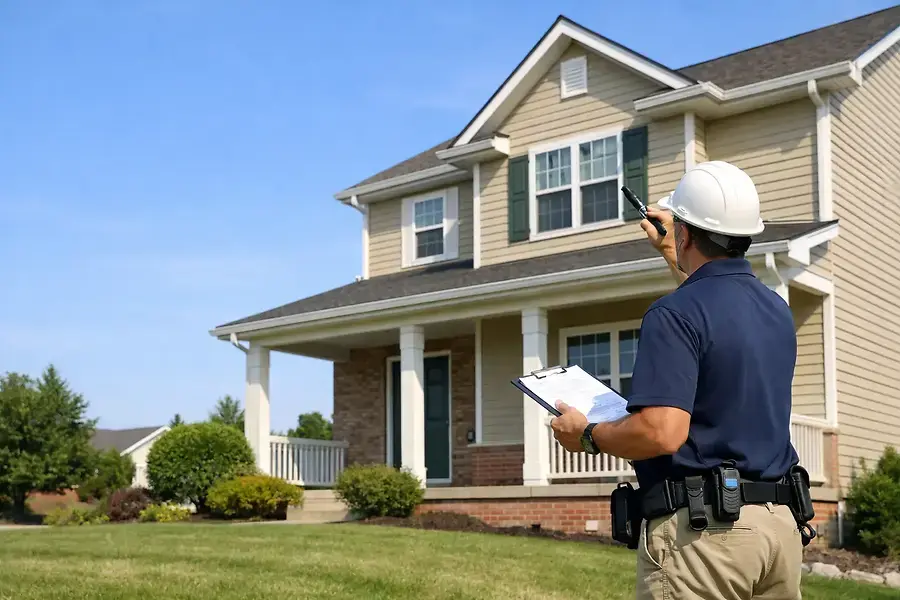
Why Home Inspections Matter in Dayton's Real Estate Market
Purchasing a home is one of the most significant financial decisions you'll make in your lifetime. In Dayton's competitive real estate market, a professional home inspection serves as your essential safeguard against costly surprises after closing. A thorough inspection provides you with detailed knowledge about the property's condition, allowing you to negotiate repairs, request credits, or make an informed decision about whether to proceed with the purchase.
Many homebuyers underestimate the importance of inspections, viewing them as an optional expense. However, skipping this critical step could leave you vulnerable to expensive repairs that weren't disclosed. In Dayton, where many properties range from historic homes to newer constructions, each type presents unique inspection considerations that a qualified professional can identify.
A professional home inspection typically costs between $300 and $500, a small investment compared to the potential cost of undiscovered structural issues, electrical problems, or plumbing failures. The inspection report becomes your roadmap for understanding the property's true condition and your negotiating power before signing final documents.
Key Areas Professional Inspectors Evaluate in Dayton Homes
Structural Components and Foundation
Inspectors begin by examining the home's foundation, which is critical in Dayton where soil conditions can vary significantly. They look for cracks, settling, water intrusion, and signs of structural movement. The inspector will also evaluate the roof structure, framing, and overall integrity of the building's skeleton.
Roofing and Exterior
The roof is your home's first line of defense against weather. Inspectors assess shingle condition, flashing integrity, gutters, and downspouts. They also examine siding, windows, doors, and exterior walls for damage, rot, or weathering that could lead to water infiltration.
Electrical Systems
A thorough electrical inspection includes checking the panel, wiring, outlets, and switches. Inspectors verify that the system meets current safety codes and can handle the home's electrical demands. Outdated or faulty wiring is a serious safety concern that requires immediate attention.
Plumbing and Water Systems
Inspectors test water pressure, check for leaks, examine pipes for corrosion, and evaluate the water heater's condition and age. They also inspect drainage systems and look for signs of water damage or mold related to plumbing issues.
HVAC Systems
Heating, ventilation, and air conditioning systems are evaluated for proper operation, age, and maintenance. Inspectors determine whether systems are functioning efficiently and estimate remaining lifespan, which helps you budget for future replacements.
Interior Conditions
The inspection includes a detailed walkthrough of all interior spaces, checking for:
- Wall and ceiling conditions
- Floor integrity and stability
- Doors and windows functionality
- Insulation and ventilation
- Signs of pest infestation or water damage
- Appliance condition (if included in sale)
Common Issues Found in Dayton Properties and How to Address Them
Water Damage and Moisture Problems
Dayton's climate can contribute to moisture issues in basements and crawl spaces. If inspectors discover water damage, you have several options: request that the seller address the issue before closing, negotiate a credit toward repairs, or hire a specialist for a more detailed assessment. Addressing moisture problems early prevents mold growth and structural deterioration.
Outdated Electrical Systems
Older Dayton homes may have outdated wiring or insufficient electrical capacity. While not always a deal-breaker, upgrading electrical systems can be expensive. Use the inspection report to negotiate with the seller or budget for upgrades after purchase. Never overlook electrical concerns, as they pose serious safety risks.
Roof Age and Condition
If the roof is nearing the end of its lifespan, factor replacement costs into your decision. A new roof typically costs $8,000 to $15,000 depending on size and materials. Request that the seller replace the roof or provide a credit if significant work is needed.
HVAC System Replacement Needs
Aging heating and cooling systems may require replacement within a few years. Understanding the system's age and condition helps you plan for this substantial expense. Request repairs or credits if the system is failing or near the end of its serviceable life.
Plumbing Issues
Corroded pipes, slow drains, or water pressure problems are common in older homes. Some issues are minor and inexpensive to fix, while others may require extensive replumbing. The inspection report clarifies which problems need immediate attention and which can wait.
Pest Infestation or Damage
Termites, carpenter ants, and other pests can cause significant structural damage. If the inspection reveals pest activity, request a separate pest inspection and treatment estimate. This is a serious issue that must be addressed before closing.
Using Inspection Results to Make Informed Buying Decisions
Once you receive the inspection report, take time to review it thoroughly. Don't panic if minor issues are found—most homes have some imperfections. Instead, focus on significant problems that affect safety, structural integrity, or major systems.
Use the report as a negotiating tool. You can request that the seller:
- Make specific repairs before closing
- Provide credits toward repairs you'll handle
- Reduce the purchase price to account for needed work
- Provide warranties or guarantees for recent repairs
If major issues are discovered, you may have the right to renegotiate or withdraw from the purchase, depending on your contract terms. Consult with your real estate agent and attorney about your options.
Remember, the inspection is your opportunity to make an informed decision based on facts, not emotions. A comprehensive home inspection in Dayton protects your investment and gives you confidence in your purchase decision. By understanding what inspectors evaluate and how to use their findings, you're taking a crucial step toward becoming a savvy homebuyer.
Don't rush the inspection process or skip this vital step. Your future self will thank you for the due diligence you perform today.