Decoding Home Inspection Reports: A Lakewood Homebuyer's Guide
Learn what inspectors look for and how to use inspection findings to negotiate better terms when buying or selling your Lakewood home.

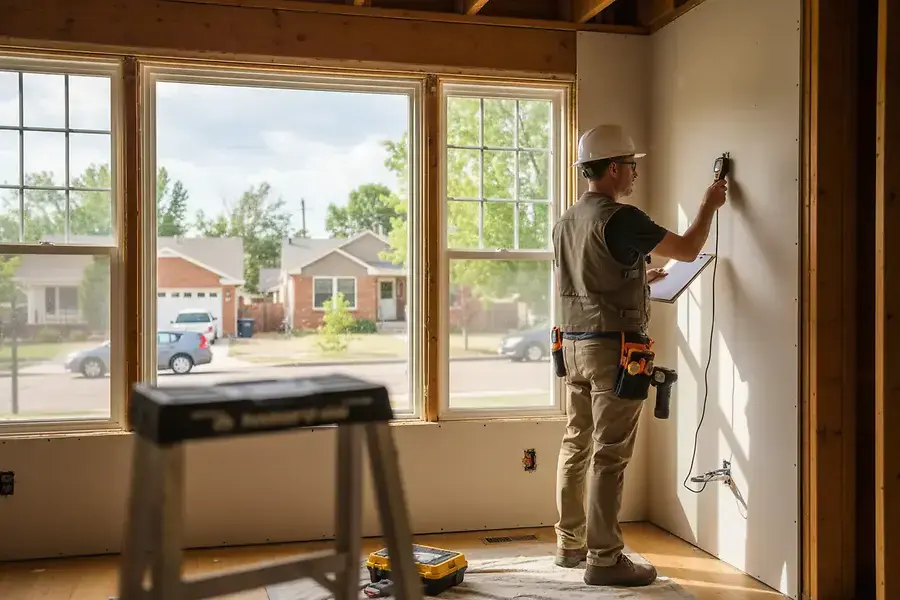
Why Home Inspections Matter for Lakewood Buyers and Sellers
A home inspection is one of the most critical steps in any real estate transaction. Whether you're purchasing your first home in Lakewood or selling a property you've owned for years, understanding what inspectors look for can save you thousands of dollars and prevent costly surprises down the road.
For buyers, a thorough inspection provides peace of mind and reveals hidden defects before you commit to the purchase. For sellers, addressing inspection issues proactively can streamline the sale process and increase buyer confidence. In Lakewood's competitive real estate market, inspection reports have become essential negotiation tools that can make or break a deal.
Home inspectors examine everything from the foundation to the roof, evaluating the structural integrity, mechanical systems, and overall condition of the property. This comprehensive assessment gives you concrete data to work with during negotiations.
Common Issues Found in Lakewood Homes and What They Mean
Roof and Exterior Concerns
Lakewood homes often experience roof-related issues due to weather exposure and age. Inspectors look for:
- Missing or damaged shingles
- Flashing problems around chimneys and vents
- Signs of water damage or leaks
- Gutter deterioration
A roof replacement can cost $8,000 to $15,000, making this one of the most significant findings in an inspection report. If your inspector notes roof issues, this becomes a major negotiation point.
Foundation and Structural Issues
Foundation problems are serious red flags that require immediate attention. Common findings include:
- Cracks in the foundation – Small hairline cracks are often cosmetic, but larger cracks may indicate structural movement
- Water intrusion – Basement moisture or flooding suggests drainage problems
- Settling – Uneven floors or doors that don't close properly may indicate foundation settling
Foundation repairs can be expensive, ranging from $5,000 to $25,000 or more. Understanding the severity of these issues is crucial for making informed decisions.
HVAC and Mechanical Systems
Heating, ventilation, and air conditioning systems are vital for comfort and energy efficiency. Inspectors evaluate:
- Age and condition of furnaces and air conditioning units
- Proper ventilation and ductwork
- Thermostat functionality
- Maintenance records and service history
An aging HVAC system may need replacement within a few years, which typically costs $5,000 to $10,000. This information helps you budget for future expenses.
Plumbing and Water Issues
Water-related problems can lead to mold, rot, and structural damage. Inspectors check for:
- Outdated plumbing materials (galvanized pipes, polybutylene)
- Leaks under sinks or around toilets
- Water pressure and drainage issues
- Water heater condition and age
Plumbing repairs range from minor fixes to complete repiping, which can cost $3,000 to $10,000 depending on the extent of the work needed.
Electrical Systems
Electrical safety is paramount. Inspectors look for:
- Outdated electrical panels or fuse boxes
- Insufficient outlets or grounding issues
- Aluminum wiring (a fire hazard in older homes)
- Proper circuit breaker function
Electrical upgrades can be costly, especially if the entire panel needs replacement, which may run $1,500 to $3,000.
How to Use Inspection Reports to Your Advantage in Negotiations
For Buyers: Leverage Findings to Reduce Price or Request Repairs
Once you receive the inspection report, you have several negotiation strategies:
Request a price reduction: Use the inspection findings to justify a lower offer. Calculate repair costs and subtract them from your original offer price. This approach is particularly effective for multiple issues.
Ask the seller to make repairs: Some buyers prefer having the seller address issues before closing. This ensures repairs are done to code and gives you recourse if problems persist.
Negotiate a credit at closing: A closing credit allows you to handle repairs yourself after purchase, giving you control over the quality and contractor selection.
Walk away if necessary: If inspection findings reveal major structural or safety issues, you may have grounds to terminate the contract, especially if you included an inspection contingency in your offer.
For Sellers: Address Issues Proactively
Sellers who address inspection issues before listing their homes often achieve better outcomes:
- Complete pre-listing inspections to identify and fix problems early
- Provide inspection reports to potential buyers to build trust and transparency
- Document all repairs and maintenance to demonstrate the home's condition
- Price competitively based on the home's actual condition
Proactive sellers often receive fewer inspection-related negotiations and can close deals faster.
Key Negotiation Tips
Get multiple repair estimates: Don't rely solely on the inspector's cost estimates. Obtain quotes from licensed contractors to support your negotiation position with accurate figures.
Prioritize major issues: Focus negotiations on significant structural, safety, or system problems. Minor cosmetic issues rarely justify major price reductions.
Remain professional and reasonable: Unreasonable demands based on inspection findings can derail negotiations. Stick to documented issues and fair market repair costs.
Consider the home's age and condition: Older homes naturally have more wear and tear. Adjust your expectations based on the property's age and previous maintenance history.
Making Informed Real Estate Decisions with Inspection Data
Home inspection reports are powerful tools that transform real estate transactions from guesswork into data-driven decisions. In Lakewood's dynamic housing market, understanding how to interpret and leverage inspection findings can mean the difference between a great deal and a costly mistake.
Whether you're buying or selling, approach the inspection process with transparency and honesty. Buyers should take inspection findings seriously and use them strategically in negotiations. Sellers should address issues proactively and provide documentation of repairs and maintenance.
Remember that no home is perfect. The goal of a home inspection isn't to find a flawless property but to understand what you're purchasing or selling and to make informed decisions based on accurate information. By mastering the art of reading and negotiating with inspection reports, you'll protect your investment and achieve better outcomes in your Lakewood real estate transaction.