Denver Home Inspections: A Buyer's Complete Guide to Protecting Your Investment
Learn what to expect during the inspection process and how to identify potential issues before closing on your Denver home.

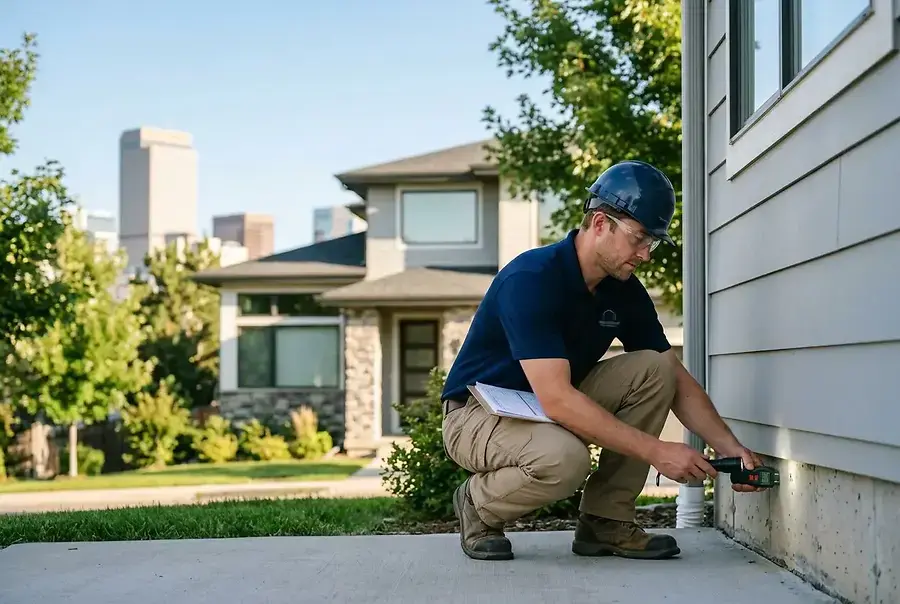
Why Home Inspections Are Critical for Denver Buyers
Purchasing a home is one of the most significant financial decisions you'll make in your lifetime. In Denver's competitive real estate market, it's easy to get caught up in the excitement of finding your dream property. However, skipping or rushing through a home inspection could cost you thousands of dollars in unexpected repairs and maintenance.
A professional home inspection serves as your personal advocate during the buying process. It provides an objective assessment of the property's condition, identifying issues that may not be visible to the untrained eye. Whether you're buying a historic Victorian home in Capitol Hill or a modern suburban property in the Tech Center, an inspection protects your investment and gives you the information needed to make confident decisions.
Key benefits of a home inspection include:
- Identifying structural problems before they become major expenses
- Revealing hidden issues with plumbing, electrical, and HVAC systems
- Providing leverage for negotiations and repair requests
- Giving you peace of mind about your purchase
- Uncovering safety hazards that could affect your family
Understanding the Home Inspection Process and Timeline
What to Expect During Your Inspection
A typical home inspection in Denver takes between 2-4 hours, depending on the property's size and age. The inspector will systematically examine every major component of the home, from the foundation to the roof. You should always be present during the inspection—this is your opportunity to ask questions and learn about your potential home.
The inspector will evaluate:
- Structural components: Foundation, walls, and framing
- Roofing: Condition, age, and remaining lifespan
- Exterior: Siding, windows, doors, and drainage systems
- Interior systems: Electrical, plumbing, and HVAC
- Appliances: Functionality and condition
- Attic and basement: Insulation, ventilation, and moisture issues
The Timeline: When to Schedule Your Inspection
In Denver, inspections typically occur after your offer is accepted but before the closing date. Most purchase agreements include a 7-10 day inspection contingency period. This window gives you time to schedule the inspection, review the report, and negotiate any necessary repairs or credits with the seller.
Pro tip: Schedule your inspection as soon as possible after your offer is accepted. This ensures you have maximum time to address any concerns before your contingency period expires.
Common Issues Found in Denver Properties and Solutions
Foundation and Structural Concerns
Denver's expansive clay soil can cause foundation issues over time. Inspectors commonly find cracks in foundations, uneven settling, and water intrusion problems. While minor cracks are normal, significant structural issues require professional evaluation and can be costly to repair. Request a structural engineer's assessment if major concerns are identified.
Roof and Weather-Related Damage
Denver's intense sun, hail, and snow create unique challenges for roofing. Inspectors frequently identify missing shingles, damaged flashing, and reduced roof lifespan. Given Denver's hail season, roof damage is common. Ask the seller about the roof's age and whether it has been replaced or repaired recently.
HVAC System Efficiency
Denver's high altitude and temperature fluctuations put stress on heating and cooling systems. Inspectors often find aging furnaces, air conditioning units that need servicing, or systems that aren't properly sized for the home. Budget for potential HVAC upgrades, especially in older properties.
Water Intrusion and Moisture Issues
Basements and crawl spaces in Denver properties frequently show signs of moisture problems. Poor grading, inadequate drainage, or foundation cracks can allow water to enter. These issues can lead to mold growth and structural damage if left unaddressed. Ensure proper drainage solutions are in place.
Outdated Electrical Systems
Older Denver homes may have outdated electrical panels or wiring that doesn't meet current safety standards. Aluminum wiring, insufficient grounding, and overloaded circuits are common findings. Upgrading electrical systems can be expensive but is essential for safety.
Plumbing Problems
Hard water, mineral buildup, and aging pipes are typical issues in Denver properties. Inspectors may find corroded pipes, slow drains, or water pressure problems. Older homes might have galvanized pipes that need replacement. Budget for potential plumbing upgrades.
Using Inspection Reports to Negotiate and Secure Your Offer
Reviewing Your Inspection Report
Once the inspection is complete, you'll receive a detailed report documenting all findings. The report typically categorizes issues by severity: critical, major, minor, and informational. Don't ignore the report—use it strategically.
Negotiation Strategies
Armed with your inspection report, you have several options:
- Request repairs: Ask the seller to fix critical and major issues before closing
- Negotiate credits: Request a credit toward closing costs to handle repairs yourself
- Renegotiate price: Use significant findings to justify a lower purchase price
- Walk away: If issues are too severe, you can terminate the contract during your contingency period
In Denver's market, sellers often prefer credits over repairs, as it gives them more control. Be strategic about which issues you prioritize—focus on major systems and safety concerns rather than cosmetic items.
Final Walkthrough
Before closing, conduct a final walkthrough to ensure all agreed-upon repairs have been completed. Verify that the home is in the condition you expected and that no new issues have arisen.
A thorough home inspection is your best defense against costly surprises after closing. In Denver's unique climate and real estate environment, professional inspection expertise is invaluable.
Conclusion: Protecting Your Denver Investment
A home inspection is not an optional luxury—it's a critical step in protecting your investment. By understanding what inspectors look for, knowing common Denver property issues, and using your inspection report effectively, you can make informed decisions and negotiate confidently.
Whether you're a first-time buyer or an experienced investor, prioritize getting a professional inspection. The cost of an inspection (typically $300-500) is minimal compared to the potential savings and peace of mind it provides. Your future self will thank you for taking this important step.


