Denver Metro Home Values: Comparing Prices Across 14 Communities
Understand how neighborhoods from Aurora to Monument affect your home's investment potential and resale value.

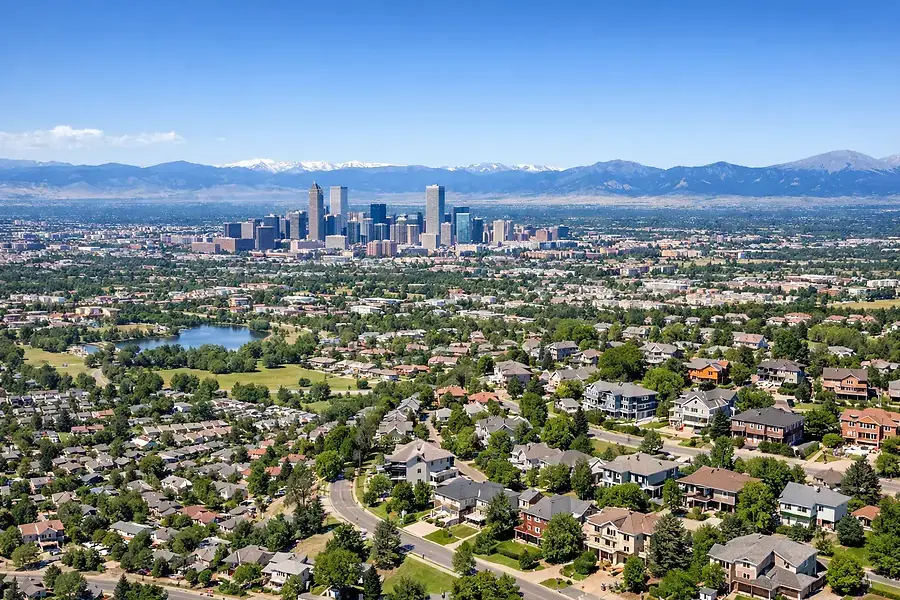
The Denver Metro Real Estate Market Overview
The Denver metropolitan area has emerged as one of the most dynamic real estate markets in the United States. With its thriving job market, outdoor recreation opportunities, and growing population, the region continues to attract homebuyers and investors from across the nation. Understanding the nuances of different neighborhoods is essential for anyone looking to make an informed real estate investment decision.
The Denver metro encompasses diverse communities, each with distinct characteristics that influence property values. From the urban core to suburban communities and mountain towns, the region offers varied lifestyle options and investment opportunities. Home values have experienced significant growth, but this growth has not been uniform across all neighborhoods.
Detailed Price Analysis by Neighborhood and Community
Urban Core Communities
Denver's central neighborhoods command premium prices due to their proximity to downtown, walkability, and cultural amenities. Downtown Denver and LoDo represent the highest-value areas, with median home prices reflecting the desirability of urban living. These neighborhoods attract young professionals and empty nesters seeking convenience and vibrant nightlife.
Capitol Hill and Washington Park offer slightly more affordable options while maintaining strong appreciation potential. These established neighborhoods feature historic charm, excellent schools, and proximity to parks and restaurants, making them attractive to families and investors alike.
Suburban Communities
The suburban ring surrounding Denver offers more affordable entry points while maintaining solid investment fundamentals. Aurora, one of the metro's largest suburbs, provides diverse neighborhoods with varying price points. The city's strong job market and growing amenities make it an attractive option for families seeking space and value.
Littleton and Englewood are known for their excellent schools and family-friendly environments. These communities have seen steady appreciation and attract buyers prioritizing education and community stability. Median home prices in these areas remain more accessible than downtown Denver while offering strong long-term value.
Broomfield and Westminster represent the northern suburban corridor, offering a mix of newer construction and established neighborhoods. These communities benefit from proximity to major employment centers and have experienced robust population growth.
Mountain and Foothill Communities
Boulder stands as the region's most expensive market, with home values significantly exceeding metro averages. The city's natural beauty, prestigious university, and limited housing supply create strong demand and appreciation potential. However, entry prices are substantially higher than other metro communities.
Golden and Evergreen offer mountain living with easier access to Denver than Boulder. These communities attract buyers seeking outdoor lifestyle benefits with somewhat more moderate pricing. The scenic beauty and recreational opportunities justify premium valuations compared to plains communities.
Monument, located south of Denver, represents the region's most affordable option while still offering solid fundamentals. This growing community appeals to buyers seeking value and new construction opportunities, though it requires longer commutes to downtown Denver.
Factors Driving Value Differences Across the Region
Location and Commute Times
Proximity to employment centers significantly impacts home values. Communities closer to downtown Denver and major job hubs command premium prices. Conversely, communities requiring longer commutes offer more affordable entry points, though appreciation potential may vary.
School Quality and Education
School district ratings remain one of the strongest value drivers in the Denver metro. Neighborhoods with highly-rated schools consistently show stronger appreciation and attract families willing to pay premiums. This factor particularly influences suburban community valuations.
Amenities and Lifestyle
- Parks and Recreation: Access to outdoor spaces, trails, and recreational facilities increases property values
- Walkability: Neighborhoods with pedestrian-friendly infrastructure command higher prices
- Dining and Entertainment: Proximity to restaurants, shops, and cultural venues supports valuations
- Natural Features: Mountain views, proximity to foothills, and scenic beauty justify premium pricing
Economic Growth and Employment
The Denver metro's diverse economy supports consistent real estate demand. Tech companies, healthcare providers, and energy sector employers create stable job growth. Communities with strong local employment opportunities show resilient property values and appreciation potential.
Housing Supply and Development
Limited housing supply in desirable neighborhoods supports price appreciation. Communities with restricted development potential, like Boulder, maintain stronger value growth. Conversely, areas with abundant new construction may experience more moderate appreciation.
Making Your Investment Decision Based on Market Data
Assessing Your Investment Goals
Your real estate investment strategy should align with your financial objectives. Long-term appreciation seekers might prioritize established neighborhoods with strong fundamentals, while value investors may find opportunities in emerging communities with growth potential.
Consider your timeline, risk tolerance, and desired lifestyle when evaluating neighborhoods. Premium communities like Boulder offer stability but require substantial capital. Emerging areas like Monument offer affordability but may involve longer commutes.
Key Metrics for Comparison
When comparing communities, examine multiple factors beyond median prices:
- Year-over-year appreciation rates
- Days on market and inventory levels
- Price-to-rent ratios for investment properties
- Population growth trends
- Local employment opportunities
- School district ratings and rankings
Market Outlook and Recommendations
The Denver metro real estate market remains fundamentally sound with diverse opportunities across price points. Urban core neighborhoods offer stability and appreciation potential for those prioritizing convenience. Suburban communities provide balanced value and lifestyle benefits. Mountain communities appeal to those seeking natural beauty and outdoor lifestyle.
Prospective buyers and investors should conduct thorough due diligence, considering both current market conditions and long-term growth potential. Working with local real estate professionals who understand neighborhood-specific dynamics can significantly enhance investment outcomes.
"The best real estate investment is one that aligns with your personal goals, financial situation, and lifestyle preferences while offering solid fundamentals for long-term appreciation."
Whether you're seeking your primary residence or investment property, the Denver metro offers opportunities across diverse communities and price points. By understanding the factors driving value differences and conducting thorough market analysis, you can make informed decisions that support your financial goals and lifestyle aspirations.


