Denver's Mixed-Use Properties: Investment Opportunities for 2025
Discover how commercial-residential hybrid properties are reshaping Denver's real estate market and creating profitable investment strategies.

Introduction: The Growing Demand for Mixed-Use Properties in Denver
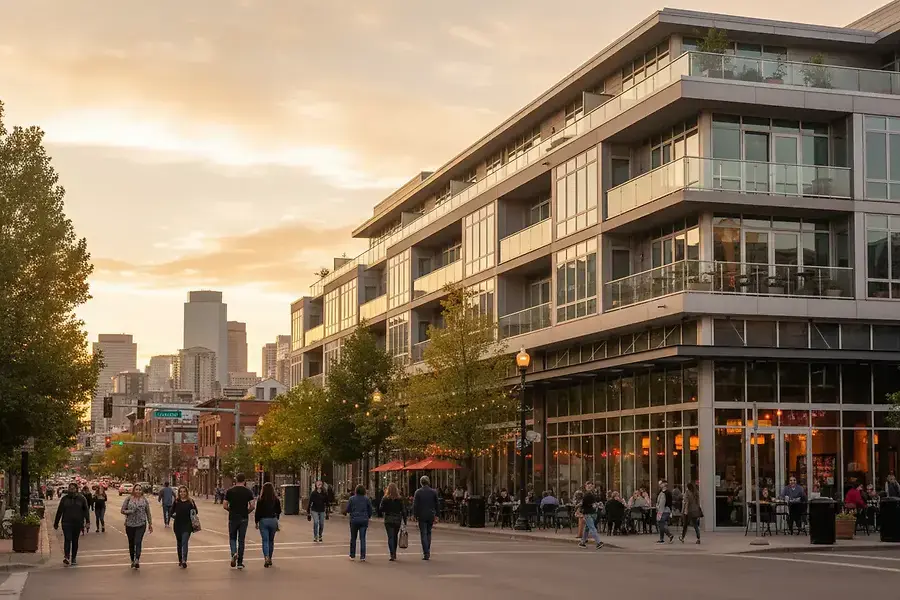
Denver's real estate landscape is undergoing a significant transformation. The city has become a hotbed for mixed-use properties—developments that seamlessly blend residential, commercial, and entertainment spaces under one roof. This evolution reflects a broader shift in how people want to live, work, and play in urban environments.
The demand for mixed-use properties in Denver has surged as professionals seek convenience and walkability. Rather than commuting between separate locations, residents increasingly prefer neighborhoods where apartments sit above retail shops, restaurants, and offices. This trend creates exceptional opportunities for investors looking to diversify their portfolios and generate multiple revenue streams.
Why Denver? The Mile High City offers the perfect combination of economic growth, population influx, and urban revitalization. With a thriving job market and an influx of young professionals, Denver has become an ideal location for mixed-use development.
Types of Mixed-Use Properties Available in Denver's Current Market
Urban Loft Conversions
Historic buildings throughout Denver are being transformed into modern loft spaces with ground-floor retail or dining establishments. These conversions preserve architectural character while meeting contemporary lifestyle demands. Investors benefit from both rental income from residential units and commercial lease agreements.
Transit-Oriented Developments (TODs)
Denver's expanding public transportation network has sparked development around transit hubs. These properties combine residential units with retail, offices, and services within walking distance of light rail stations. TODs offer exceptional value propositions:
- Reduced parking requirements and costs
- Higher foot traffic for commercial tenants
- Premium rental rates for transit-accessible residences
- Strong appreciation potential
Neighborhood Mixed-Use Centers
Emerging neighborhoods like RiNo, Five Points, and Highlands are developing comprehensive mixed-use centers. These properties typically feature:
- Residential apartments or condos on upper floors
- Ground-level retail, restaurants, and cafes
- Office spaces for small businesses and startups
- Community gathering spaces and amenities
Adaptive Reuse Projects
Denver's warehouse district and industrial areas are being reimagined as vibrant mixed-use communities. Former factories and storage facilities now house trendy apartments, creative offices, galleries, and entertainment venues. These projects attract investors seeking unique properties with strong community appeal.
Financial Benefits and Investment Returns for Denver Property Owners
Multiple Revenue Streams
Unlike traditional single-use properties, mixed-use developments generate income from various sources. A single property might produce revenue from:
- Residential leases from apartment or condo units
- Commercial leases from retail tenants and restaurants
- Office space rentals for professional services
- Parking revenue from dedicated or shared facilities
- Amenity fees from residents and commercial users
This diversification reduces risk. If one revenue stream underperforms, others can compensate, providing more stable cash flow than single-use properties.
Higher Occupancy Rates
Mixed-use properties typically maintain higher occupancy rates than standalone commercial or residential buildings. The integrated nature of these developments creates synergy—residents support ground-floor businesses, while commercial tenants attract foot traffic that benefits the entire property.
Appreciation Potential
Denver's real estate market has demonstrated consistent appreciation. Mixed-use properties, particularly those in prime locations near transit or in revitalized neighborhoods, command premium prices. Strategic investors who acquire properties early in neighborhood development cycles can realize substantial long-term gains.
Tax Advantages
Mixed-use property owners can benefit from various tax incentives:
- Depreciation deductions on both residential and commercial components
- Opportunity Zone benefits in designated areas
- Commercial property tax abatements in some neighborhoods
- Deductible expenses for maintenance, management, and improvements
Operational Efficiency
Managing a single mixed-use property is often more efficient than operating multiple separate buildings. Consolidated management reduces overhead costs, streamlines maintenance, and improves overall profitability. Property managers can coordinate services, negotiate better vendor rates, and implement unified security and amenity systems.
Market Resilience
"Mixed-use properties have proven more resilient during economic downturns because they serve multiple markets simultaneously. When one sector weakens, others often remain stable."
This resilience makes mixed-use investments particularly attractive for risk-conscious investors seeking stability alongside growth potential.
Conclusion: Positioning Yourself in Denver's Evolving Real Estate Landscape
Denver's mixed-use property market represents one of the most compelling investment opportunities in the region. As the city continues to grow and evolve, demand for integrated commercial-residential spaces will only intensify.
Key takeaways for potential investors:
- Mixed-use properties offer diversified income streams and reduced risk
- Denver's location, growth trajectory, and urban development make it ideal for these investments
- Multiple property types exist, from transit-oriented developments to adaptive reuse projects
- Financial benefits include higher occupancy rates, appreciation potential, and tax advantages
- Operational efficiency and market resilience provide long-term stability
Whether you're a seasoned real estate investor or exploring your first major property investment, Denver's mixed-use market deserves serious consideration. The convergence of residential and commercial spaces isn't just a passing trend—it's the future of urban living. By positioning yourself strategically in this evolving landscape, you can build a profitable, resilient investment portfolio that thrives for years to come.
The time to invest in Denver's mixed-use properties is now, before prime opportunities become scarce and prices reach their peak.


