Designing Multi-Generational Homes: Layout Solutions for Modern Families
Create functional living spaces that accommodate aging parents, adult children, and grandchildren while preserving everyone's independence and comfort.

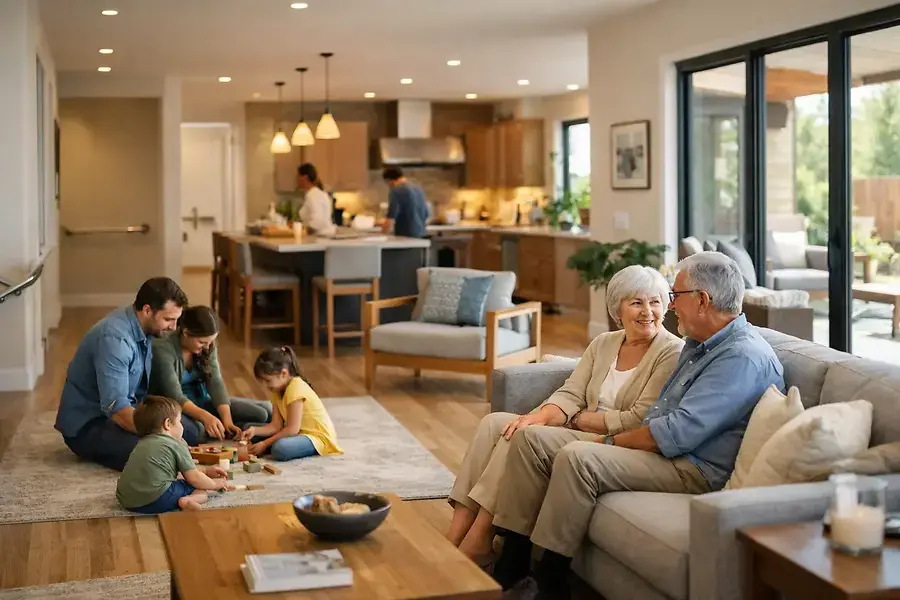
Understanding the Rise of Multi-Generational Living Arrangements
Multi-generational living has become increasingly common in modern families. Economic pressures, rising healthcare costs, and the desire to maintain close family bonds have driven more households to embrace shared living arrangements. Today's families are discovering that living under one roof can strengthen relationships while providing practical benefits for everyone involved.
This shift represents a return to traditional family structures, but with contemporary twists. Unlike previous generations, modern multi-generational homes must accommodate diverse lifestyles, work-from-home arrangements, and varying mobility needs. The challenge lies in designing spaces that feel like home for everyone, regardless of age or life stage.
Why Families Are Choosing Shared Living
Several factors contribute to this growing trend:
- Financial Benefits: Shared expenses for mortgage, utilities, and maintenance reduce individual financial burdens
- Caregiving Support: Family members can provide childcare and elder care without expensive external services
- Emotional Connection: Grandparents maintain active roles in grandchildren's lives, creating meaningful intergenerational bonds
- Aging in Place: Elderly parents can remain in a familiar environment with family support rather than moving to care facilities
Essential Home Design Features for Multigenerational Comfort and Privacy
Successful multi-generational homes require thoughtful design that balances shared spaces with private retreats. The key is creating distinct zones where family members can interact when desired but also enjoy solitude when needed.
Separate Living Quarters
The most effective multi-generational homes feature semi-independent living spaces. Consider these options:
- In-Law Suites: A complete apartment within the home with its own bedroom, bathroom, and kitchenette allows aging parents to maintain independence while staying close to family
- Accessory Dwelling Units (ADUs): A separate small home on the property provides maximum privacy while keeping family nearby
- Basement Apartments: Finished basement spaces with separate entrances offer affordable private quarters for adult children or grandparents
Shared Common Areas
Design generous shared spaces that encourage family interaction without forcing it. A large kitchen with multiple work stations allows several family members to cook together. Open-concept living areas with comfortable seating arrangements create natural gathering spots. Consider adding:
- A spacious dining table that accommodates the entire family
- A media room or entertainment space for family activities
- A mudroom or entry area with individual storage for each household member
- A home office area for those working remotely
Accessibility and Mobility Considerations
Universal design principles benefit everyone, not just elderly family members. Wide hallways accommodate wheelchairs and walkers while making it easier to move furniture. Single-level living or elevators eliminate stairs that can be challenging for aging parents or young children. Install grab bars in bathrooms, ensure adequate lighting throughout the home, and choose flooring that prevents slips and falls.
Bedrooms should be strategically located—place master suites on the main level for aging parents, keeping them away from stairs. Ensure bathrooms are accessible with walk-in showers, raised toilets, and adequate maneuvering space.
Soundproofing and Privacy
Living in close quarters requires attention to noise management. Soundproof walls between bedrooms and common areas help maintain privacy. Separate HVAC zones allow different temperature preferences without conflict. Consider installing pocket doors or sliding doors that don't swing into shared spaces, maximizing usable floor area while improving traffic flow.
Outdoor Spaces
Don't overlook the importance of outdoor areas. A well-designed backyard provides space for children to play, adults to garden, and grandparents to enjoy fresh air. Create multiple seating areas at different elevations to accommodate various mobility levels. Ensure pathways are smooth and well-lit for safety.
Financial Planning and Legal Considerations for Shared Property Ownership
Before combining households, families must address practical and legal matters to prevent future conflicts.
Ownership and Title Issues
Determine how the property will be owned. Options include:
- Joint Tenancy: All owners have equal rights; property automatically transfers to surviving owners
- Tenancy in Common: Each owner holds a specific percentage; their share passes to their heirs
- Sole Ownership: One family member owns the property; others pay rent or contribute to expenses
Consult an attorney to establish clear ownership structures that reflect each family member's financial contribution and intentions.
Financial Arrangements
Create a detailed agreement outlining how expenses will be shared. Document contributions toward mortgage, property taxes, insurance, utilities, and maintenance. Specify what happens if someone wants to leave or if circumstances change. Written agreements prevent misunderstandings and protect everyone's interests.
Estate Planning
Update wills, trusts, and beneficiary designations to reflect the new living arrangement. Consider how the property will be handled if someone passes away or becomes incapacitated. Establish powers of attorney and healthcare directives for aging family members.
Insurance and Liability
Review homeowner's insurance to ensure adequate coverage for a multi-generational household. Discuss liability concerns—what happens if someone is injured on the property? Consider umbrella policies for additional protection.
Conclusion: Building Homes That Strengthen Family Bonds
Multi-generational homes represent more than just a housing solution—they're an investment in family relationships and mutual support. By thoughtfully designing spaces that honor both togetherness and independence, families can create environments where everyone thrives.
The key to success lies in balancing practical design considerations with emotional needs. Separate living quarters provide independence, while shared spaces foster connection. Accessibility features benefit all ages, and clear financial and legal agreements protect family harmony.
As more families embrace multi-generational living, innovative home designs will continue to evolve. Whether you're renovating an existing home or building new, prioritize flexibility—spaces that can adapt as family needs change. With careful planning and thoughtful design, you can create a home where grandparents, parents, and children build lasting memories together while maintaining the privacy and comfort everyone deserves.