Designing Your Home Office: A Complete Guide to Productive Workspace
Transform your home into a productive workspace with strategic design and layout planning.

The Rise of Remote Work and Home Office Needs
The landscape of work has fundamentally shifted. With remote work becoming increasingly common, creating a dedicated home office is no longer a luxury—it's a necessity. Whether you're a full-time remote worker, freelancer, or someone who needs a quiet space for focused tasks, your home office serves as the foundation for professional success.
A well-designed home office does more than just provide a place to work. It enhances productivity, reduces distractions, and creates a clear boundary between your professional and personal life. The right setup can significantly impact your work quality, mental health, and overall job satisfaction.
Choosing the Right Location and Room Setup for Productivity
Finding Your Ideal Space
The first step in creating an effective home office is selecting the right location. Consider these key factors:
- Natural Light: Choose a room with windows to maximize natural light, which boosts mood and reduces eye strain
- Noise Levels: Select a quiet area away from household traffic and distractions
- Dedicated Space: Use a separate room or corner that you can close off from the rest of your home
- Climate Control: Ensure the space has proper ventilation and temperature regulation
Optimizing Your Layout
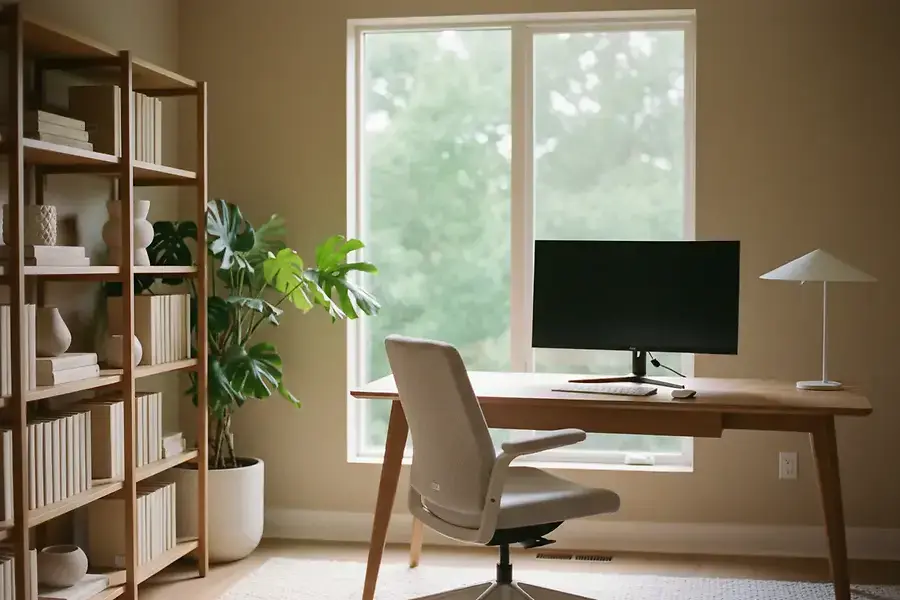
Once you've chosen your location, strategic layout planning is essential. Position your desk to face the door or a window to maintain awareness of your surroundings while minimizing distractions. Keep frequently used items within arm's reach to reduce unnecessary movement and maintain focus.
Create distinct zones within your office:
- Work Zone: Your desk and primary workspace
- Storage Zone: Shelving and filing systems for organization
- Break Zone: A comfortable chair or small seating area for mental breaks
Essential Furniture, Technology, and Ergonomic Considerations
Investing in Quality Furniture
Your furniture choices directly impact your comfort and productivity. A quality ergonomic chair is non-negotiable—it supports proper posture and prevents back pain during long work sessions. Look for chairs with adjustable height, lumbar support, and armrests.
Your desk should be spacious enough for your monitor, keyboard, and necessary documents. Consider a standing desk or adjustable desk that allows you to alternate between sitting and standing throughout the day. This promotes better circulation and reduces the health risks associated with prolonged sitting.
Technology Setup for Success
Reliable technology is crucial for remote work efficiency:
- Monitor: Use a separate monitor positioned at eye level to reduce neck strain
- Keyboard and Mouse: Invest in ergonomic peripherals to prevent wrist and hand fatigue
- Lighting: Add a desk lamp with adjustable brightness to supplement natural light
- Internet Connection: Ensure a stable, high-speed connection for seamless video calls and file transfers
- Headset: A quality headset improves audio quality during meetings and calls
Creating an Ergonomic Environment
Proper ergonomics prevent long-term health issues and maintain productivity. Follow these guidelines:
Your monitor should be at arm's length away, with the top of the screen at or slightly below eye level. Your feet should rest flat on the floor, and your elbows should be at a 90-degree angle when typing.
Don't overlook the importance of regular breaks and movement. Set reminders to stretch, walk around, and rest your eyes every hour. This simple practice significantly improves focus and prevents burnout.
Personalizing Your Space
While functionality is paramount, don't forget to personalize your office. Add plants to improve air quality and create a calming atmosphere. Include artwork, photos, or motivational quotes that inspire you. A well-designed space that reflects your personality makes working from home more enjoyable and sustainable.
Investing in Your Home's Functionality and Value
Creating a professional home office is an investment in both your productivity and your home's value. A dedicated, well-designed workspace demonstrates to potential buyers that your home accommodates modern work needs. Beyond resale value, you're investing in your own well-being and professional success.
The key to a successful home office is balancing functionality with comfort. Start with the essentials—a good chair, desk, and proper lighting—then gradually add elements that enhance your specific work style. Remember that your office should evolve with your needs.
By thoughtfully designing your home office with attention to location, layout, furniture, and ergonomics, you create an environment where productivity flourishes. Your workspace becomes more than just a place to work; it becomes a sanctuary for professional growth and achievement.


