Developing Vacant Residential Land in Currituck County and the Outer Banks
Transform raw land into your ideal home with expert guidance on vacant property development in North Carolina's Outer Banks region.

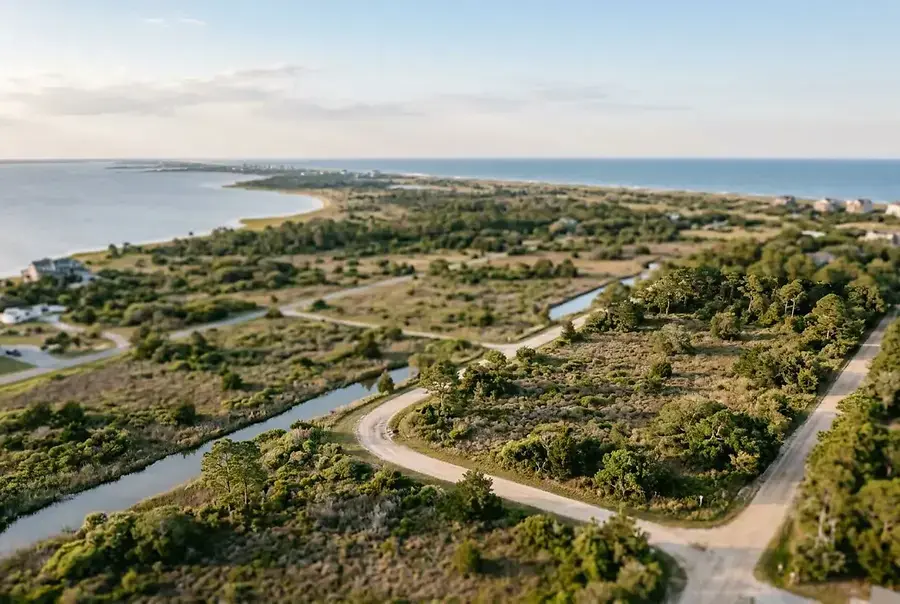
Understanding Land Development Opportunities in Currituck County
Currituck County, nestled along North Carolina's stunning Outer Banks, offers exceptional opportunities for residential land development. This picturesque region combines coastal charm with growing demand for new housing, making it an attractive destination for both investors and homeowners seeking to build their dream properties.
The Outer Banks landscape presents unique development potential, from waterfront properties with breathtaking ocean views to inland parcels offering privacy and natural beauty. Whether you're interested in developing a single-family home or exploring larger residential projects, Currituck County provides diverse options to suit various budgets and visions.
Why Currituck County Stands Out
This region has experienced steady growth in recent years, with increasing interest from those seeking coastal living without the congestion of more developed areas. The combination of natural beauty, recreational opportunities, and a strong sense of community makes Currituck County an ideal location for residential development. Additionally, property values in the area have shown resilience, making it a sound investment for future homeowners.
Key Considerations Before Purchasing Vacant Residential Property
Before committing to a vacant property purchase in Currituck County, thorough research and planning are essential. Taking time to evaluate multiple factors will help ensure your investment aligns with your goals and financial capabilities.
Location and Accessibility
Consider the property's proximity to essential services, schools, shopping, and employment centers. Evaluate road access and whether the location offers convenient connections to major highways. Waterfront or near-waterfront properties may offer premium views but could come with higher costs and additional development challenges.
Soil and Environmental Conditions
Conduct a thorough soil assessment to understand drainage capabilities, stability, and suitability for construction. Environmental factors such as flood zones, wetlands, and wildlife habitats can significantly impact development feasibility and costs. Hiring a professional environmental consultant can provide valuable insights into potential challenges and solutions.
Utility Availability
Verify the availability of essential utilities including:
- Water and sewer systems
- Electrical service
- Natural gas connections
- Internet and telecommunications infrastructure
Properties requiring new utility connections may face substantial additional expenses that should be factored into your budget.
Budget and Financial Planning
Develop a comprehensive budget that includes:
- Land purchase price
- Site preparation and clearing costs
- Permit and inspection fees
- Utility connection expenses
- Construction costs
- Contingency reserves for unexpected expenses
Pro tip: Always include a 15-20% contingency buffer in your budget to account for unforeseen challenges that commonly arise during development.
Navigating Permits, Zoning, and Building Requirements
Understanding the regulatory landscape is crucial for successful land development in Currituck County. The permitting process can be complex, but proper preparation streamlines the journey from raw land to finished home.
Zoning and Land Use Regulations
Currituck County has specific zoning classifications that determine how land can be used. Before purchasing, verify that your intended use aligns with the property's zoning designation. Zoning restrictions may limit residential density, require minimum lot sizes, or impose setback requirements from property lines and water bodies.
If your vision doesn't match current zoning, you may pursue a variance or rezoning request, though this process requires time, expense, and approval from local authorities.
Required Permits and Approvals
Typical permits needed for residential development include:
- Building Permits: Required before construction begins
- Grading and Erosion Control Permits: Necessary for site preparation
- Septic System Permits: If not connected to municipal sewer
- Wetland Permits: If development affects protected wetlands
- Coastal Area Management Act (CAMA) Permits: Required for properties in coastal areas
- Utility Connection Permits: For water, sewer, and electrical hookups
Working with Local Authorities
Establish early communication with Currituck County Planning and Zoning Department. These professionals can clarify requirements, explain timelines, and help identify potential obstacles before they become costly problems. Building positive relationships with local officials often facilitates smoother approval processes.
Working with Builders and Contractors to Bring Your Vision to Life
Selecting the right builder or contractor is one of the most important decisions in your development journey. This partnership will directly impact your project's success, timeline, and final quality.
Finding Qualified Professionals
Seek builders and contractors with proven experience in Currituck County and the Outer Banks. Local expertise is invaluable, as experienced professionals understand regional building challenges, weather considerations, and regulatory requirements. Request references from previous clients and verify licenses and insurance credentials.
Evaluating Proposals and Contracts
Obtain detailed proposals from multiple contractors that clearly outline:
- Scope of work and specific deliverables
- Project timeline and milestone dates
- Detailed cost breakdown
- Payment schedule
- Warranty provisions
- Change order procedures
Never select a contractor based solely on the lowest bid. Instead, balance cost with experience, reputation, and communication style. A slightly higher investment in a reputable contractor often results in better outcomes and fewer problems.
Project Management and Communication
Establish clear communication protocols with your builder. Regular progress meetings, documented decisions, and transparent discussions about challenges help keep projects on track. Effective communication prevents misunderstandings and ensures your vision is properly executed.
Quality Assurance and Inspections
Schedule regular inspections throughout the construction process. These inspections verify that work meets building codes and your specifications. Don't wait until project completion to address issues—catching problems early is more cost-effective and less disruptive.
Developing vacant land in Currituck County requires patience, planning, and partnership with experienced professionals. By understanding opportunities, conducting thorough due diligence, navigating regulatory requirements, and selecting qualified builders, you can transform raw land into the coastal home of your dreams.
The journey from vacant property to finished home is rewarding when approached strategically. With proper guidance and expert support, your Currituck County development project can become a successful investment and a cherished family home for years to come.