DFW Real Estate Investment: Comparing Appreciation Potential Across 15 Communities
Discover which Dallas-Fort Worth neighborhoods offer the strongest long-term value growth for residential investors and homebuyers.

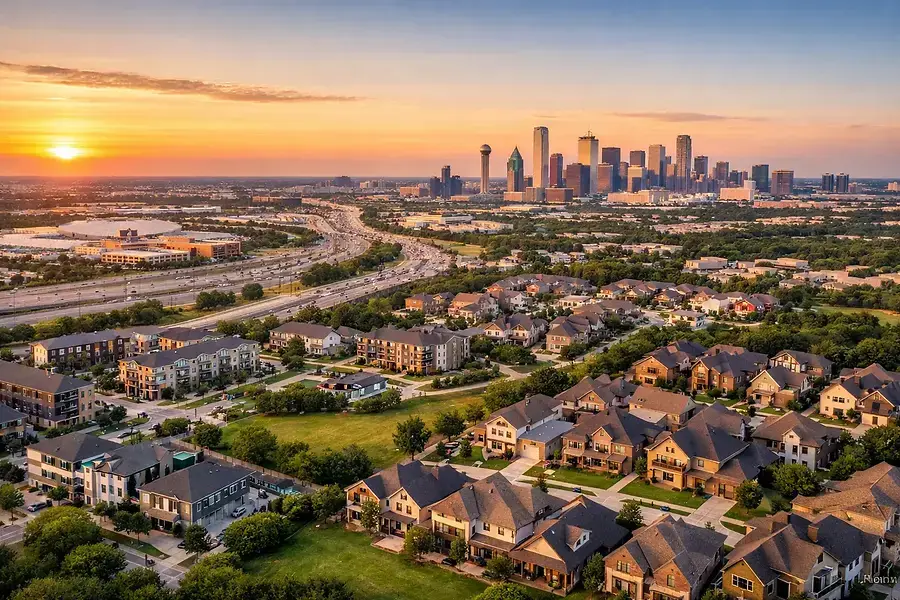
Introduction: Understanding DFW's Residential Real Estate Market Dynamics
The Dallas-Fort Worth metropolitan area has emerged as one of the nation's most dynamic real estate markets, attracting investors and homebuyers seeking strong appreciation potential and long-term value growth. With a population that continues to expand at a rapid pace, the DFW region offers diverse neighborhoods catering to various investment profiles and lifestyle preferences.
Understanding the nuances of this expansive market is crucial for making informed investment decisions. The DFW area encompasses multiple growth corridors, each with distinct characteristics that influence property values and investment returns. From established neighborhoods with steady appreciation to emerging communities on the cusp of significant development, the region presents numerous opportunities for savvy investors.
Market Analysis: Appreciation Trends and Investment Potential by Community
North Dallas Communities: Plano and Frisco
Plano and Frisco represent some of the strongest performers in the DFW market. These communities benefit from robust corporate relocations, excellent school districts, and continuous infrastructure development. Properties in these areas have consistently demonstrated double-digit appreciation over recent years, making them attractive for investors seeking stability and growth.
West Fort Worth: Emerging Growth Corridors
West Fort Worth neighborhoods are experiencing rapid transformation with new commercial developments and residential projects. These areas offer more affordable entry points compared to established northern suburbs, while still providing solid appreciation potential as infrastructure improves and amenities expand.
East Dallas: Urban Revitalization Opportunities
East Dallas neighborhoods are undergoing significant revitalization, attracting younger demographics and young professionals. The combination of walkable communities, proximity to downtown employment centers, and ongoing renovation projects creates compelling investment opportunities for those seeking urban lifestyle benefits with appreciation potential.
Arlington and Mid-Cities Region
The Arlington and mid-cities area benefits from its central location between Dallas and Fort Worth, major employment centers, and entertainment venues. These communities offer balanced appreciation potential with strong rental demand, making them ideal for investors focused on both capital appreciation and cash flow.
Suburban Expansion Areas: McKinney and Denton
McKinney and Denton represent the northern frontier of DFW expansion. These communities are experiencing explosive growth driven by new residential developments, corporate relocations, and infrastructure improvements. Early investors in these areas can capitalize on significant appreciation as they transition from suburban to more established communities.
Key Factors Influencing Home Values: Growth Corridors, Infrastructure, and Development
Transportation Infrastructure and Connectivity
Access to major highways, public transportation, and future transit projects significantly impacts property values. Communities with planned infrastructure improvements often see appreciation acceleration as projects near completion. Investors should monitor transportation master plans and development timelines when evaluating neighborhoods.
Employment Centers and Corporate Relocations
The presence of major employers and corporate headquarters drives demand for residential properties. DFW's appeal to Fortune 500 companies and tech firms creates sustained demand for housing across multiple price points. Communities near major employment centers typically command premium valuations and demonstrate stronger appreciation trends.
School District Quality and Family Appeal
Top-rated school districts remain a primary driver of residential property values. Families prioritize education quality, and homes in excellent school districts consistently appreciate faster than those in lower-rated districts. Investors targeting family-oriented communities should prioritize areas with strong academic performance records.
Retail and Amenity Development
The presence of shopping centers, restaurants, entertainment venues, and recreational facilities enhances neighborhood desirability. Communities experiencing retail expansion and new amenity development typically see corresponding increases in property values. Mixed-use developments that combine residential, retail, and office space create vibrant communities that attract premium pricing.
Population Growth and Demographic Trends
DFW's consistent population growth outpaces most major metropolitan areas, creating sustained housing demand. Communities attracting younger professionals, families, and retirees benefit from diverse buyer pools and multiple appreciation drivers. Understanding demographic trends helps investors identify neighborhoods positioned for long-term growth.
Development Pipeline and Future Growth
Communities with active development pipelines and master-planned communities offer significant appreciation potential. Investors should research zoning changes, approved developments, and infrastructure projects to identify neighborhoods on the cusp of transformation. Early entry into emerging areas can yield substantial returns as communities mature.
Conclusion: Strategic Insights for Making Your Next Residential Investment Decision
The DFW real estate market offers exceptional opportunities for investors willing to conduct thorough market analysis and identify neighborhoods aligned with their investment objectives. Success requires understanding the interplay between infrastructure development, employment growth, demographic trends, and community amenities.
Key takeaways for DFW real estate investors:
- Diversify across communities: Consider investments across multiple neighborhoods to balance risk and capture appreciation across different market segments.
- Monitor infrastructure projects: Track transportation and development timelines to identify neighborhoods positioned for acceleration.
- Evaluate employment proximity: Properties near major employment centers and corporate headquarters typically appreciate faster.
- Assess demographic trends: Understand which neighborhoods attract your target buyer demographic for stronger rental demand and resale potential.
- Research school districts: Family-oriented neighborhoods with excellent schools consistently outperform in appreciation.
- Consider development stage: Balance established communities with steady appreciation against emerging areas with higher growth potential.
The DFW region's continued economic growth, population expansion, and infrastructure development create a favorable environment for residential real estate investment. By analyzing appreciation trends, understanding key value drivers, and identifying communities aligned with your investment strategy, you can position yourself to capture significant long-term value growth in this dynamic market.
Whether you're seeking stable, predictable appreciation in established communities or higher-growth potential in emerging neighborhoods, the DFW market offers compelling opportunities for informed investors ready to make strategic decisions.