DFW Suburban Home Prices: Market Trends Across 20+ Communities
Compare current real estate values and investment potential in Dallas, Fort Worth, Arlington, and surrounding neighborhoods to make an informed buying decision.

Introduction: Understanding the DFW Real Estate Landscape
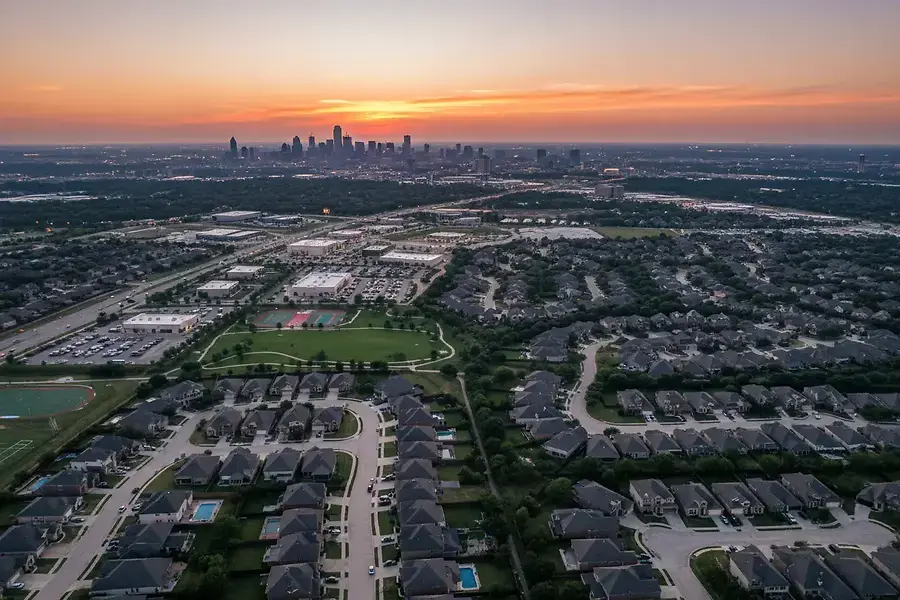
The Dallas-Fort Worth metroplex has become one of the most dynamic real estate markets in the United States. With a population that continues to grow and a diverse range of neighborhoods, the DFW area offers something for every buyer—from first-time homeowners to seasoned investors. Understanding the current market trends across the region's 20+ communities is essential for making an informed purchasing decision.
The DFW real estate market is characterized by its diversity. You'll find everything from affordable suburban communities perfect for budget-conscious buyers to premium neighborhoods that cater to luxury homeowners. This comprehensive guide will help you navigate the market and identify the neighborhoods that align with your financial goals and lifestyle preferences.
Price Ranges by Community: From Affordable Dallas Suburbs to Premium Neighborhoods
Affordable Communities Under $350,000
For buyers seeking value, several DFW suburbs offer excellent opportunities at competitive prices. Communities like Mansfield, Midlothian, and Burleson continue to attract first-time homebuyers with median home prices ranging from $280,000 to $340,000. These areas provide:
- New construction options with modern amenities
- Family-friendly neighborhoods with good schools
- Growing commercial development and job opportunities
- Lower property taxes compared to premium areas
Mid-Range Communities: $350,000 to $550,000
Arlington, Frisco, and Lewisville represent the heart of the mid-range market. These established communities offer a perfect balance between affordability and amenities, with median prices between $380,000 and $520,000. These neighborhoods are known for:
- Excellent school districts and educational facilities
- Robust entertainment and dining options
- Strong job markets with major corporate headquarters
- Well-developed infrastructure and public services
Premium Neighborhoods: $550,000 and Above
For luxury homebuyers, communities like Highland Park, University Park, and Southlake offer premium properties with median prices exceeding $650,000. These exclusive neighborhoods feature:
- Prestigious school systems with top-rated rankings
- Upscale shopping, dining, and cultural venues
- Gated communities and resort-style amenities
- Strong property appreciation and investment potential
Emerging Growth Communities: $400,000 to $600,000
Communities such as Prosper, McKinney, and Celina are experiencing rapid growth and offer excellent investment potential. These areas are attracting young families and professionals with:
- New residential developments and modern infrastructure
- Increasing job opportunities and economic growth
- Competitive pricing with strong appreciation potential
- Vibrant community events and recreational facilities
Market Factors Influencing Home Values Across the Metroplex
Population Growth and Migration Trends
The DFW area continues to attract residents from across the nation. Population growth directly impacts home values, particularly in communities with strong job markets and quality of life amenities. Areas experiencing the highest growth rates typically see the strongest appreciation in home values.
School District Quality
School ratings remain one of the most significant factors influencing home prices in the DFW market. Neighborhoods with highly-rated school districts consistently command premium prices. Families are willing to invest more in areas where they can access top-tier education for their children.
Employment Centers and Commute Times
Proximity to major employment hubs significantly affects property values. Communities near corporate headquarters, tech parks, and business districts experience stronger demand and higher prices. Shorter commute times are increasingly valuable to homebuyers seeking work-life balance.
Infrastructure Development and Amenities
The availability of shopping centers, parks, restaurants, and entertainment venues directly impacts neighborhood desirability. Communities investing in infrastructure improvements and public amenities typically see increased property values and buyer interest.
Interest Rates and Financing Conditions
Market conditions, including mortgage interest rates and lending standards, play a crucial role in determining home affordability and buyer purchasing power across all DFW communities.
When interest rates fluctuate, the effective purchasing power of buyers changes, which can either increase or decrease demand for homes in specific price ranges.
Supply and Demand Dynamics
The balance between available inventory and buyer demand directly influences prices. Communities with limited inventory and high demand typically experience faster appreciation, while areas with abundant inventory may see more stable or modest price growth.
Conclusion: Choosing the Right Neighborhood Based on Your Budget and Goals
The DFW real estate market offers exceptional opportunities for buyers at every price point. Whether you're seeking an affordable starter home in Mansfield, a balanced lifestyle in Arlington, or a luxury property in Southlake, the metroplex has options to match your needs and budget.
When evaluating communities, consider these key factors:
- Your budget: Determine your maximum price range and explore communities within that range
- School quality: Research district ratings if education is a priority
- Commute requirements: Consider proximity to your workplace or preferred employment areas
- Lifestyle preferences: Identify communities that offer the amenities and atmosphere you desire
- Investment potential: Analyze growth trends and appreciation potential for long-term value
The DFW metroplex continues to evolve, with new developments and opportunities emerging regularly. By understanding current market trends and the factors that influence home values, you can make a confident decision that aligns with your financial goals and personal preferences. Take time to explore multiple communities, consult with local real estate professionals, and invest in the neighborhood that feels right for your future.


