Dual-Purpose Properties: Building Wealth with Mixed-Use Real Estate
Discover how residential/commercial hybrid properties are transforming investment opportunities across the Mid-South region.

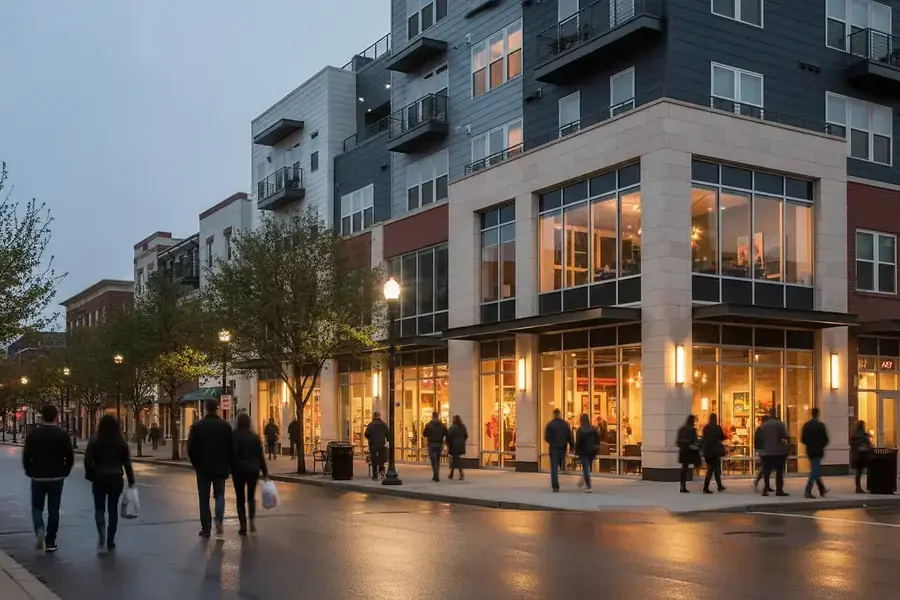
Understanding Mixed-Use Properties and Their Market Advantages
Mixed-use properties represent a dynamic shift in real estate investment strategy. These properties combine residential units with commercial spaces—such as retail shops, offices, or restaurants—under one roof or within a single development. This hybrid approach creates multiple revenue streams and offers investors unprecedented flexibility in building wealth.
The primary advantage of mixed-use properties lies in their diversified income potential. Rather than relying on a single tenant or revenue source, investors benefit from both residential rental income and commercial lease payments. This diversification reduces risk and provides more stable cash flow throughout economic cycles.
Key Market Advantages
- Multiple Revenue Streams: Residential tenants and commercial businesses generate income simultaneously, maximizing property profitability.
- Higher Property Valuations: Mixed-use properties typically command premium prices due to their income-generating potential and market appeal.
- Tenant Retention: The convenience of mixed-use developments encourages longer lease terms and reduces vacancy rates.
- Urban Revitalization: These properties often contribute to neighborhood development, increasing surrounding property values.
- Tax Benefits: Investors can leverage depreciation deductions across multiple property types, optimizing tax efficiency.
The market for mixed-use properties continues to strengthen as both residential and commercial tenants increasingly prefer integrated communities where living and working spaces coexist seamlessly.
Why Investors Are Choosing Residential/Commercial Hybrids in DeSoto, Marshall, Tate, Panola, Shelby, and Fayette Counties
The Mid-South region, particularly DeSoto, Marshall, Tate, Panola, Shelby, and Fayette Counties, presents exceptional opportunities for mixed-use real estate investment. These counties are experiencing significant economic growth, population expansion, and infrastructure development that make them ideal markets for dual-purpose properties.
Regional Growth Drivers
Population Growth and Urbanization: These counties are attracting new residents seeking affordable living with urban conveniences. Mixed-use properties meet this demand by offering walkable communities with integrated services.
Economic Diversification: The region's economy is expanding beyond traditional sectors, creating demand for modern office spaces, retail environments, and residential accommodations. Mixed-use developments position investors to capitalize on this diversification.
Infrastructure Investment: Ongoing improvements to transportation networks and utilities make these counties increasingly accessible and attractive to both businesses and residents, driving property values upward.
Investment Appeal in the Mid-South
- Lower acquisition costs compared to major metropolitan areas
- Strong rental demand from both residential and commercial tenants
- Favorable regulatory environment for mixed-use development
- Growing entrepreneurial ecosystem supporting small business growth
- Increasing property appreciation rates in emerging neighborhoods
Savvy investors recognize that the Mid-South's combination of affordability, growth potential, and market demand creates an ideal environment for mixed-use property investments that generate substantial returns.
Financing, Zoning, and Practical Considerations for Dual-Purpose Investments
While mixed-use properties offer tremendous potential, successful investment requires careful attention to financing, zoning regulations, and operational logistics.
Financing Mixed-Use Properties
Securing financing for mixed-use properties can be more complex than traditional residential or commercial loans. Lenders evaluate these properties based on combined income projections, requiring detailed financial documentation for both residential and commercial components.
- Specialized Loan Products: Many lenders now offer mixed-use specific financing with terms tailored to dual-revenue properties.
- Higher Down Payments: Expect to provide 20-30% down payments, reflecting the specialized nature of these investments.
- Comprehensive Underwriting: Lenders will scrutinize both residential and commercial lease agreements, tenant quality, and market conditions.
- Professional Appraisals: Obtain appraisals from professionals experienced in valuing mixed-use properties.
Zoning and Regulatory Compliance
Before purchasing a mixed-use property, conduct thorough zoning research. Verify that the property's current use complies with local zoning ordinances in your target county. Some jurisdictions have specific requirements for mixed-use developments, including:
- Minimum lot sizes and setback requirements
- Parking ratios for combined residential and commercial uses
- Building code compliance for multi-use structures
- Permitted commercial uses within residential zones
- Environmental and safety regulations
Operational Considerations
Managing mixed-use properties requires specialized expertise. Consider hiring professional property management companies experienced with dual-purpose properties. Key operational challenges include:
- Tenant Coordination: Balancing the needs of residential and commercial tenants to maintain harmony.
- Maintenance and Utilities: Managing shared infrastructure and allocating costs fairly between tenant types.
- Insurance Requirements: Obtaining comprehensive coverage for both residential and commercial operations.
- Liability Management: Addressing potential conflicts between different tenant types and protecting your investment.
Getting Started: Finding and Evaluating Your Next Mixed-Use Investment
Ready to enter the mixed-use real estate market? Follow these strategic steps to identify and evaluate promising investment opportunities.
Market Research and Property Identification
Begin by researching emerging neighborhoods in DeSoto, Marshall, Tate, Panola, Shelby, and Fayette Counties. Look for areas experiencing population growth, business expansion, and infrastructure improvements. Connect with local real estate agents specializing in mixed-use properties who understand market dynamics and can identify off-market opportunities.
Comprehensive Property Evaluation
When evaluating potential mixed-use investments, analyze:
- Income Potential: Review current and projected rental rates for both residential and commercial spaces. Calculate cap rates and cash-on-cash returns.
- Tenant Quality: Assess existing tenants' creditworthiness, lease terms, and renewal likelihood.
- Physical Condition: Conduct thorough inspections identifying necessary repairs and maintenance requirements.
- Market Comparables: Research similar properties to ensure competitive pricing and realistic valuation.
- Growth Trajectory: Evaluate neighborhood trends and long-term appreciation potential.
Financial Analysis and Due Diligence
Perform detailed financial analysis including:
- Operating expense ratios for both property components
- Vacancy rates and tenant turnover history
- Debt service coverage ratios and financing feasibility
- Tax implications and depreciation benefits
- Exit strategies and long-term value appreciation
Partner with experienced accountants and real estate attorneys to ensure all legal and financial aspects are properly addressed before committing capital.
Taking Action
Mixed-use real estate investment represents a sophisticated wealth-building strategy suited for investors seeking diversified income streams and long-term appreciation. The Mid-South region's favorable market conditions, affordable entry points, and strong growth fundamentals make it an ideal location to launch or expand your mixed-use real estate portfolio.
Begin your journey today by researching local markets, connecting with specialized professionals, and identifying properties that align with your investment goals. The dual-purpose properties transforming the Mid-South landscape offer exceptional opportunities for building substantial, sustainable wealth.


