Dual-Purpose Properties: Commercial Real Estate Strategies for Nevada Investors
Discover how residential-commercial hybrid properties across Las Vegas, Henderson, Summerlin, Pahrump, and Honolulu can diversify your investment portfolio and generate multiple income streams.

The Rise of Mixed-Use Real Estate Investing in Nevada and Hawaii
The real estate investment landscape is evolving, and savvy investors are discovering the power of dual-purpose properties. Mixed-use residential-commercial properties represent one of the most dynamic opportunities in today's market, particularly across Nevada and Hawaii. These hybrid investments combine the stability of residential income with the growth potential of commercial ventures, creating a unique portfolio diversification strategy.
Nevada's booming markets—from the glittering corridors of Las Vegas to the suburban growth of Henderson and Summerlin—offer unprecedented opportunities for investors seeking to maximize returns. Meanwhile, Pahrump provides an emerging market with untapped potential, and Honolulu presents a gateway to Hawaii's resilient tourism and residential economy. The convergence of these markets creates an ideal environment for dual-purpose property investments.
Evaluating Residential-Commercial Properties Across Key Markets
Las Vegas: The Premier Mixed-Use Market
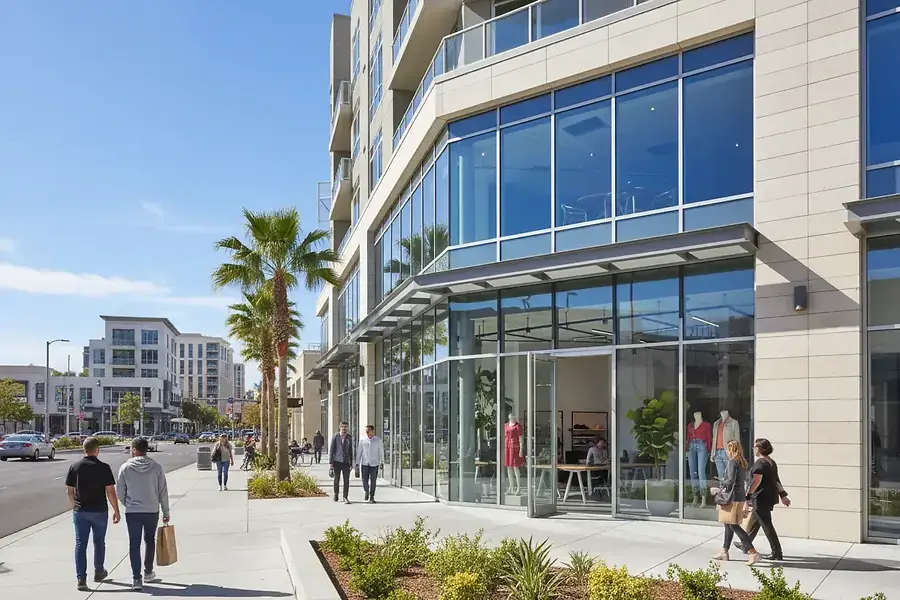
Las Vegas remains the crown jewel for mixed-use real estate. The city's diverse economy—driven by tourism, entertainment, and growing corporate headquarters—creates strong demand for both residential and commercial spaces. Properties that combine ground-floor retail or office space with residential units above generate consistent dual income streams while capitalizing on foot traffic and visibility.
Key considerations for Las Vegas investors:
- Proximity to major entertainment districts and business corridors
- Zoning regulations that support mixed-use development
- Tenant diversity and market stability
- Long-term appreciation potential in revitalized neighborhoods
Henderson and Summerlin: Suburban Growth Opportunities
Henderson and Summerlin represent the suburban evolution of Nevada's real estate market. These areas attract families and young professionals seeking quality of life while maintaining proximity to Las Vegas employment centers. Mixed-use properties in these markets often feature professional offices, medical practices, or small retail spaces paired with residential units—an ideal combination for healthcare professionals, entrepreneurs, and service-based businesses.
The demographic profile of these communities supports higher rental rates and greater tenant retention, making them attractive for long-term investors focused on stability and consistent cash flow.
Pahrump: The Emerging Frontier
Pahrump represents an emerging opportunity for forward-thinking investors. Located approximately 60 miles northwest of Las Vegas, this growing community offers lower acquisition costs while maintaining strong fundamentals. Mixed-use properties here can serve both the local population and visitors exploring the region, creating unique income diversification opportunities.
Honolulu: Island Market Dynamics
Honolulu's real estate market operates under distinct dynamics shaped by limited land availability and strong tourism demand. Dual-purpose properties in Honolulu can leverage both residential rental income and commercial opportunities through short-term vacation rentals, professional offices, or retail spaces. The island's consistent visitor flow and high cost of living support premium pricing for both residential and commercial components.
Financial Benefits and Income Potential of Dual-Purpose Properties
Multiple Revenue Streams
The primary advantage of dual-purpose properties is income diversification. Rather than relying on a single tenant or revenue source, these properties generate income from multiple directions:
- Residential rental income: Stable, long-term tenant relationships with predictable monthly cash flow
- Commercial rental income: Often commanding higher per-square-foot rates than residential space
- Ancillary services: Parking fees, utility reimbursements, and service charges
- Appreciation potential: Mixed-use properties often appreciate faster than single-use properties
Risk Mitigation Through Diversification
When one income stream underperforms, the other provides a financial cushion. If residential occupancy dips, commercial tenants may remain stable, and vice versa. This natural hedging strategy reduces overall portfolio volatility and provides greater financial security during market fluctuations.
Tax Advantages and Depreciation Benefits
Dual-purpose properties offer enhanced tax benefits. Investors can depreciate both residential and commercial components, creating significant deductions that reduce taxable income. Additionally, the commercial portion may qualify for accelerated depreciation schedules, further optimizing tax efficiency.
"Mixed-use properties represent the evolution of real estate investing—they're not just about owning property, they're about creating ecosystems that generate multiple revenue streams while serving diverse community needs."
Operational Efficiency and Economies of Scale
Managing a single property with multiple revenue streams is more efficient than managing multiple separate properties. Maintenance, utilities, insurance, and management costs are consolidated, reducing per-unit expenses and improving overall profitability. This operational efficiency directly impacts your bottom line.
Financing Advantages
Lenders view dual-purpose properties favorably due to their diversified income potential and lower default risk. This often translates to better loan terms, lower interest rates, and more favorable financing conditions compared to single-use properties. The combination of residential and commercial income makes these properties more attractive to institutional investors and lenders.
Positioning Yourself for Long-Term Success in Hybrid Real Estate Markets
Strategic Market Selection
Success in dual-purpose investing begins with selecting the right markets. Consider factors such as population growth, employment diversity, tourism trends, and regulatory environment. Each market—from Las Vegas's entertainment economy to Honolulu's tourism-driven market—requires tailored strategies that align with local dynamics.
Due Diligence and Property Analysis
Thorough evaluation is essential. Analyze both residential and commercial market conditions separately, understanding tenant profiles, lease terms, and income stability for each component. Evaluate zoning compliance, building condition, and renovation potential. Understanding the property's unique value proposition in its specific market is crucial.
Building a Professional Team
Success requires expertise across multiple domains. Assemble a team including:
- Real estate agents specializing in mixed-use properties
- Commercial and residential property managers
- Tax professionals familiar with dual-purpose property benefits
- Commercial lenders experienced with hybrid properties
- Legal counsel knowledgeable in both residential and commercial regulations
Long-Term Vision and Adaptability
The most successful dual-purpose investors maintain a long-term perspective while remaining adaptable to market changes. These properties often appreciate significantly over time, and the compounding effect of multiple income streams creates substantial wealth. However, flexibility in tenant mix, property improvements, and market positioning ensures sustained competitiveness.
Dual-purpose properties represent a sophisticated investment strategy that combines the best elements of residential and commercial real estate. By strategically positioning yourself in key Nevada and Hawaii markets, you can build a resilient, income-generating portfolio that weathers market cycles while capitalizing on growth opportunities. The convergence of stable residential income, commercial growth potential, and tax advantages makes mixed-use properties an increasingly attractive choice for investors seeking to maximize returns and minimize risk.


