Dual-Purpose Properties: Maximizing Returns with Mixed-Use Real Estate
Discover how residential/commercial hybrid properties are transforming investment opportunities across Michigan and Florida markets.

The Rise of Mixed-Use Properties in Today's Real Estate Market
The real estate landscape is undergoing a significant transformation. Mixed-use properties—developments that combine residential and commercial spaces under one roof—are rapidly becoming the preferred choice for savvy investors seeking diversified income streams and reduced risk exposure. This hybrid approach to real estate development addresses modern consumer preferences while offering unprecedented financial advantages to property owners.
The appeal of mixed-use properties extends beyond simple economics. These properties reflect changing lifestyle preferences where residents increasingly desire walkable communities with convenient access to shopping, dining, and entertainment. For investors, this translates into multiple revenue sources, improved property valuations, and greater resilience against market fluctuations.
Understanding Residential/Commercial Properties: Definition, Benefits, and Market Demand
What Are Mixed-Use Properties?
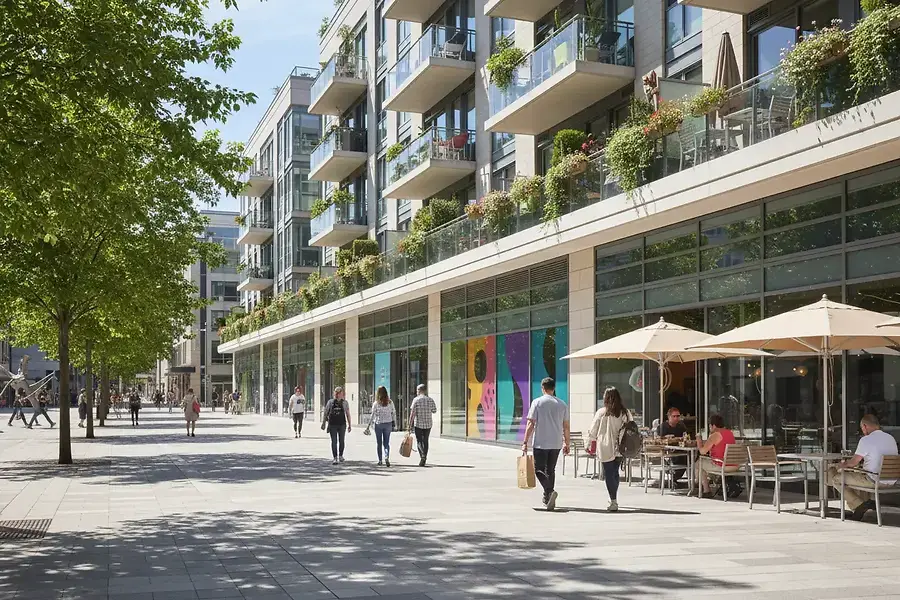
Mixed-use properties integrate residential units with commercial spaces such as retail shops, offices, restaurants, or entertainment venues. A typical example might feature ground-floor retail and dining establishments with residential apartments or condominiums on upper floors. This vertical integration maximizes land utilization and creates vibrant, self-sustaining communities.
Key Benefits for Investors
- Diversified Income Streams: Residential leases and commercial rents provide multiple revenue sources, reducing dependency on a single tenant or market segment.
- Higher Property Values: Mixed-use properties typically command premium valuations due to their versatility and income-generating potential.
- Tenant Stability: The integrated community environment encourages longer lease terms and higher tenant retention rates.
- Tax Advantages: Different property classifications may offer distinct tax benefits and depreciation schedules.
- Market Resilience: When one sector underperforms, complementary revenue sources help maintain overall profitability.
Growing Market Demand
Consumer demand for mixed-use developments continues to surge. Millennials and Gen Z residents particularly favor walkable neighborhoods with integrated amenities. Commercial tenants also recognize the value of locations with built-in residential customer bases, creating a virtuous cycle of demand that benefits property owners.
Regional Investment Opportunities: Why Michigan and Florida Lead the Mixed-Use Trend
Michigan's Emerging Mixed-Use Market
Michigan has emerged as a hotbed for mixed-use development, particularly in urban centers like Detroit, Grand Rapids, and Ann Arbor. The state's revitalization initiatives and relatively affordable land costs compared to coastal markets make it an attractive destination for developers and investors. Downtown Detroit, in particular, has seen remarkable transformation with numerous mixed-use projects attracting both residential and commercial tenants.
Michigan's advantages include:
- Lower acquisition costs compared to major metropolitan areas
- Strong local government support for urban redevelopment
- Growing tech and creative industries driving commercial demand
- Established university communities providing stable tenant bases
Florida's Booming Mixed-Use Sector
Florida represents the nation's fastest-growing mixed-use real estate market. Cities like Miami, Tampa, and Orlando are experiencing explosive growth in residential populations, creating unprecedented demand for integrated commercial and residential spaces. The state's favorable tax environment and year-round appeal to residents and tourists make it exceptionally attractive for mixed-use investments.
Florida's key advantages include:
- Rapid population growth and migration from other states
- Strong tourism industry supporting commercial tenants
- No state income tax, attracting wealthy residents and businesses
- Established infrastructure in major metropolitan areas
- High demand for both short-term and long-term rentals
Comparative Investment Analysis
Michigan offers value and growth potential with lower entry costs, while Florida provides immediate cash flow and appreciation in high-demand markets. The optimal choice depends on your investment timeline and risk tolerance.
Getting Started: How to Identify, Finance, and Successfully Manage Dual-Purpose Properties
Identifying Promising Mixed-Use Opportunities
Successful mixed-use investments begin with thorough market analysis. Look for properties in high-traffic locations with strong demographic fundamentals. Key indicators include:
- Population growth trends and migration patterns
- Commercial vacancy rates and tenant demand
- Zoning regulations supporting mixed-use development
- Proximity to transportation hubs and amenities
- Local economic development initiatives and incentives
Partner with local real estate professionals who understand regional market dynamics and can identify emerging opportunities before they become obvious to the broader investment community.
Financing Mixed-Use Properties
Financing mixed-use properties requires specialized knowledge. Traditional lenders often view these properties differently than single-use real estate. Key financing considerations include:
- Loan Structure: Many lenders offer portfolio loans that treat mixed-use properties as a single asset rather than separating residential and commercial components.
- Debt Service Coverage Ratio: Lenders typically require higher ratios for mixed-use properties, often 1.25x or greater.
- Specialized Lenders: Commercial banks and specialized real estate finance companies often provide better terms than traditional residential lenders.
- Down Payment Requirements: Expect to provide 20-30% down payment, though this varies by lender and market conditions.
Management Best Practices
Successfully managing mixed-use properties requires a different approach than single-use real estate. Consider these essential strategies:
- Separate Management Teams: Employ dedicated professionals for residential and commercial operations, as each requires specialized expertise.
- Integrated Maintenance: Develop comprehensive maintenance schedules that serve both residential and commercial tenants without disruption.
- Community Building: Foster a sense of community through events and programming that benefit all residents and commercial tenants.
- Technology Integration: Implement property management software that handles both residential and commercial lease tracking, rent collection, and maintenance requests.
- Regular Financial Analysis: Monitor performance of each component separately to identify optimization opportunities.
Risk Mitigation Strategies
While mixed-use properties offer significant advantages, they also present unique challenges. Protect your investment by:
- Maintaining adequate reserves for unexpected maintenance or vacancy periods
- Diversifying commercial tenants across multiple industries
- Implementing strict tenant screening and lease enforcement
- Obtaining comprehensive insurance coverage for both residential and commercial operations
- Staying informed about zoning changes and regulatory developments
Conclusion
Mixed-use properties represent one of the most compelling investment opportunities in today's real estate market. By combining residential and commercial components, investors can achieve superior returns, reduce risk through diversification, and participate in the creation of vibrant communities. Whether you're drawn to Michigan's emerging opportunities or Florida's booming markets, the time to explore mixed-use investments is now. Start with thorough research, partner with experienced professionals, and position yourself to capitalize on this transformative trend in real estate.


