Dual-Purpose Properties: Maximizing Returns with Mixed-Use Real Estate
Discover how residential and commercial combinations unlock unprecedented investment potential across Tennessee's fastest-growing markets.

The Rise of Mixed-Use Development in Tennessee
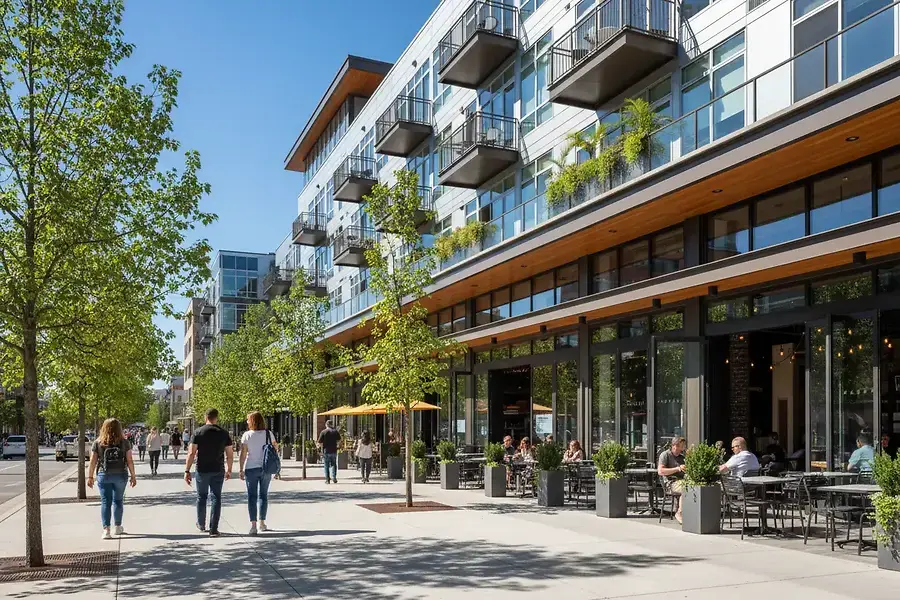
Tennessee's real estate landscape is undergoing a remarkable transformation. Urban developers and savvy investors are increasingly recognizing the value of mixed-use properties—buildings that seamlessly blend residential, commercial, and sometimes retail spaces under one roof. This innovative approach to real estate development is reshaping how communities live, work, and shop.
The state's economic growth, coupled with population migration from larger metropolitan areas, has created unprecedented demand for properties that offer convenience and versatility. Mixed-use developments address this demand by providing residents with walkable neighborhoods where they can live, dine, shop, and conduct business without leaving their community.
Understanding Residential/Commercial Hybrid Properties and Their Advantages
What Are Mixed-Use Properties?
Mixed-use properties combine two or more property types in a single development. Typically, you'll find residential units on upper floors with ground-level retail, offices, or restaurants. This configuration maximizes land utilization and creates vibrant, dynamic spaces that appeal to modern residents and businesses alike.
Key Advantages for Investors
- Diversified Income Streams: Collect rent from both residential tenants and commercial businesses, reducing dependency on a single revenue source
- Higher Occupancy Rates: Mixed-use properties typically maintain stronger occupancy rates due to their appeal and convenience factor
- Increased Property Values: These properties often appreciate faster than single-use developments, driven by their unique market positioning
- Tax Benefits: Different property classifications may offer varied depreciation schedules and tax advantages
- Resilience: Economic downturns affecting one sector may be offset by strength in another, providing portfolio stability
- Community Appeal: Mixed-use developments attract quality tenants seeking lifestyle convenience, leading to longer lease terms and lower turnover
Top Mixed-Use Markets in Franklin, Nashville, Clarksville, and Surrounding Areas
Franklin: The Premium Market
Franklin has emerged as Tennessee's premier mixed-use destination. With its thriving downtown revitalization, this affluent suburb attracts high-income residents and premium commercial tenants. Properties here command premium prices but offer exceptional returns due to strong demand and limited supply.
Nashville: The Urban Powerhouse
Nashville's explosive growth has created multiple mixed-use hotspots. The downtown corridor, East Nashville, and emerging neighborhoods like The Nations offer diverse opportunities. Nashville's cultural appeal and booming music industry create natural synergies between residential and commercial spaces, making mixed-use properties particularly attractive.
Clarksville: The Emerging Opportunity
As Tennessee's fifth-largest city, Clarksville represents an emerging mixed-use market with significant growth potential. Lower entry prices compared to Franklin and Nashville, combined with strong population growth, make this market ideal for investors seeking value and appreciation potential.
Surrounding Areas: Hidden Gems
Communities surrounding major metros—including Brentwood, Murfreesboro, and Gallatin—are experiencing rapid mixed-use development. These areas offer balance between affordability and growth, attracting investors seeking strong returns without premium pricing.
How to Evaluate and Invest in Dual-Purpose Properties: A Buyer's Guide
Assess Market Fundamentals
Before investing, thoroughly research the local market. Analyze population growth trends, employment opportunities, and demographic shifts. Look for areas experiencing population influx and economic diversification—these indicators suggest strong future demand for mixed-use properties.
Evaluate the Property's Condition and Design
Mixed-use properties require careful structural and design evaluation. Ensure the building's layout efficiently separates residential and commercial operations. Check for adequate parking, loading zones, and noise mitigation between spaces. A well-designed property minimizes tenant conflicts and maximizes operational efficiency.
Analyze Financial Performance
Request detailed financial statements covering:
- Current occupancy rates for both residential and commercial spaces
- Rental rates compared to market averages
- Operating expenses and maintenance costs
- Lease terms and tenant stability
- Historical revenue trends
Calculate the cap rate and cash-on-cash return to determine if the property meets your investment criteria. Mixed-use properties typically offer cap rates between 5-8%, depending on location and condition.
Understand Zoning and Regulations
Verify that the property's current use complies with local zoning ordinances. Research any pending zoning changes or development restrictions that could impact future value. Some municipalities have specific requirements for mixed-use developments, including parking ratios, setbacks, and architectural standards.
Consider Management Complexity
Mixed-use properties require sophisticated management. You'll need to coordinate between residential and commercial tenants, manage different lease types, and handle diverse maintenance needs. Factor in professional property management costs—typically 8-12% of gross revenue for mixed-use properties.
Evaluate Growth Potential
Look beyond current performance. Identify opportunities for value-add improvements such as:
- Upgrading residential units to attract premium tenants
- Repositioning commercial space for higher-paying tenants
- Adding amenities like rooftop gardens or fitness centers
- Improving ground-floor retail visibility and accessibility
Conclusion: Positioning Your Portfolio for Long-Term Growth
Mixed-use properties represent a compelling investment opportunity for those seeking to maximize returns while building resilient portfolios. Tennessee's fastest-growing markets—Franklin, Nashville, Clarksville, and surrounding areas—offer diverse opportunities at various price points and risk levels.
The key to success lies in thorough due diligence, careful market selection, and realistic financial analysis. By understanding the unique advantages and complexities of mixed-use properties, you can identify opportunities that align with your investment goals and risk tolerance.
The future of real estate investment belongs to those who recognize that modern communities demand more than single-purpose properties. Mixed-use developments meet this demand while delivering superior returns.
Whether you're an experienced investor or exploring real estate for the first time, Tennessee's mixed-use market offers exceptional potential for long-term wealth creation. Start by identifying markets that match your investment criteria, then systematically evaluate properties using the framework outlined above. Your next investment opportunity may be waiting in Tennessee's thriving mixed-use developments.


