Dual-Purpose Properties: Maximizing Returns with Mixed-Use Real Estate
Discover how commercial-residential hybrid investments are transforming Northeast Florida's real estate landscape.

The Rise of Mixed-Use Properties in Northeast Florida
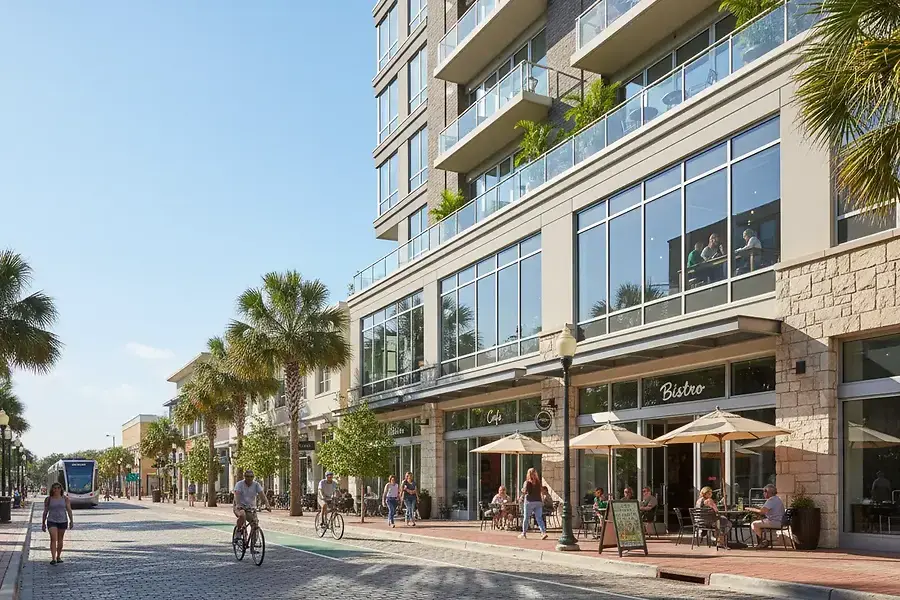
Northeast Florida's real estate market is experiencing a significant transformation. The traditional separation between commercial and residential properties is blurring, creating exciting opportunities for investors seeking higher returns and diversified income streams. Mixed-use properties—developments that combine retail, office, and residential spaces under one roof—are becoming increasingly popular across the region.
This shift reflects broader changes in how people want to live and work. Communities are moving away from sprawling, single-purpose developments toward vibrant, walkable neighborhoods where residents can live, shop, dine, and conduct business without leaving their immediate surroundings. For investors, this trend translates into properties that generate multiple revenue streams and maintain stronger resilience during economic fluctuations.
Understanding Commercial-Residential Hybrids: Benefits and Opportunities
Diversified Income Streams
The primary advantage of mixed-use properties is their ability to generate revenue from multiple sources. A single property might include ground-floor retail spaces, mid-level office suites, and upper-floor residential units. This diversification means that if one sector experiences a downturn, other revenue streams can help offset losses. Investors aren't entirely dependent on a single market segment's performance.
Increased Property Value and Appreciation
Mixed-use properties typically command premium valuations compared to single-purpose developments. The versatility and appeal of these properties attract a broader range of tenants and buyers, driving up property values over time. Additionally, the walkable, vibrant nature of mixed-use developments often leads to stronger neighborhood appreciation as communities become more desirable places to live and work.
Tenant Retention and Stability
Properties that offer convenience and community appeal tend to retain tenants longer. Residents appreciate living in areas where they can access services, entertainment, and employment opportunities nearby. Commercial tenants benefit from foot traffic generated by residential populations. This mutual benefit creates a stable, long-term tenant base that reduces vacancy rates and turnover costs.
Operational Efficiency
Managing a mixed-use property allows for economies of scale. Maintenance, security, utilities, and management services can be consolidated, reducing per-unit operational costs. A single management team can oversee all property functions, streamlining operations and improving profitability.
Resilience and Adaptability
Mixed-use properties are inherently more adaptable to changing market conditions. If residential demand softens, commercial spaces can be emphasized. If office space becomes less desirable, residential units can be expanded or reconfigured. This flexibility provides a significant competitive advantage in an ever-changing real estate landscape.
Market Trends Across Northeast Florida
Jacksonville: Urban Growth and Development
Jacksonville, the region's largest city, is experiencing rapid mixed-use development, particularly in downtown areas and emerging neighborhoods. The city's growing tech sector and expanding population are driving demand for properties that combine office space with residential units. Investors are capitalizing on Jacksonville's revitalization efforts, with several major mixed-use projects transforming underutilized areas into thriving communities.
Saint Augustine: Historic Charm Meets Modern Living
Saint Augustine's unique position as a historic tourist destination creates exceptional opportunities for mixed-use properties. Investors are blending historic preservation with modern amenities, creating properties that attract both tourists and long-term residents. Ground-floor retail and restaurants serve visitors, while upper-level residential units cater to those seeking the charm of historic living with contemporary convenience.
Hastings, Lake City, and Middleburg: Emerging Opportunities
While smaller than Jacksonville and Saint Augustine, these communities are experiencing growth as people seek more affordable alternatives to larger urban centers. Mixed-use properties in these areas offer excellent value propositions, with lower acquisition costs and strong potential for appreciation as these communities develop. Smart investors are recognizing these emerging markets as ground-floor opportunities before prices escalate.
Key Market Drivers
- Population Growth: Northeast Florida continues to attract new residents, increasing demand for diverse housing and commercial options.
- Remote Work Evolution: The shift toward flexible work arrangements has increased demand for properties that blend residential comfort with professional office space.
- Walkability Preferences: Younger demographics and empty-nesters increasingly prefer walkable communities over car-dependent suburbs.
- Economic Diversification: The region's growing tech, healthcare, and tourism sectors are driving commercial space demand.
- Infrastructure Investment: Ongoing improvements to transportation and utilities are making mixed-use developments more feasible and attractive.
Positioning Yourself for Success in Dual-Purpose Real Estate
Research and Due Diligence
Success in mixed-use real estate begins with thorough market research. Understand local zoning laws, demographic trends, and economic drivers in your target area. Analyze comparable properties, tenant demand, and rental rates for both commercial and residential components. The more you know about your market, the better decisions you'll make.
Location Selection
Location remains paramount. Properties in walkable neighborhoods with good public transportation, nearby amenities, and strong employment centers perform better. Look for areas experiencing population growth and infrastructure improvements. In Northeast Florida, this might mean focusing on revitalized downtown areas or emerging neighborhoods with strong growth trajectories.
Financial Planning
Mixed-use properties often require larger initial investments than single-purpose properties. Ensure you have adequate capital and financing options. Consider working with lenders experienced in mixed-use properties, as they understand the unique financial dynamics of these investments. Calculate returns based on realistic occupancy rates for both commercial and residential components.
Professional Partnerships
Partner with professionals who understand mixed-use properties—experienced real estate agents, property managers, architects, and contractors. These experts can help you identify opportunities, manage operations efficiently, and navigate the complexities of mixed-use development.
Long-Term Vision
Mixed-use real estate is a long-term investment strategy. While short-term profits are possible, the greatest returns typically come from holding properties as they appreciate and generate consistent income. Develop a clear investment timeline and strategy aligned with your financial goals.
Conclusion: Positioning Yourself for Success in Dual-Purpose Real Estate
Mixed-use properties represent one of the most exciting opportunities in Northeast Florida's real estate market. By combining commercial and residential components, investors can create properties that generate multiple income streams, appreciate faster, and maintain stronger tenant stability. Whether you're interested in Jacksonville's urban growth, Saint Augustine's historic charm, or the emerging opportunities in smaller communities, mixed-use real estate offers a path to superior returns.
The key to success is understanding your market, selecting the right location, planning carefully, and partnering with experienced professionals. As Northeast Florida continues to grow and evolve, investors who embrace mixed-use properties will be well-positioned to capitalize on this transformative trend. The future of real estate in this region isn't about choosing between commercial or residential—it's about combining both to create something greater than the sum of its parts.


