Dual-Purpose Properties: Maximizing Returns with Mixed-Use Real Estate
Discover how residential-commercial hybrid properties are reshaping investment strategies across the Lowcountry.

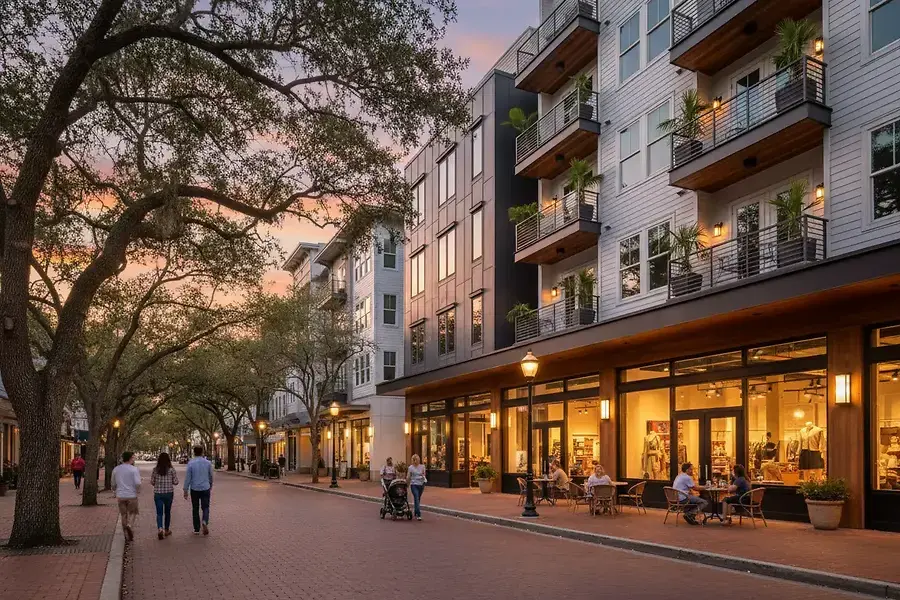
The Rise of Residential-Commercial Properties in South Carolina
The real estate landscape in South Carolina is undergoing a significant transformation. Mixed-use properties—buildings that combine residential units with commercial spaces—are becoming increasingly popular among investors seeking to maximize their returns and diversify their portfolios. This trend reflects a broader shift in how people want to live and work, with more individuals seeking convenience and walkability in their communities.
The Lowcountry region, known for its charm and growing economic opportunities, has become a hotbed for mixed-use development. From Charleston to smaller communities throughout the region, developers and investors are recognizing the immense potential of properties that serve multiple purposes. These hybrid spaces create vibrant neighborhoods where residents can live, work, and shop without leaving their immediate surroundings.
Why Investors Are Choosing Mixed-Use Properties Over Single-Purpose Real Estate
Diversified Income Streams
One of the most compelling reasons investors are turning to mixed-use properties is the ability to generate multiple revenue streams from a single asset. Unlike traditional single-purpose properties, mixed-use developments can earn income from both residential tenants and commercial businesses. This diversification reduces risk and provides more stable cash flow throughout economic cycles.
A property with ground-floor retail or office space and upper-floor apartments, for example, can generate revenue from both sources simultaneously. If one sector experiences a downturn, the other may remain stable, protecting your overall investment.
Increased Property Value and Appreciation
Mixed-use properties typically appreciate faster than single-purpose real estate. The versatility and appeal of these properties make them attractive to a broader range of buyers and tenants. Properties located in walkable, mixed-use neighborhoods command premium prices and experience stronger long-term appreciation potential.
Meeting Modern Lifestyle Demands
Today's residents and business owners increasingly value convenience and community. Mixed-use properties cater to this demand by creating integrated neighborhoods where people can access services, entertainment, and housing in one location. This lifestyle preference translates into higher occupancy rates and stronger tenant retention for property owners.
Tax Benefits and Financing Advantages
Mixed-use properties often qualify for favorable tax treatments and financing options. Many lenders view these properties as lower-risk investments due to their diversified income potential. Additionally, certain mixed-use developments may qualify for tax incentives or historic preservation credits, further enhancing returns.
Best Neighborhoods for Residential-Commercial Investments: From Mount Pleasant to Orangeburg
Mount Pleasant and Greater Charleston Area
The Charleston metropolitan area remains one of the most attractive markets for mixed-use investments. Mount Pleasant has experienced explosive growth, with new mixed-use developments transforming the landscape. The area's strong job market, excellent schools, and vibrant community atmosphere make it ideal for properties combining residential and commercial spaces.
Downtown Charleston itself continues to thrive as a mixed-use destination, with historic buildings being converted into modern residential-commercial hybrids. The area's tourism appeal and strong local economy support both residential demand and commercial tenancy.
Beaufort and Coastal Communities
Beaufort's charming downtown and growing population make it an excellent location for mixed-use investments. The coastal community attracts both residents and tourists, creating strong demand for retail, dining, and accommodation options alongside residential units. Properties in Beaufort's historic district offer unique opportunities to blend preservation with modern mixed-use development.
Emerging Markets: Orangeburg and Inland Communities
While coastal areas dominate headlines, inland communities like Orangeburg present compelling opportunities for forward-thinking investors. These areas offer:
- Lower acquisition costs compared to coastal markets
- Growing populations seeking affordable housing with urban amenities
- Increasing commercial activity and business development
- Strong potential for appreciation as communities develop
Investors who recognize the potential in these emerging markets early can position themselves for significant long-term gains as these communities continue to grow and attract businesses and residents.
Midtown and Suburban Corridors
The areas between major cities are experiencing rapid development. Mixed-use properties along major corridors and in suburban town centers are attracting investment as communities seek to create more walkable, vibrant neighborhoods. These locations offer the advantage of lower costs than downtown areas while still providing strong growth potential.
Building Your Portfolio with Versatile Properties
Creating a successful mixed-use real estate portfolio requires strategic planning and market knowledge. Consider these key factors:
- Location Selection: Choose neighborhoods with strong fundamentals, including population growth, job creation, and community development plans
- Market Research: Understand local demand for both residential and commercial space before investing
- Property Management: Mixed-use properties require experienced management to handle both residential and commercial tenants effectively
- Financing Strategy: Work with lenders experienced in mixed-use properties to secure favorable terms
- Long-Term Vision: Mixed-use investments typically reward patient investors who hold properties through multiple market cycles
Mixed-use properties represent the future of real estate investment in South Carolina. By combining residential and commercial spaces, investors can create thriving communities while maximizing their returns.
The key to success is understanding that mixed-use properties are more than just real estate investments—they're community assets that enhance neighborhoods and create value for residents, businesses, and investors alike. Whether you're exploring opportunities in established markets like Mount Pleasant or identifying emerging potential in communities like Orangeburg, mixed-use properties offer a compelling path to building a diversified, resilient real estate portfolio.
As South Carolina continues to grow and evolve, the demand for thoughtfully designed mixed-use properties will only increase. Investors who recognize this trend and act strategically today will be well-positioned to benefit from the substantial returns these versatile properties can generate.