Dual-Purpose Properties: The Rise of Mixed-Use Real Estate in Greater Milwaukee
Discover how residential-commercial hybrid properties are reshaping investment opportunities across Wisconsin and Illinois suburbs.

Understanding the Mixed-Use Property Boom
The real estate market in Greater Milwaukee is experiencing a significant transformation. Mixed-use properties—developments that combine residential and commercial spaces under one roof—are becoming increasingly popular among investors and developers. This trend reflects a broader shift in how communities want to live, work, and shop.
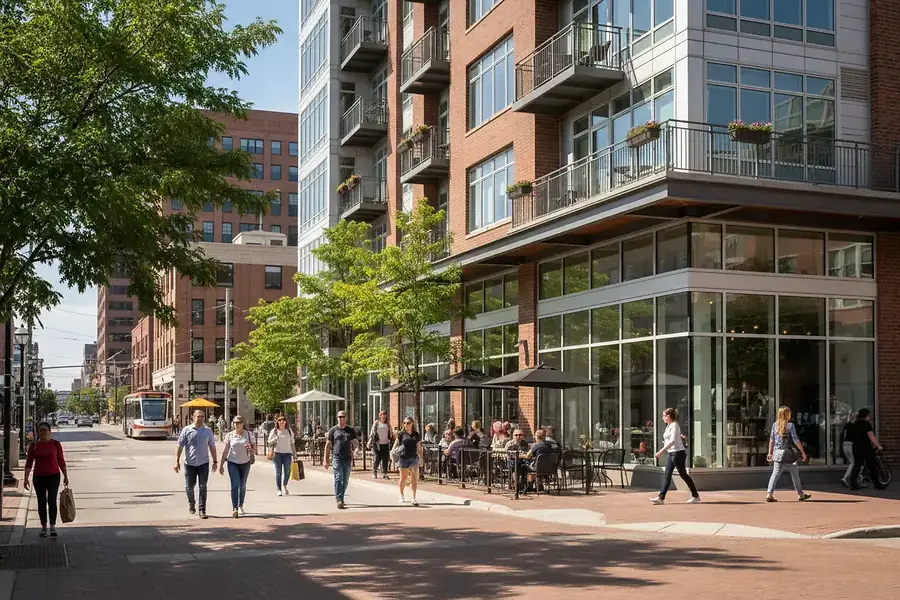
Mixed-use properties offer a unique value proposition. Rather than investing in separate residential or commercial properties, investors can now acquire a single asset that generates revenue from multiple sources. A typical mixed-use property might feature ground-floor retail or office space with residential apartments or condominiums above, creating a vibrant, walkable community.
The appeal extends beyond investors. Residents and business owners are drawn to these developments because they reduce commute times, increase foot traffic for businesses, and create more dynamic neighborhoods. This symbiotic relationship between residential and commercial tenants makes mixed-use properties increasingly attractive in the Wisconsin and Illinois suburbs.
Why Investors Are Choosing Residential-Commercial Properties
Diversified Income Streams
One of the primary reasons investors are gravitating toward mixed-use properties is the diversified income potential. Unlike single-use properties, mixed-use developments generate revenue from both residential leases and commercial tenants. This diversification reduces risk—if residential occupancy dips, commercial revenue may remain stable, and vice versa.
Higher Capitalization Rates
Mixed-use properties often deliver attractive capitalization rates compared to traditional single-use investments. The combination of residential and commercial income streams typically produces higher overall returns, making these properties compelling for value-focused investors.
Urban Revitalization Opportunities
Many mixed-use developments are located in areas undergoing revitalization. Investors who recognize the potential in these emerging neighborhoods can benefit from:
- Property appreciation as neighborhoods develop
- Tax incentives and grants for urban development projects
- Increased demand from residents seeking walkable communities
- Support from local governments eager to boost economic activity
Adaptability and Resilience
The ability to adapt is crucial in today's market. Mixed-use properties offer flexibility. If one commercial tenant leaves, the space can be repurposed for another use. This adaptability makes these properties more resilient to market fluctuations and economic downturns.
Top Markets for Dual-Purpose Real Estate Investments
Downtown Milwaukee
Downtown Milwaukee is experiencing a renaissance. Historic buildings are being converted into mixed-use developments, attracting young professionals and entrepreneurs. The combination of cultural attractions, dining, and entertainment makes downtown an ideal location for mixed-use properties. Investors are capitalizing on this momentum, converting old warehouses and office buildings into trendy lofts with ground-floor retail.
Wauwatosa and West Milwaukee
These suburbs are becoming increasingly attractive for mixed-use development. With strong residential demand and growing commercial activity, Wauwatosa and West Milwaukee offer investors opportunities to develop properties that serve both local residents and businesses. The proximity to Milwaukee's downtown makes these areas particularly appealing.
Shorewood and Whitefish Bay
These affluent suburbs are seeing selective mixed-use development. While maintaining their residential character, these communities are welcoming carefully planned mixed-use projects that enhance local commerce without compromising neighborhood quality. Properties here command premium prices and attract high-quality tenants.
Suburban Illinois Markets
Just across the Wisconsin-Illinois border, suburbs like Evanston and Skokie are experiencing robust mixed-use development. These communities benefit from proximity to Chicago while maintaining their own distinct identities. Investors are finding excellent opportunities in these markets, where demand for mixed-use properties continues to grow.
Emerging Neighborhoods
Beyond established markets, savvy investors are looking at emerging neighborhoods in areas like Bay View, Riverwest, and Cudahy. These communities are attracting younger residents and entrepreneurs, creating demand for mixed-use properties that combine affordable housing with local business space.
Positioning Yourself for Success in the Mixed-Use Market
Conduct Thorough Market Research
Before investing in mixed-use properties, understand the local market dynamics. Research demographic trends, commercial vacancy rates, residential demand, and zoning regulations. Each market has unique characteristics that will influence your investment success.
Partner with Experienced Professionals
Mixed-use development is complex. Work with architects, contractors, property managers, and real estate attorneys who have experience with these projects. Their expertise will help you navigate challenges and maximize returns.
Focus on Location and Accessibility
The success of mixed-use properties depends heavily on location. Prioritize properties in walkable neighborhoods with good public transportation, parking, and visibility. Properties near transit hubs, entertainment districts, or business centers tend to perform better.
Understand Zoning and Regulations
Mixed-use development is subject to local zoning laws and building codes. Before committing capital, ensure that your intended use is permitted and understand any restrictions or requirements. Some municipalities are more receptive to mixed-use development than others.
Plan for Property Management
Managing mixed-use properties requires specialized expertise. You'll need to coordinate between residential and commercial tenants, manage different lease types, and maintain common areas. Consider hiring a property management company experienced in mixed-use developments.
Think Long-Term
Mixed-use properties are typically long-term investments. While they can generate strong returns, they require patience and commitment. Focus on building a quality asset that will appreciate over time rather than seeking quick profits.
Conclusion: Your Next Investment Opportunity
The rise of mixed-use real estate in Greater Milwaukee and surrounding suburbs represents a significant shift in how we invest in and develop communities. These properties offer diversified income, attractive returns, and the opportunity to participate in neighborhood revitalization.
Whether you're an experienced investor looking to diversify your portfolio or a newcomer to real estate investing, mixed-use properties deserve serious consideration. The markets in Wisconsin and Illinois suburbs are ripe with opportunity, and the demand for these properties continues to grow.
By understanding the fundamentals, conducting thorough research, and partnering with experienced professionals, you can position yourself for success in the mixed-use market. The future of real estate in Greater Milwaukee is mixed-use, and the time to invest is now.


