Dual-Use Properties: Mixed Residential-Commercial Investments in Greater Boston
How to identify and invest in residential-commercial hybrid properties across Milton, Weymouth, Cambridge, Somerville, and Boston.

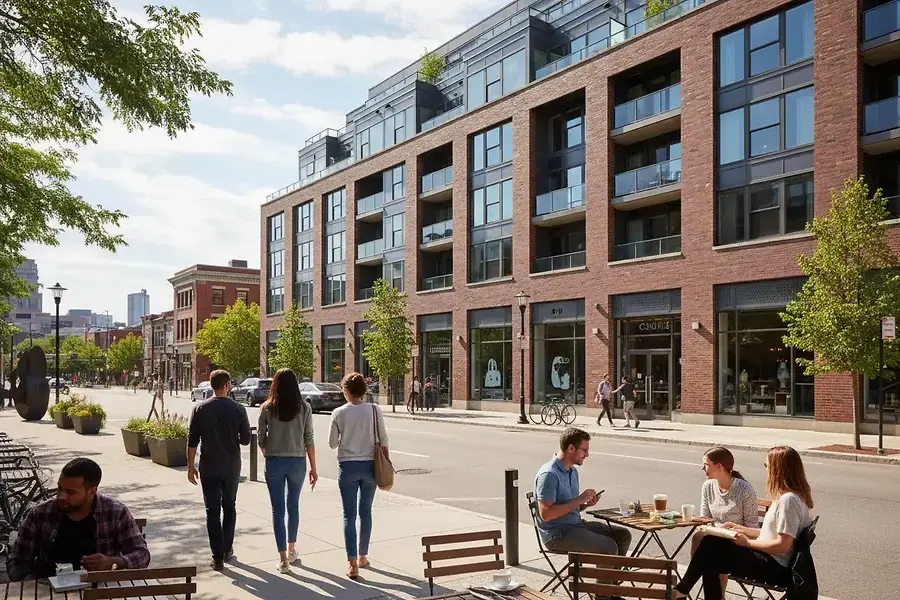
Understanding Dual-Use Property Potential in Metro Boston
The Greater Boston real estate market presents a unique opportunity for savvy investors: dual-use properties that combine residential and commercial spaces. These hybrid investments have become increasingly attractive as urban professionals seek convenient living-working arrangements and businesses look for flexible workspace solutions.
Dual-use properties—buildings that house both residential units and commercial tenants—offer distinct advantages in the Boston metropolitan area. Cities like Cambridge, Somerville, Boston, Milton, and Weymouth have experienced significant demand for mixed-use developments, driven by remote work trends and the desire for walkable, vibrant neighborhoods.
Why Boston's market is ideal for dual-use investments:
- Strong residential demand from young professionals and families
- Thriving commercial sectors including tech, healthcare, and finance
- Limited land availability driving property values upward
- Excellent public transportation connecting residential and commercial hubs
- Growing preference for mixed-use neighborhoods among millennials and Gen Z
The income diversification that dual-use properties provide is particularly appealing. Rather than relying solely on residential or commercial tenants, investors can balance their revenue streams, reducing vacancy risk and increasing overall property stability.
Evaluating Mixed-Use Opportunities: What to Look For
Location and Market Analysis
The first step in identifying promising dual-use properties is conducting thorough market research. Location is paramount—properties near public transportation, employment centers, and retail districts command premium rents and attract quality tenants.
In Cambridge and Somerville, proximity to universities and tech companies creates strong demand for both residential and commercial space. Boston's downtown and waterfront areas attract corporate tenants, while Milton and Weymouth offer more affordable entry points with growing commercial corridors.
Property Characteristics to Evaluate
When assessing potential dual-use properties, examine these critical factors:
- Separate entrances and utilities: Ensure residential and commercial spaces have independent access and metering to simplify management and tenant separation
- Flexible floor plans: Properties that can be easily reconfigured offer greater adaptability as market demands shift
- Parking and loading: Adequate parking for both residential tenants and commercial clients is essential for property success
- Ceiling heights and infrastructure: Commercial spaces require robust electrical, HVAC, and plumbing systems
- Visibility and signage: Ground-floor commercial spaces benefit from street visibility and clear signage opportunities
Tenant Mix and Income Potential
Analyze the current tenant composition and revenue breakdown. Ideal dual-use properties generate 40-60% of income from commercial tenants and 40-60% from residential, creating balanced cash flow. Consider the types of commercial tenants—professional services, retail, and office spaces typically offer more stable, longer-term leases than food service or entertainment venues.
Financing and Zoning Considerations for Hybrid Properties
Navigating Zoning Requirements
Zoning regulations significantly impact dual-use property viability. Boston, Cambridge, Somerville, Milton, and Weymouth each have distinct zoning codes that determine what commercial uses are permitted in residential areas.
Key zoning considerations:
- Verify that mixed-use development is permitted in the property's zoning district
- Check for restrictions on commercial tenant types (some areas prohibit certain businesses)
- Review parking requirements—commercial spaces often require more parking than residential
- Understand setback and building height restrictions that may affect property modifications
- Confirm that separate utilities and entrances are feasible under local codes
Working with a local real estate attorney familiar with each municipality's zoning ordinances is essential. Zoning violations can result in costly fines and forced modifications.
Financing Dual-Use Properties
Financing mixed-use properties can be more complex than traditional residential or commercial mortgages. Lenders view dual-use properties as higher-risk investments due to their hybrid nature, which may result in higher interest rates or stricter lending requirements.
Consider these financing options:
- Commercial mortgages: Often offer longer amortization periods and competitive rates for properties with strong commercial income
- Portfolio loans: Some lenders specialize in mixed-use properties and understand their unique cash flow patterns
- SBA loans: If you're owner-occupying the commercial space, Small Business Administration loans may be available
- Bridge financing: Useful for acquiring properties that need repositioning before stabilization
Prepare comprehensive financial documentation including separate income statements for residential and commercial components, detailed tenant leases, and market analysis supporting your property valuation.
Maximizing Returns: Management Strategies for Residential-Commercial Spaces
Operational Excellence
Successfully managing dual-use properties requires meticulous attention to both residential and commercial tenant needs. Establish clear policies regarding noise, hours of operation, and shared amenities to minimize conflicts between residential and commercial tenants.
Implement separate management systems for each component:
- Maintain distinct accounting for residential and commercial income and expenses
- Schedule maintenance and repairs to minimize disruption to both tenant types
- Establish clear communication channels for each tenant group
- Create comprehensive lease agreements addressing the unique aspects of mixed-use living
Revenue Optimization Strategies
To maximize returns, continuously evaluate your tenant mix and rental rates. Commercial spaces typically generate 20-40% higher per-square-foot income than residential units, making them valuable revenue drivers.
Consider these optimization tactics:
- Regularly benchmark commercial rents against comparable properties in your market
- Target high-quality commercial tenants with strong credit and longer lease terms
- Implement dynamic pricing for residential units based on market conditions
- Invest in property improvements that appeal to both tenant types—upgraded common areas, modern amenities, and enhanced security
- Monitor vacancy rates closely and adjust marketing strategies to maintain occupancy above 95%
Building Long-Term Value
The most successful dual-use property investors focus on long-term appreciation rather than short-term gains. Properties that successfully balance residential and commercial tenants appreciate faster than single-use properties in competitive markets like Greater Boston.
Strategic improvements that enhance property value include modernizing commercial spaces to attract premium tenants, upgrading residential amenities to justify higher rents, and implementing sustainable practices that reduce operating costs and appeal to environmentally conscious tenants.
Risk Management
Diversification is a key advantage of dual-use properties, but risks remain. Maintain adequate reserves for unexpected repairs, vacancy periods, and tenant turnover. Consider obtaining specialized insurance that covers both residential and commercial operations, and ensure your lease agreements clearly define responsibilities for maintenance and repairs.
Dual-use properties in Greater Boston represent a compelling investment opportunity for those willing to navigate their complexity. By carefully evaluating locations, understanding zoning requirements, securing appropriate financing, and implementing sound management practices, investors can build profitable, resilient real estate portfolios that thrive in Boston's dynamic market.


