Dual-Use Properties: Smart Investments for Mixed-Use Markets
Discover how residential and commercial hybrid properties are transforming real estate portfolios in the Denver metro area.

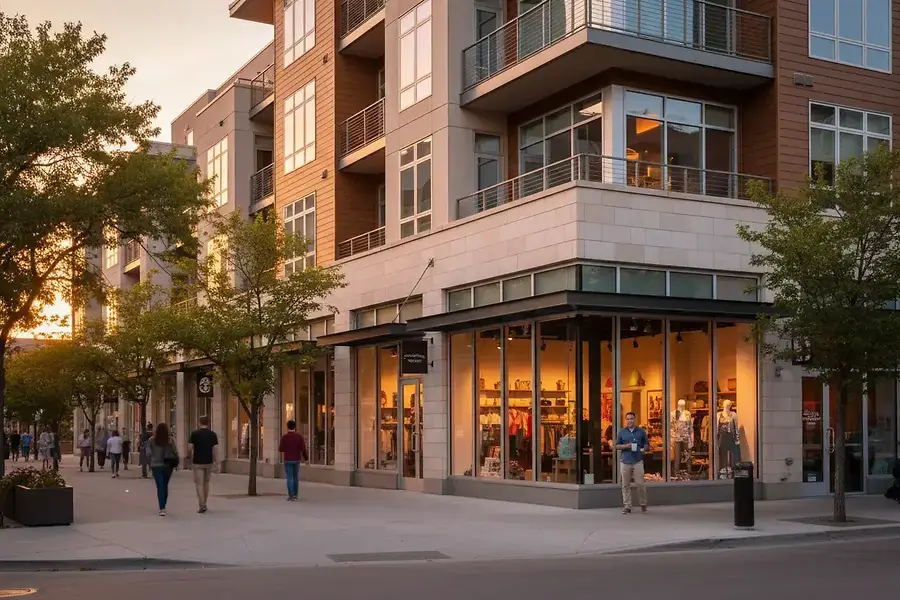
The Rise of Residential/Commercial Properties in Denver's Suburbs
The real estate landscape in the Denver metropolitan area is undergoing a significant transformation. Gone are the days when investors had to choose between residential or commercial properties—today's market is embracing dual-use properties that seamlessly blend both sectors. These hybrid properties represent one of the most dynamic investment opportunities available to forward-thinking real estate professionals.
Denver's suburbs have become particularly attractive for dual-use development. As urban centers become increasingly crowded and expensive, suburban communities are evolving into vibrant mixed-use destinations. Properties that combine residential units with ground-floor retail, office space, or service-oriented businesses are becoming the norm rather than the exception. This shift reflects broader demographic trends and changing consumer preferences for walkable, integrated communities.
The appeal is clear: why settle for a single revenue stream when you can diversify within a single property? Investors are recognizing that dual-use properties offer resilience, flexibility, and multiple pathways to profitability.
Investment Benefits and Market Opportunities in High-Growth Areas
Revenue Diversification and Stability
One of the most compelling advantages of dual-use properties is the ability to generate income from multiple sources simultaneously. A property featuring residential apartments above a retail storefront or professional office creates distinct revenue streams that can offset market fluctuations in either sector.
- Residential income provides stable, long-term cash flow from tenant leases
- Commercial income often commands premium rates and attracts creditworthy tenants
- Diversification reduces risk if one market segment experiences a downturn
Increased Property Value and Appreciation
Dual-use properties typically appreciate faster than single-use alternatives in high-growth suburban markets. The versatility and income-generating potential make these properties more attractive to a broader range of buyers, which naturally drives up valuations. Additionally, properties in mixed-use developments often benefit from infrastructure improvements and community investments that enhance overall neighborhood desirability.
Tax Advantages and Operational Efficiency
Investors can leverage depreciation benefits across both residential and commercial components. Furthermore, managing a single property with multiple uses often proves more efficient than maintaining separate buildings, reducing overhead costs and simplifying property management responsibilities.
"Mixed-use properties represent the future of suburban real estate. They meet market demand for integrated communities while providing investors with superior returns and reduced risk exposure."
Meeting Market Demand
Today's consumers increasingly prefer communities where they can live, work, and shop without extensive commuting. Dual-use properties satisfy this demand, making them inherently more marketable and easier to lease or sell. This market alignment translates directly into stronger tenant demand and higher occupancy rates.
Finding and Evaluating Dual-Use Properties in Your Target Market
Identifying Promising Locations
Not all properties are suitable for dual-use conversion or investment. Focus your search on areas with the following characteristics:
- Strong population growth and demographic trends favoring mixed-use communities
- Proximity to employment centers, transit corridors, or major highways
- Zoning regulations that permit or encourage mixed-use development
- Active local economic development initiatives and infrastructure improvements
- Established or emerging retail and service sectors
Conducting Thorough Due Diligence
When evaluating a potential dual-use property, go beyond standard real estate analysis. You'll need to assess both residential and commercial viability simultaneously:
- Market analysis for both residential and commercial segments in the area
- Zoning verification to confirm mixed-use permissions and any restrictions
- Tenant mix evaluation to understand current income sources and stability
- Physical inspection of both residential and commercial components
- Financial review of historical performance across all revenue streams
- Future development plans that might impact property value or operations
Understanding Financial Metrics
Dual-use properties require more sophisticated financial analysis than single-use investments. Calculate your returns based on combined revenue streams, and pay special attention to:
- Cap rates for each component separately and combined
- Debt service coverage ratios accounting for all income sources
- Expense ratios for residential versus commercial operations
- Vacancy rates and lease renewal trends for both segments
Working with Specialized Professionals
Successfully investing in dual-use properties often requires expertise beyond traditional real estate knowledge. Consider partnering with professionals who understand both residential and commercial markets, including specialized appraisers, accountants familiar with mixed-use properties, and attorneys experienced in complex real estate transactions.
Positioning Yourself for Success in Mixed-Use Real Estate
The Denver metro area's continued growth and suburban development create an ideal environment for dual-use property investments. As communities evolve and consumer preferences shift toward integrated, walkable neighborhoods, these hybrid properties will only become more valuable.
Success in this market requires a strategic approach: identify high-growth suburban markets, thoroughly evaluate both residential and commercial components, and partner with professionals who understand the unique complexities of mixed-use real estate.
The investors who recognize and act on this opportunity early will position themselves to benefit from both immediate cash flow and long-term appreciation. Dual-use properties aren't just a trend—they represent the future of suburban real estate investment, offering the diversification, stability, and growth potential that sophisticated investors seek.
Whether you're looking to expand your portfolio or make your first real estate investment, dual-use properties in Denver's thriving suburbs deserve serious consideration. The market is ready, the demand is strong, and the opportunities are substantial.


