East Bay Home Price Comparison: Finding Value Across 10 Communities
Discover how property values vary from Alameda to Pittsburg and find where your budget goes furthest.

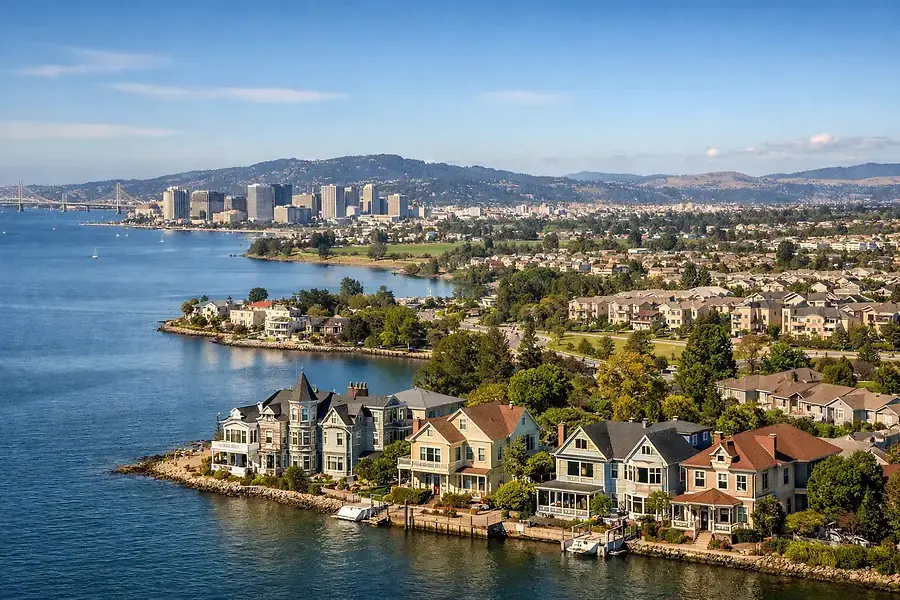
Understanding East Bay's Diverse Real Estate Market
The East Bay region presents one of California's most dynamic and varied real estate markets. From the charming waterfront communities of Alameda to the more affordable inland areas like Pittsburg, the East Bay offers something for every budget and lifestyle. Whether you're a first-time homebuyer, an investor, or someone looking to relocate, understanding the price variations across different communities is essential for making an informed decision.
The East Bay encompasses a wide range of neighborhoods, each with its own unique character, amenities, and price points. Property values can differ dramatically depending on location, proximity to employment centers, school quality, and local amenities. This comprehensive guide will help you navigate the market and find the best value for your investment.
Price Ranges by Community: Understanding the Spectrum
Premium Markets: Alameda and Oakland
Alameda stands out as one of the East Bay's most desirable communities, with median home prices ranging from $1.2 to $1.5 million. This charming island community offers excellent schools, a vibrant downtown, and beautiful Victorian architecture. The strong demand and limited inventory keep prices elevated, but residents enjoy a strong sense of community and excellent quality of life.
Oakland presents a more diverse market, with neighborhoods ranging from $800,000 to $2 million depending on the specific area. Neighborhoods like Piedmont Avenue, Lake Merritt, and the Hills command premium prices due to their proximity to downtown amenities, cultural attractions, and excellent schools. Oakland's renaissance as a cultural hub has driven significant appreciation in recent years.
Mid-Range Communities: San Leandro, Hayward, and Fremont
Moving inland, you'll find more moderate pricing. San Leandro offers homes in the $700,000 to $1.1 million range, providing good value with solid schools and convenient access to major highways. Hayward and Fremont present even more affordable options, with median prices between $600,000 and $900,000, making them attractive for budget-conscious buyers seeking suburban living with urban accessibility.
Value Markets: Antioch, Brentwood, and Pittsburg
For those seeking maximum value, the inland communities offer significant savings. Antioch, Brentwood, and Pittsburg feature median home prices ranging from $400,000 to $650,000. These communities have experienced revitalization efforts and offer newer construction, spacious properties, and growing amenities. While they require longer commutes to major employment centers, the cost savings can be substantial.
Factors Driving Value Differences
Location and Commute Access
Proximity to employment centers significantly impacts property values. Communities closer to San Francisco, Silicon Valley, and major business districts command premium prices. The BART system plays a crucial role in the East Bay market—neighborhoods with direct BART access typically see higher valuations than those requiring car commutes.
- BART-adjacent communities enjoy consistent demand and appreciation
- Highway access to major employment centers affects daily commute times
- Distance from downtown inversely correlates with affordability
School Quality and Education
School ratings remain one of the most significant drivers of home values in the East Bay. Families prioritize neighborhoods with highly-rated schools, which directly impacts demand and pricing. Communities with excellent school districts—such as Alameda, parts of Oakland, and Fremont—maintain higher property values even during market downturns.
Top-performing school districts consistently see stronger appreciation rates and lower inventory turnover, as families are willing to pay premium prices for quality education.
Local Amenities and Community Features
The availability of parks, shopping, dining, and entertainment options significantly influences property values. Waterfront communities like Alameda command premiums for their scenic beauty and recreational opportunities. Urban neighborhoods with vibrant downtown areas attract younger professionals and families seeking walkable communities.
"The best value in the East Bay isn't just about the lowest price—it's about finding the right balance between affordability, amenities, and your lifestyle needs."
Economic Development and Future Growth
Communities experiencing revitalization and new development often present excellent investment opportunities. Areas like Pittsburg and Antioch have invested heavily in downtown improvements, new transit connections, and commercial development. These investments can drive future appreciation and improve quality of life for residents.
Positioning Yourself for Success in Your Ideal East Bay Neighborhood
Finding the right East Bay community requires balancing multiple factors:
- Define your priorities: Determine whether commute time, school quality, or affordability matters most to your family
- Research neighborhoods thoroughly: Visit communities at different times of day to get a genuine feel for the area
- Consider long-term value: Look beyond current prices to identify communities with strong growth potential
- Factor in total costs: Remember that lower purchase prices may come with longer commutes and higher transportation costs
- Work with local experts: Real estate professionals familiar with East Bay neighborhoods can provide invaluable insights
The East Bay's diversity is its greatest strength. Whether you're seeking the charm of Alameda, the cultural vibrancy of Oakland, or the affordability of Pittsburg, the region offers genuine value across multiple price points. By understanding what drives prices in different communities and aligning your choice with your priorities and budget, you can find the perfect East Bay home that offers both financial wisdom and personal satisfaction.
The key to success in the East Bay real estate market is doing your homework, understanding your needs, and recognizing that the best value isn't always the lowest price—it's the home that best fits your lifestyle and financial goals.


