East Bay Home Price Guide: Finding the Best Value in 10 Communities
Discover how neighborhood location impacts property values from Alameda to Antioch and make an informed decision about where to invest.

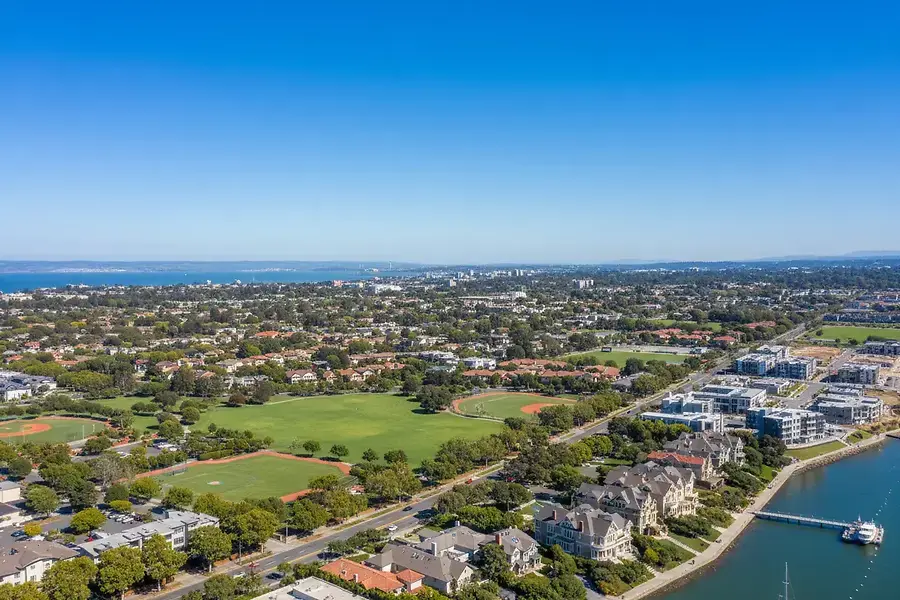
Understanding East Bay's Diverse Real Estate Markets
The East Bay region encompasses a wide range of neighborhoods, each with its own unique character, amenities, and price points. From the waterfront charm of Alameda to the emerging opportunities in Antioch, the real estate landscape offers something for every buyer and investor. Understanding the nuances of these markets is essential for making informed decisions about where to allocate your resources.
The East Bay's diversity extends beyond geography—it reflects different lifestyle preferences, commute patterns, and investment potential. Some communities have established themselves as premium destinations with corresponding price tags, while others present compelling value propositions for those willing to look beyond the most popular neighborhoods.
Price Comparisons: What Your Budget Gets You in Each Community
Premium Neighborhoods
In established communities like Piedmont and Orinda, median home prices reflect their desirability, excellent schools, and scenic locations. A $1.5 million budget in these areas typically secures a well-maintained home with quality finishes and established landscaping. These neighborhoods attract families and professionals seeking stability and prestige.
Mid-Range Markets
Communities such as Walnut Creek, Pleasanton, and Fremont offer strong value propositions. With $800,000 to $1.2 million, buyers can find newer construction, modern amenities, and growing infrastructure. These areas balance affordability with quality of life, making them increasingly popular with young families and remote workers.
Emerging Opportunities
Neighborhoods like Antioch, Pittsburg, and Concord present exciting opportunities for value-conscious investors. Properties in these areas often range from $400,000 to $700,000, offering:
- Larger homes with more square footage
- Growing commercial development and job centers
- Improving public transportation connections
- Potential for significant appreciation
Neighborhood Factors That Drive Property Values
School District Quality
One of the most significant factors influencing home prices across the East Bay is school district performance. Communities with highly-rated schools command premium prices, as families prioritize education quality. Even within the same city, neighborhoods with access to top-performing schools see higher valuations than those with lower-rated schools.
Proximity to Employment Centers
The location of major employment hubs—including tech corridors, medical centers, and corporate offices—directly impacts property values. Communities with shorter commutes to these centers or excellent public transportation access typically see stronger demand and higher prices. The rise of remote work has somewhat diminished this factor, but it remains significant for many buyers.
Walkability and Amenities
Neighborhoods with vibrant downtown areas, shopping districts, parks, and restaurants command premium prices. Walkability has become increasingly important to homebuyers, particularly younger demographics and empty nesters. Communities investing in pedestrian infrastructure and local businesses see corresponding increases in property values.
Infrastructure and Development
Areas experiencing infrastructure improvements—new transit lines, highway expansions, or commercial development—often see property value increases. Smart investors monitor development plans and zoning changes to identify communities on the cusp of growth. However, it's important to distinguish between speculative development and sustainable, community-supported growth.
Safety and Community Character
Crime rates and neighborhood safety significantly influence buyer decisions and property values. Communities with strong neighborhood associations, active civic engagement, and low crime rates maintain higher valuations. The intangible factor of community character—whether a neighborhood feels welcoming, diverse, and vibrant—also plays a crucial role in attracting buyers.
Choosing the Right East Bay Location for Your Investment
Define Your Priorities
Before comparing neighborhoods, clarify what matters most to you:
- Lifestyle: Urban walkability vs. suburban space
- Commute: Distance to work or preferred destinations
- Schools: Quality of local education options
- Investment potential: Appreciation prospects and rental demand
- Budget: Purchase price and long-term affordability
Research Beyond the Numbers
While price comparisons provide a starting point, successful real estate decisions require deeper investigation. Visit neighborhoods at different times of day, speak with current residents, and explore local businesses and parks. Attend community meetings and review local news to understand neighborhood trends and future plans.
Consider Long-Term Value
The cheapest property isn't always the best investment. Communities experiencing positive momentum—new businesses opening, infrastructure improvements, and population growth—often provide better long-term returns than stagnant neighborhoods.
Look for communities where local leaders are investing in improvements and where community members are engaged in shaping the neighborhood's future.
Work with Local Experts
Real estate agents familiar with specific East Bay communities can provide invaluable insights about market trends, neighborhood dynamics, and emerging opportunities. They understand local factors that influence property values and can help you identify neighborhoods aligned with your goals and budget.
Think About Flexibility
Your first East Bay home doesn't have to be your forever home. Many successful investors start in emerging neighborhoods, build equity, and move to their preferred community as their financial situation improves. This strategy allows you to enter the market sooner and benefit from appreciation in up-and-coming areas.
The East Bay's diverse real estate market offers opportunities for buyers and investors at every price point. By understanding the factors that drive property values and carefully evaluating neighborhoods against your priorities, you can find a community that offers both quality of life and solid investment potential. Whether you're drawn to established neighborhoods or emerging communities, the key is making an informed decision based on thorough research and clear personal priorities.


