East Bay Home Values: Market Trends Across 10 Key Communities
Discover how neighborhood-specific factors drive property appreciation in Alameda, Oakland, San Francisco, and surrounding areas.

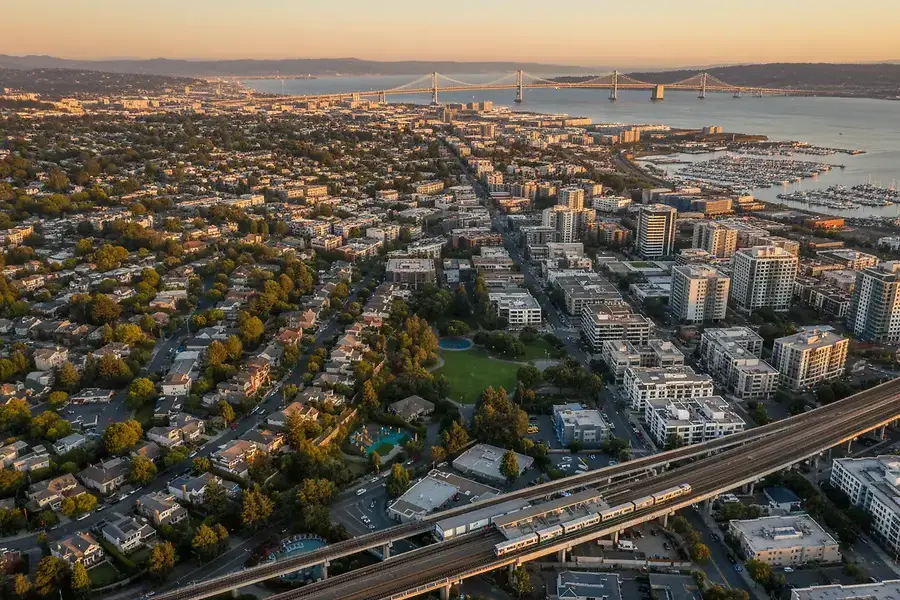
Understanding East Bay Market Dynamics and Community Growth
The East Bay real estate market continues to evolve as a dynamic and competitive landscape, shaped by economic growth, infrastructure development, and demographic shifts. Unlike the broader Bay Area market, the East Bay offers diverse neighborhoods with varying price points, making it an attractive destination for both first-time homebuyers and seasoned investors.
The region's strength lies in its economic diversity and robust job market. Major employers in technology, healthcare, education, and manufacturing provide stable employment opportunities that support sustained housing demand. Additionally, improved public transportation connections and the development of new commercial hubs have made previously overlooked neighborhoods increasingly desirable.
Key Factors Influencing East Bay Growth
- Population migration from San Francisco seeking more affordable options
- Investment in public transit infrastructure and connectivity
- Development of mixed-use communities with retail and residential spaces
- Strong school systems attracting families to specific neighborhoods
- Proximity to major employment centers across the Bay Area
Comparing Home Values Across Alameda, Oakland, San Francisco, and Surrounding Areas
Home values across the East Bay vary significantly based on location, amenities, and market positioning. Understanding these differences is crucial for making informed investment decisions.
Alameda: Charming Island Living
Alameda maintains its appeal as a desirable residential community with stable property values and strong community character. The island's tree-lined streets, Victorian architecture, and waterfront access create a unique lifestyle that commands premium pricing. Homes here typically range from mid-range to upper-tier values, with particular strength in neighborhoods near the waterfront and downtown shopping districts.
Oakland: Emerging Neighborhoods and Urban Revitalization
Oakland has experienced significant transformation, with neighborhoods like Lake Merritt, Piedmont Avenue, and Jack London District seeing substantial appreciation. The city's cultural vibrancy, diverse dining scene, and artistic communities attract younger professionals and families. Property values here show strong growth potential, particularly in areas undergoing revitalization and infrastructure improvements.
San Francisco: Premium Market Positioning
San Francisco remains the Bay Area's premium market, with home values reflecting its status as a global financial and tech hub. While prices are highest here, the city's established neighborhoods offer stability and prestige. Neighborhoods like Mission District, Castro, and Sunset District continue to attract buyers despite higher entry points.
Surrounding Communities: Hidden Gems
Communities like Berkeley, Hayward, Fremont, and Walnut Creek offer compelling alternatives with excellent value propositions. Berkeley attracts academics and professionals with its university presence and intellectual community. Hayward and Fremont provide more affordable options while maintaining good schools and employment opportunities. Walnut Creek appeals to families seeking suburban comfort with urban conveniences.
What Drives Property Appreciation in High-Demand East Bay Neighborhoods
Several interconnected factors determine which neighborhoods experience the strongest property appreciation:
Transportation and Accessibility
Proximity to BART stations, highways, and major employment centers significantly impacts property values. Neighborhoods with excellent public transit access command premium prices as commuting becomes easier and more convenient. Last-mile connectivity improvements continue to enhance desirability across the region.
School Quality and Family Appeal
Top-rated school districts remain a primary driver of home values, particularly in family-oriented neighborhoods. Communities with excellent schools experience consistent demand and stable appreciation. Parents prioritize educational quality, making these neighborhoods resilient during market fluctuations.
Walkability and Neighborhood Amenities
Modern homebuyers increasingly value walkable neighborhoods with local restaurants, shops, parks, and entertainment options. Communities that have invested in streetscaping, public spaces, and mixed-use development attract premium valuations. The shift toward urban living has revitalized downtown areas across the East Bay.
Economic Stability and Job Growth
Neighborhoods near growing employment sectors—particularly technology, healthcare, and green energy—experience stronger appreciation. Companies expanding operations in the East Bay create local job opportunities, attracting workers and supporting housing demand.
Community Character and Lifestyle
Unique neighborhood identities matter significantly. Communities with strong cultural scenes, local businesses, and active civic engagement attract residents willing to pay premium prices. Authentic character and community investment create neighborhoods that appreciate steadily over time.
Market Insight: Neighborhoods combining affordability, good schools, transit access, and strong community character show the most consistent long-term appreciation potential.
Making Informed Decisions: Choosing the Right Community for Your Investment
Selecting the right East Bay neighborhood requires careful analysis of your priorities and investment goals.
Define Your Investment Strategy
Are you seeking long-term appreciation, rental income, or a primary residence? Different neighborhoods serve different investment objectives. Growth-oriented investors might target emerging neighborhoods with strong fundamentals, while income-focused investors prefer established communities with stable rental markets.
Evaluate Your Priorities
- Commute time to work or preferred locations
- School quality and family considerations
- Walkability and lifestyle preferences
- Budget constraints and financing options
- Long-term growth potential and market trends
- Community character and neighborhood vibe
Research Market Fundamentals
Analyze recent sales data, price trends, and inventory levels in your target neighborhoods. Look for communities with balanced supply and demand, reasonable price-to-rent ratios, and positive economic indicators. Compare neighborhoods directly to understand relative value propositions.
Visit and Experience Communities
Spend time in neighborhoods at different times of day and week. Walk the streets, visit local businesses, and talk with residents. This firsthand experience reveals community character and lifestyle fit that data alone cannot capture. Neighborhood feel significantly impacts long-term satisfaction and property appreciation.
Work with Local Experts
Real estate professionals with deep East Bay knowledge provide invaluable insights into neighborhood trends, market conditions, and investment opportunities. They can identify emerging neighborhoods before they gain widespread attention and help you navigate the competitive market strategically.
The East Bay real estate market offers diverse opportunities across multiple neighborhoods and price points. By understanding market dynamics, comparing communities thoughtfully, and aligning your choice with personal priorities and investment goals, you can make informed decisions that build long-term wealth and lifestyle satisfaction. Whether you're drawn to Oakland's urban energy, Alameda's island charm, or the suburban comfort of surrounding communities, the East Bay provides compelling options for today's homebuyers and investors.


