Energy-Efficient Home Features That Reduce Utility Bills and Boost Resale Value
Discover how modern energy upgrades can lower monthly expenses while increasing your home's market appeal and long-term value.

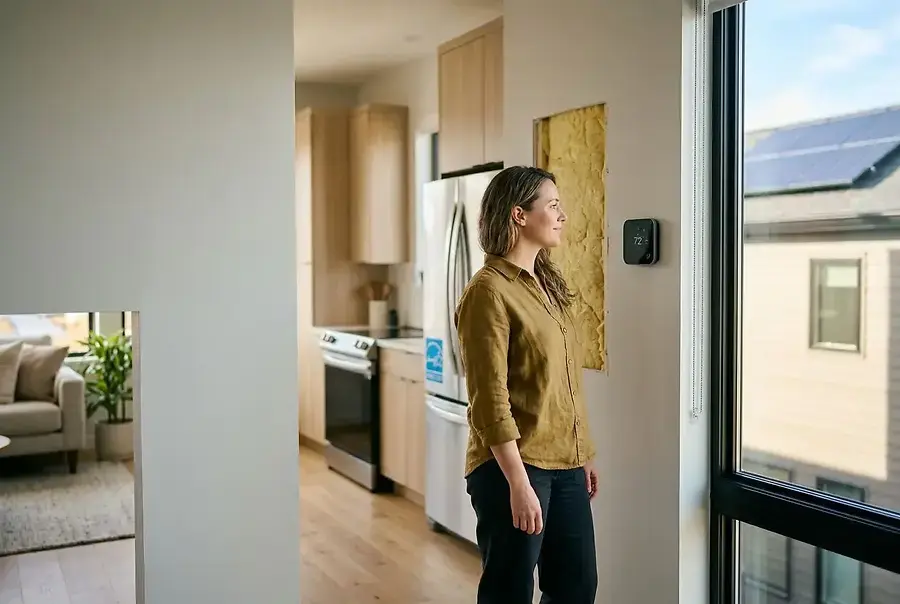
Why Energy Efficiency Matters for Homeowners and Buyers
In today's real estate market, energy efficiency has become more than just an environmental concern—it's a financial necessity. Homeowners are increasingly aware that rising utility costs directly impact their monthly budgets, while potential buyers actively seek properties that promise lower operating expenses. Energy-efficient homes command premium prices and sell faster, making upgrades a smart investment for both immediate savings and long-term wealth building.
The connection between energy efficiency and home value is undeniable. Studies show that homes with modern energy-efficient features can sell for 3-5% more than comparable properties without these upgrades. Beyond resale value, homeowners enjoy immediate benefits through reduced monthly utility bills, improved comfort levels, and a smaller environmental footprint.
Top Energy-Efficient Upgrades: Insulation, Windows, HVAC, and Solar Options
Superior Insulation Systems
Proper insulation is the foundation of any energy-efficient home. Heat loss through walls, attics, and basements accounts for a significant portion of wasted energy. Upgrading to modern insulation materials like spray foam or cellulose can dramatically reduce heating and cooling demands. Focus on these key areas:
- Attic insulation—often the biggest culprit for heat loss
- Wall cavities during renovations
- Basement and crawl space insulation
- Pipe insulation to prevent heat loss
Quality insulation creates a thermal barrier that keeps your home comfortable year-round while reducing strain on your HVAC system.
Energy-Efficient Windows and Doors
Windows are a major source of energy loss in most homes. Double or triple-glazed windows with low-emissivity (Low-E) coatings reflect heat back into your home during winter while blocking solar heat in summer. Modern window technology includes:
- Argon or krypton gas fills between panes
- Thermal breaks in frames to prevent heat transfer
- Weatherstripping and proper installation
- Energy Star certified options
Upgrading doors and windows typically returns 70-80% of the investment at resale, making them one of the most cost-effective upgrades available.
Modern HVAC Systems
Heating and cooling account for nearly half of a home's energy consumption. Replacing an older HVAC system with a high-efficiency model can reduce energy use by 20-40%. Consider these options:
- High-efficiency furnaces and air conditioners (SEER 16+ ratings)
- Heat pump technology for dual heating and cooling
- Smart thermostats that learn your preferences and optimize schedules
- Proper ductwork sealing and maintenance
Smart thermostats alone can save homeowners 10-15% on heating and cooling costs by automatically adjusting temperatures based on occupancy and weather patterns.
Solar Panel Installation
Solar energy represents the ultimate long-term investment in home energy efficiency. Residential solar panels have become increasingly affordable while offering substantial returns. Benefits include:
- Dramatic reduction in monthly electricity bills
- Protection against rising energy rates
- Federal tax credits and state incentives
- Increased home value—homes with solar sell for approximately 4% more
- Battery storage options for energy independence
While the initial investment is significant, most homeowners break even within 6-8 years and enjoy decades of free electricity thereafter.
Financial Benefits: Lower Utility Costs and Available Tax Incentives
Immediate Utility Savings
The most tangible benefit of energy-efficient upgrades is the reduction in monthly utility bills. A comprehensive energy upgrade package can lower bills by 20-50%, depending on your current home's condition and the upgrades implemented. These savings compound over time, providing ongoing financial benefits.
"Energy-efficient homes aren't just better for the environment—they're smarter financial investments that pay dividends for years to come."
Tax Credits and Incentives
Federal and state governments actively encourage energy-efficient home improvements through various incentive programs:
- Federal Tax Credits: Up to $3,200 for qualified energy-efficient improvements
- State Rebates: Many states offer additional rebates for solar, heat pumps, and insulation
- Utility Company Programs: Local utilities often provide rebates for upgrading to efficient appliances and systems
- PACE Financing: Property Assessed Clean Energy programs allow you to finance upgrades through property taxes
These incentives significantly reduce the upfront cost of upgrades, improving return on investment and making energy efficiency accessible to more homeowners.
Long-Term Wealth Building
Energy-efficient upgrades contribute to your home's equity in multiple ways. Beyond the direct increase in resale value, you're building wealth through:
- Reduced monthly expenses that free up cash for other investments
- Protection against future energy price increases
- Improved property marketability and faster sales
- Enhanced home comfort and quality of life
Making Smart Energy Investments for Your Home's Future
Energy efficiency is no longer a luxury—it's a practical investment strategy that benefits your wallet, your home's value, and the environment. The key to success is prioritizing upgrades based on your home's specific needs and your financial situation.
Start by conducting an energy audit to identify your home's biggest energy losses. Many utility companies offer free or subsidized audits that provide a roadmap for improvements. Then, prioritize upgrades that offer the best return on investment and align with available incentives.
Whether you're planning to stay in your home for decades or preparing to sell in the near future, energy-efficient upgrades represent one of the smartest investments you can make. Lower utility bills, increased comfort, enhanced resale value, and environmental responsibility all come together in a single, strategic decision to upgrade your home's energy efficiency.
The future of homeownership is energy-efficient. By taking action today, you're not just reducing your monthly expenses—you're positioning your home as a valuable asset in an increasingly energy-conscious real estate market.


