Energy-Efficient Home Improvements for Residential Properties
Discover cost-saving upgrades that reduce utility bills while increasing your home's market appeal and long-term value.

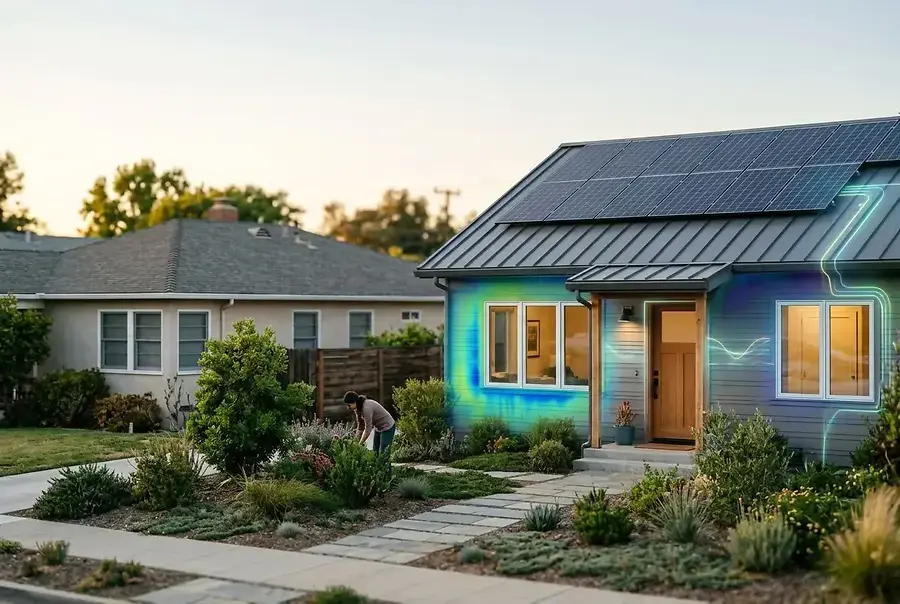
Understanding Energy Efficiency and Its Impact on Home Value
Energy efficiency has become a cornerstone of modern homeownership, transforming the way we think about residential properties. When you invest in energy-efficient upgrades, you're not just reducing your monthly utility bills—you're making a strategic investment in your home's future value and appeal.
Studies consistently show that homes with energy-efficient features command higher prices in the real estate market. Potential buyers recognize the long-term savings and environmental benefits associated with these upgrades, making energy-efficient homes increasingly desirable. Beyond financial considerations, these improvements contribute to a more comfortable living environment, improved indoor air quality, and reduced environmental impact.
The connection between energy efficiency and home value is undeniable:
- Energy-efficient homes typically sell faster than their conventional counterparts
- Buyers are willing to pay premium prices for homes with documented energy savings
- Reduced utility costs translate to lower monthly expenses for future owners
- Environmental consciousness appeals to modern homebuyers
Top Energy-Efficient Upgrades for Residential Homes
Insulation and Air Sealing
One of the most cost-effective improvements you can make is upgrading your home's insulation and sealing air leaks. Proper insulation in attics, walls, and basements prevents heat loss during winter and keeps cool air inside during summer. Air sealing around windows, doors, and other openings eliminates drafts that force your HVAC system to work harder.
HVAC System Upgrades
Modern heating and cooling systems are significantly more efficient than older models. Energy Star certified HVAC systems can reduce energy consumption by up to 20%. Consider upgrading to a high-efficiency furnace, heat pump, or air conditioning unit. Regular maintenance of existing systems also improves efficiency and extends equipment lifespan.
Window and Door Replacements
Windows and doors are major sources of energy loss in homes. Double or triple-pane windows with low-emissivity coatings reflect heat while allowing light to enter. Energy-efficient doors with proper weatherstripping provide both thermal protection and enhanced security. These upgrades improve comfort while reducing heating and cooling demands.
Water Heating Solutions
Water heating accounts for a significant portion of residential energy consumption. Tankless water heaters, heat pump water heaters, and solar water heating systems offer substantial energy savings compared to traditional tank models. These systems heat water on-demand or using renewable energy, dramatically reducing standby energy losses.
Renewable Energy Installation
Solar panel installation has become increasingly affordable and accessible. Solar photovoltaic systems can offset 50-100% of your electricity consumption, depending on your location and system size. Additionally, solar installations often qualify for federal tax credits and state incentives, improving your return on investment.
Smart Home Technology
Programmable thermostats, smart lighting systems, and home energy management platforms allow you to optimize energy consumption. These technologies learn your preferences and automatically adjust settings to minimize waste. Smart devices provide real-time energy monitoring, helping you identify consumption patterns and opportunities for savings.
Calculating ROI: Which Upgrades Offer the Best Returns
Quick Payback Period Upgrades
Some energy-efficient improvements offer faster returns than others. Air sealing and insulation upgrades typically pay for themselves within 3-5 years through utility savings. Programmable thermostats and LED lighting conversions offer even quicker payback periods of 1-2 years, making them excellent starting points for energy-conscious homeowners.
Long-Term Investment Upgrades
While solar panels and HVAC system replacements require larger upfront investments, they deliver substantial long-term returns. Solar installations typically pay for themselves within 7-10 years and continue generating savings for 25+ years. When you factor in increased home value, tax incentives, and utility savings, the overall ROI becomes compelling.
Calculating Your Personal ROI
To determine which upgrades make sense for your home, consider these factors:
- Current energy bills: Higher bills indicate greater savings potential
- Climate and location: Heating-heavy climates benefit most from insulation upgrades
- Available incentives: Federal tax credits, state rebates, and utility programs reduce upfront costs
- Time in home: Longer ownership periods justify larger investments
- Home age and condition: Older homes often see greater efficiency improvements
"Energy-efficient upgrades aren't just about saving money on utilities—they're about investing in your home's future and the planet's sustainability."
Making the Investment Decision: Timeline and Next Steps
Prioritizing Your Upgrades
Start by conducting an energy audit to identify your home's biggest efficiency gaps. Professional auditors use thermal imaging and blower door tests to pinpoint areas where energy is being wasted. This assessment guides your upgrade strategy, helping you prioritize improvements that deliver the greatest impact.
Creating a Phased Approach
You don't need to complete all upgrades simultaneously. A phased approach allows you to spread costs over time while enjoying immediate benefits. Begin with low-cost, high-impact improvements like air sealing and insulation, then progress to larger investments like HVAC replacement or solar installation as your budget allows.
Exploring Financing Options
Several financing mechanisms can make energy upgrades more affordable:
- Federal tax credits for renewable energy and efficiency improvements
- State and local rebate programs
- Energy-efficient mortgages that account for lower utility costs
- Property Assessed Clean Energy (PACE) financing programs
- Home equity loans or lines of credit
Taking Action
Begin your energy-efficiency journey by scheduling a professional energy audit. This investment of a few hundred dollars provides invaluable guidance for your upgrade strategy. Research available incentives in your area, obtain multiple quotes from qualified contractors, and verify credentials and warranties. Document all improvements for future resale value and warranty purposes.
Energy-efficient home improvements represent a win-win investment: you enjoy lower utility bills and increased comfort today, while building equity and market appeal for tomorrow. Whether you're motivated by environmental concerns, financial savings, or home value appreciation, energy efficiency upgrades deliver measurable benefits that extend far beyond your monthly utility statement.


