Energy-Efficient Home Upgrades That Significantly Boost Resale Value
Discover which eco-friendly improvements attract modern buyers and deliver strong returns on your investment.

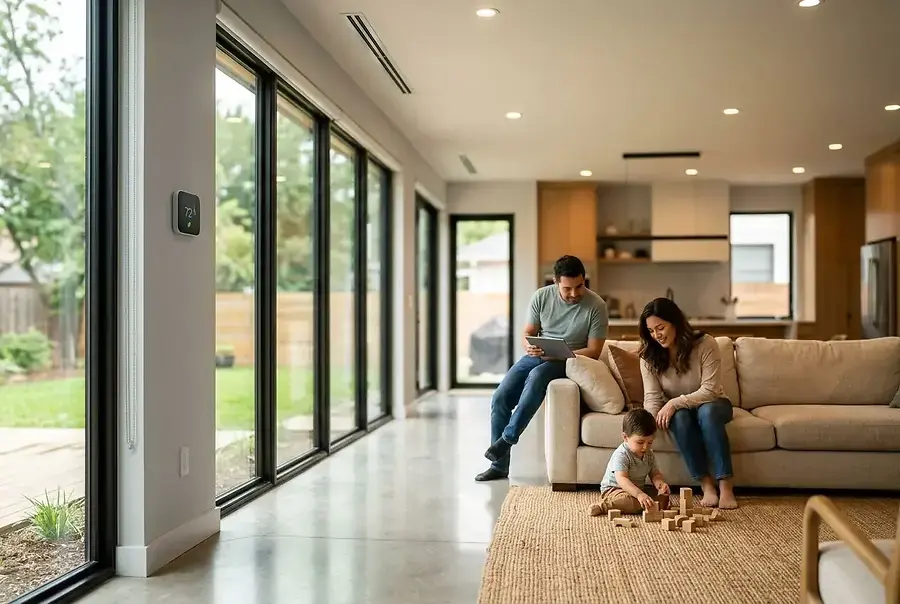
Why Energy Efficiency Matters to Today's Home Buyers
Modern homebuyers are increasingly prioritizing energy efficiency when making purchasing decisions. Rising utility costs and growing environmental awareness have transformed energy-efficient features from nice-to-have amenities into must-have selling points. Homes with superior energy performance command higher prices, spend less time on the market, and attract serious buyers willing to pay premium prices.
The financial incentive is clear: homeowners can reduce their energy bills by 20-30% through strategic upgrades, and buyers recognize this value immediately. Beyond the monthly savings, energy-efficient homes offer improved comfort, better indoor air quality, and reduced environmental impact—factors that resonate strongly with today's conscious consumers.
High-Impact Upgrades: Insulation, HVAC Systems, and Smart Thermostats
Superior Insulation: The Foundation of Energy Efficiency
Proper insulation is the cornerstone of any energy-efficient home. Upgrading attic, wall, and basement insulation prevents heat loss in winter and heat gain in summer, dramatically reducing HVAC workload. This upgrade typically costs between $1,500 and $3,500 but can return 50-70% of the investment at resale.
Key benefits for buyers:
- Consistent indoor temperatures year-round
- Reduced heating and cooling costs
- Enhanced soundproofing
- Protection against moisture and mold
Modern HVAC Systems: Comfort Meets Efficiency
Replacing an aging HVAC system with a high-efficiency model is one of the most impactful upgrades available. Modern systems use 20-40% less energy than units over 10 years old while providing superior climate control. A new HVAC system costs $5,000-$8,000 but recovers 50-80% of its cost at resale.
Buyers specifically seek homes with newer HVAC systems because they eliminate concerns about costly replacements and guarantee reliable performance for years to come.
Smart Thermostats: Intelligence Meets Savings
Smart thermostats represent an affordable yet highly attractive upgrade. These devices learn homeowner preferences and automatically adjust temperatures for maximum efficiency, reducing energy consumption by 10-15%. At $200-$400 installed, they offer exceptional return on investment while appealing to tech-savvy buyers.
Smart thermostat advantages:
- Remote temperature control via smartphone
- Energy usage reports and insights
- Automatic scheduling and learning capabilities
- Integration with other smart home devices
Lower-Cost Improvements: Windows, Weatherstripping, and LED Lighting
Energy-Efficient Windows: Visible Impact
Upgrading to ENERGY STAR certified windows significantly improves home efficiency while enhancing curb appeal. Modern windows feature low-emissivity coatings and insulated frames that reduce heat transfer by up to 30%. While window replacement costs $3,000-$6,000, the visible improvement and energy savings make this a compelling upgrade for buyers.
New windows also improve home aesthetics, reduce outside noise, and decrease condensation—benefits that extend beyond energy savings.
Weatherstripping and Caulking: Quick Wins
Don't overlook simple, affordable improvements. Weatherstripping around doors and windows, along with quality caulking, prevents air leaks that waste energy. These improvements cost just $200-$500 but can reduce heating and cooling costs by 5-10%. Buyers appreciate homes that have been meticulously maintained, and weatherstripping demonstrates attention to detail.
LED Lighting: Bright Returns
Converting to LED lighting throughout the home is an inexpensive upgrade with immediate impact. LEDs use 75% less energy than incandescent bulbs and last 25 times longer. A complete LED conversion costs $300-$800 and appeals to buyers seeking modern, low-maintenance homes.
LED lighting benefits:
- Dramatically lower electricity costs
- Longer lifespan reduces replacement frequency
- Better light quality and color options
- Improved home automation compatibility
Positioning Your Home as an Energy-Smart Investment
To maximize resale value, document all energy-efficient upgrades with receipts and warranty information. Obtain energy audits or ENERGY STAR certifications that provide third-party validation of your home's efficiency. Highlight these improvements in your listing description and during showings.
Pro tip: Calculate and share potential energy savings with prospective buyers. Concrete numbers about monthly utility reductions resonate far more powerfully than vague claims about efficiency.
Energy-efficient homes represent smart investments for both current owners and future buyers. By strategically upgrading insulation, HVAC systems, and smart controls while implementing affordable improvements like LED lighting and weatherstripping, you create a compelling value proposition. Modern buyers recognize that energy-efficient homes deliver long-term savings, enhanced comfort, and environmental responsibility—making your investment a win-win proposition.
The bottom line: Energy-efficient upgrades aren't just good for the planet—they're excellent for your bottom line. Strategic investments in home efficiency attract serious buyers, command premium prices, and deliver returns that extend far beyond the initial investment.