Englewood Home Inspection Essentials: What Every Buyer Should Know
Discover the critical inspection points that protect your investment and prevent costly surprises when purchasing a home in Englewood.

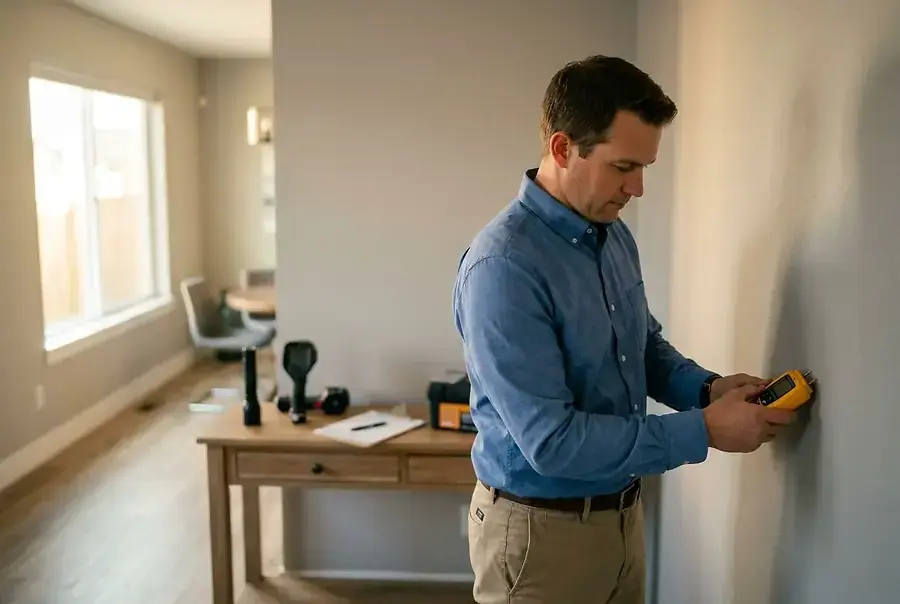
Understanding the Home Inspection Process and Why It Matters
Purchasing a home is one of the most significant financial decisions you'll make in your lifetime. A professional home inspection is your opportunity to uncover potential issues before you commit to the purchase. In Englewood, where homes range from historic properties to modern constructions, a thorough inspection becomes even more critical.
A home inspection typically takes two to four hours and involves a certified inspector examining the property's visible and accessible components. The inspector evaluates everything from the foundation to the roof, testing systems and identifying any areas of concern. This comprehensive evaluation protects your investment and provides you with the information needed to make an informed decision.
Why is this important? Without an inspection, you might discover expensive problems after closing—problems that become your responsibility. A foundation crack, failing HVAC system, or roof damage could cost thousands of dollars to repair. An inspection report gives you leverage to negotiate repairs or credits before finalizing your purchase.
Key Areas Inspectors Evaluate: Structural, Systems, and Safety
Structural Components
The foundation is the backbone of any home. Inspectors look for cracks, settling, water damage, and signs of structural movement. In Englewood, where soil conditions vary, foundation issues are particularly important to assess. Inspectors also examine:
- Walls and framing for signs of damage or deterioration
- Roof condition, including shingles, flashing, and gutters
- Windows and doors for proper operation and sealing
- Exterior siding for rot, gaps, or damage
Home Systems
Your home's systems keep it comfortable and functional. Inspectors test and evaluate:
- HVAC Systems: Heating and cooling efficiency, age, and maintenance needs
- Plumbing: Water pressure, drainage, pipe condition, and water heater functionality
- Electrical: Panel condition, outlet safety, and proper grounding
- Appliances: Functionality of built-in appliances included in the sale
These systems are expensive to replace, so understanding their condition and expected lifespan is crucial for budgeting future maintenance.
Safety and Environmental Concerns
Inspectors also check for safety hazards and environmental issues:
- Presence of asbestos in insulation, flooring, or roofing materials
- Lead-based paint in homes built before 1978
- Mold and moisture problems that could affect air quality
- Carbon monoxide and radon levels
- Proper ventilation and fire safety measures
These concerns may require additional specialized inspections, but identifying them early protects your family's health and safety.
Red Flags and How to Interpret Your Inspection Report
Understanding the Report
Your inspection report will categorize findings into sections, typically using terms like "satisfactory," "minor issues," "major concerns," or "safety hazards." Not every finding requires immediate action, but understanding the severity is essential.
Common Red Flags in Englewood Homes
Major Structural Issues: Foundation cracks wider than 1/4 inch, bowing walls, or evidence of water intrusion indicate serious problems requiring professional evaluation and potentially expensive repairs.
Roof Problems: Missing shingles, significant wear, or a roof nearing the end of its lifespan (typically 20-25 years) means replacement costs could be in your near future.
Plumbing Concerns: Corroded pipes, slow drainage, or water stains suggest potential leaks that could lead to mold and structural damage if left unaddressed.
Electrical Hazards: Outdated wiring, improper grounding, or an overloaded panel creates fire risks and may require costly upgrades to meet current safety codes.
HVAC Age: Systems older than 15-20 years are approaching replacement costs. Factor this into your offer if the system is nearing the end of its life.
Interpreting Findings Wisely
Remember that no home is perfect. Minor wear and tear is normal. Focus on issues that affect safety, structural integrity, or systems that are expensive to replace. Work with your real estate agent to determine which findings warrant further investigation or negotiation.
Next Steps: Using Inspection Results to Negotiate and Make Informed Decisions
Request Additional Inspections
If the general inspection reveals concerns, consider hiring specialists. A structural engineer can assess foundation issues, a roofer can evaluate roof condition, and a plumber can inspect the plumbing system in detail. These targeted inspections provide clarity and strengthen your negotiating position.
Negotiation Strategies
Armed with your inspection report, you have several options:
- Request Repairs: Ask the seller to fix major issues before closing
- Request Credits: Negotiate a credit toward closing costs to handle repairs yourself
- Request Price Reduction: Lower your offer based on the cost of necessary repairs
- Walk Away: If issues are too significant, you may choose to find another property
The strength of your negotiating position depends on the local market, the severity of issues, and the seller's motivation to sell.
Making Your Final Decision
Use the inspection report as a tool for informed decision-making, not as a reason to abandon a home you love. Consider:
- The age and overall condition of the home
- The cost and timeline for addressing major issues
- Your budget for repairs and maintenance
- The home's location and long-term value potential
A thorough home inspection in Englewood empowers you to purchase with confidence. By understanding what inspectors evaluate, recognizing red flags, and using the results strategically, you protect your investment and avoid costly surprises down the road. Take the inspection process seriously, ask questions, and don't hesitate to seek professional advice when needed.


