Essential Atlanta Home Inspections: What Every Buyer Needs to Know
Discover the critical inspection points that protect your investment and reveal hidden issues before closing on your Atlanta property.

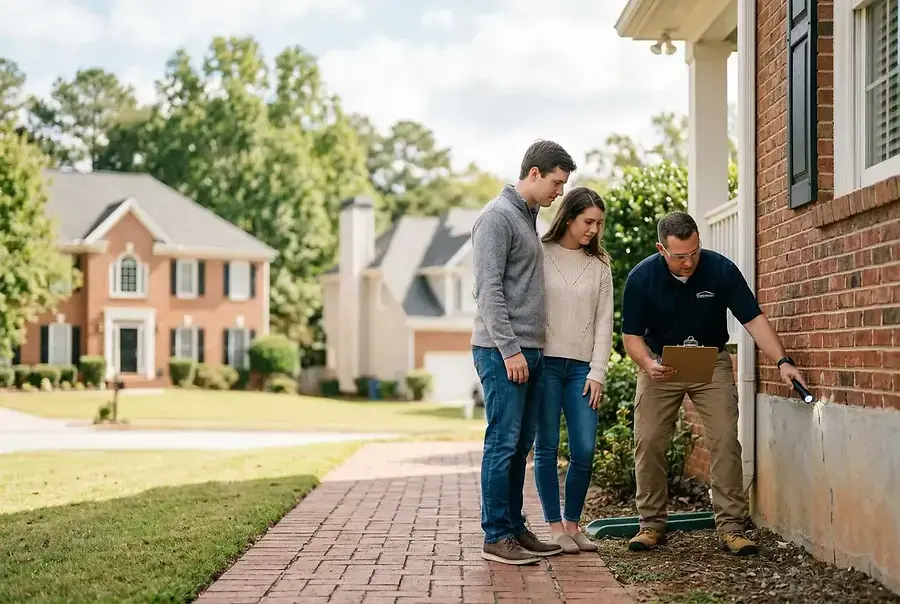
Why Home Inspections Matter in Atlanta's Competitive Market
In Atlanta's fast-paced real estate market, home inspections are more critical than ever. With properties moving quickly and competition among buyers intensifying, many homebuyers feel pressured to skip thorough inspections or waive inspection contingencies. However, this approach can be financially devastating. A comprehensive home inspection is your opportunity to uncover hidden defects, structural issues, and system failures that could cost thousands of dollars to repair after closing.
Atlanta's unique climate and aging housing stock create specific challenges. The region's humidity, temperature fluctuations, and occasional severe weather can accelerate wear on roofing, HVAC systems, and foundations. Many Atlanta homes were built decades ago, meaning outdated electrical systems, plumbing issues, and pest damage are common concerns. A professional inspector acts as your advocate, identifying problems before you commit to the purchase.
Don't let the competitive market pressure you into skipping this essential step. A thorough inspection protects your investment and provides valuable negotiating leverage.
Key Areas Atlanta Inspectors Evaluate: Foundation, Roofing, and Systems
Foundation and Structural Integrity
Atlanta's clay-heavy soil and variable moisture levels make foundation issues particularly common. Inspectors carefully examine foundations for cracks, settling, and water damage. They look for:
- Horizontal or diagonal cracks in basement walls
- Uneven floors or sloping surfaces
- Signs of water intrusion or moisture damage
- Deterioration of concrete or mortar
- Gaps between walls and doors or windows
Even minor foundation issues can escalate into major problems. An inspector's detailed assessment helps you understand the severity and potential repair costs.
Roofing Condition and Age
Atlanta's heat and humidity take a toll on roofing materials. Inspectors evaluate:
- Shingle condition, curling, and missing pieces
- Roof age and remaining lifespan
- Flashing integrity around chimneys and vents
- Gutter and downspout functionality
- Evidence of leaks or water damage in attics
A roof replacement can cost $8,000 to $15,000 or more, making this assessment crucial for budgeting your purchase.
HVAC and Electrical Systems
Atlanta's hot summers mean air conditioning systems work overtime. Inspectors test:
- Air conditioning efficiency and cooling capacity
- Heating system functionality
- Thermostat accuracy and programming
- Electrical panel condition and capacity
- Outlet and switch functionality
- Presence of outdated knob-and-tube wiring
Older homes may have electrical systems that cannot safely handle modern power demands. This is a safety concern that requires professional evaluation.
Plumbing and Water Systems
Water damage is a significant issue in Atlanta homes. Inspectors check:
- Water pressure and flow rates
- Pipe material and condition (galvanized, copper, PVC)
- Evidence of leaks or water stains
- Water heater age and functionality
- Drainage and septic system performance
Corroded or failing pipes can lead to expensive water damage and mold growth.
Red Flags and Common Issues Found in Atlanta Homes
Moisture and Mold Concerns
Atlanta's humid climate creates ideal conditions for mold growth. Inspectors look for visible mold, musty odors, and moisture stains. Mold remediation can be expensive and may indicate deeper water intrusion problems.
Pest Damage
Termites, carpenter ants, and other pests are prevalent in Georgia. Inspectors examine wood structures for:
- Termite tunnels and damage
- Carpenter ant galleries
- Rodent droppings or entry points
- Wood rot and decay
Pest damage can compromise structural integrity and require professional treatment.
Outdated Systems and Code Violations
Older Atlanta homes may have systems that don't meet current building codes. Common issues include:
- Inadequate electrical capacity
- Missing GFCI outlets in bathrooms and kitchens
- Improper ventilation in attics or crawl spaces
- Unsafe stair railings or handrails
Understanding these violations helps you budget for necessary upgrades.
Roof and Attic Issues
Beyond shingle condition, inspectors evaluate attic ventilation, insulation levels, and signs of previous leaks. Poor attic ventilation accelerates shingle deterioration and increases cooling costs.
Pro Tip: Ask your inspector for a detailed report with photographs. Visual documentation helps you understand issues and supports your negotiation efforts.
Using Inspection Results to Negotiate and Protect Your Purchase
Understanding Your Report
A thorough inspection report categorizes issues by severity. Major defects affect safety or structural integrity. Minor issues are cosmetic or easily corrected. Understanding this distinction helps you prioritize concerns and determine which items warrant negotiation.
Negotiation Strategies
Use inspection findings to:
- Request seller repairs for major issues
- Negotiate a price reduction to cover repair costs
- Ask for credits toward closing costs
- Require professional remediation for mold or pest damage
Sellers often prefer price reductions over making repairs themselves, giving you flexibility in negotiations.
Planning for Future Maintenance
Even if you don't negotiate repairs, the inspection report becomes your maintenance roadmap. Prioritize repairs based on safety and cost, and budget for upcoming replacements like roofing or HVAC systems.
A professional home inspection is not an expense—it's an investment in your peace of mind and financial security.
Conclusion: Protecting Your Atlanta Investment
Atlanta's competitive real estate market shouldn't pressure you into skipping a comprehensive home inspection. This critical step reveals hidden issues, protects your investment, and provides negotiating leverage. By understanding what inspectors evaluate and recognizing common Atlanta home issues, you can make informed decisions and avoid costly surprises after closing.
Work with a qualified, licensed home inspector who understands Atlanta's unique housing challenges. Use the inspection report to negotiate confidently and plan for future maintenance. Your thorough due diligence today ensures a sound investment for years to come.