Essential Commercial Due Diligence Checklist for Lafayette Business Owners
Master the critical inspection, appraisal, and financial review steps before closing on your next commercial property investment.

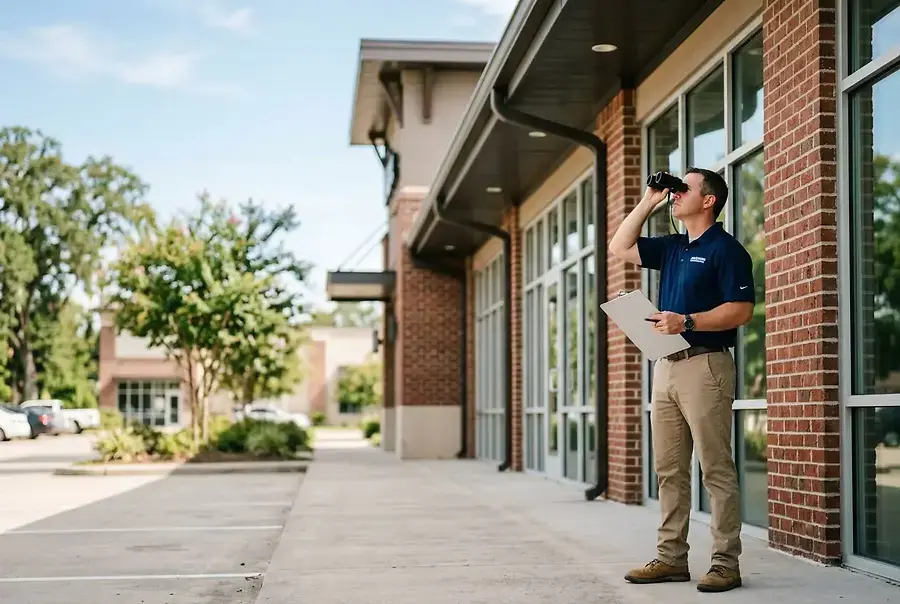
Why Due Diligence Protects Your Commercial Investment
Purchasing commercial property is one of the most significant financial decisions a business owner can make. In Lafayette's competitive real estate market, the difference between a profitable investment and a costly mistake often comes down to thorough due diligence. Due diligence is the comprehensive investigation and review process that uncovers potential risks, hidden liabilities, and opportunities before you commit your capital.
Many Lafayette business owners rush through the due diligence process, eager to close on a promising property. However, skipping critical steps can lead to unexpected expenses, legal complications, and diminished returns on investment. A systematic approach protects your interests and ensures you're making an informed decision based on complete information.
The Cost of Overlooking Due Diligence
Without proper due diligence, you might discover environmental contamination after closing, inherit problematic tenants with questionable payment histories, or find structural issues that require expensive repairs. These oversights can cost tens of thousands of dollars and create operational headaches for years to come.
Environmental Assessments and Site Inspections for Lafayette Properties
Phase I Environmental Site Assessment
A Phase I Environmental Site Assessment (ESA) is your first line of defense against environmental liabilities. This assessment involves a thorough review of the property's history, including previous uses, ownership records, and any documented environmental concerns. A qualified environmental professional will inspect the site for visible signs of contamination, such as stained soil, underground storage tanks, or hazardous materials.
In Lafayette, where industrial and commercial activities have shaped the landscape, Phase I assessments are particularly important. They help identify whether the property has any environmental red flags that might require further investigation or remediation.
Phase II Environmental Site Assessment
If Phase I findings suggest potential contamination, a Phase II ESA involves soil and groundwater sampling. This more detailed investigation determines the extent and severity of any environmental issues. While Phase II assessments add to your due diligence costs, they provide crucial information about remediation requirements and potential long-term liabilities.
Structural and Building Inspections
Beyond environmental concerns, a comprehensive building inspection examines the property's structural integrity, mechanical systems, and overall condition. Key areas to evaluate include:
- Foundation and structural components: Look for cracks, settling, or water damage that could indicate serious problems
- Roof condition: Determine remaining lifespan and any needed repairs or replacement
- HVAC systems: Assess functionality and maintenance history
- Plumbing and electrical: Verify code compliance and capacity for your intended use
- Accessibility compliance: Ensure the property meets ADA requirements
A professional inspector will provide a detailed report with cost estimates for any necessary repairs or upgrades. This information directly impacts your investment's value and your operating budget.
Financial Review: Evaluating Tenant Creditworthiness and Lease Terms
Analyzing Existing Leases
If you're purchasing an income-producing property, existing tenant leases are critical to your investment's success. Review each lease carefully, paying attention to:
- Lease terms and expiration dates: Understand when leases expire and what renewal options exist
- Rent amounts and escalation clauses: Verify that rental rates are competitive and that escalation terms are reasonable
- Tenant responsibilities: Clarify which party pays for maintenance, utilities, insurance, and property taxes
- Default provisions: Know what happens if a tenant fails to pay or violates lease terms
Tenant Financial Stability
A tenant's ability to pay rent directly affects your cash flow and investment returns. Request and review the following for each tenant:
- Recent financial statements and tax returns
- Credit reports and payment history
- Business stability and market position
- Personal guarantees from business owners
Red flags include: Late rent payments, declining revenue, high debt levels, or recent business disruptions. If a tenant shows financial weakness, factor potential vacancy or collection issues into your investment analysis.
Property Financial Performance
Request at least three years of financial records, including:
- Rent rolls showing current tenants and lease rates
- Operating expense statements
- Utility bills and maintenance records
- Vacancy rates and tenant turnover history
- Capital improvement records
Verify all numbers independently. Don't rely solely on the seller's representations. Contact tenants directly to confirm lease terms and payment status. Review utility bills to understand operating costs. This verification process takes time but prevents costly surprises after closing.
Appraisal and Valuation
Obtain an independent appraisal to verify that the purchase price aligns with the property's market value. The appraisal should consider comparable sales, the property's income-generating potential, and its condition. If the appraisal comes in significantly lower than the asking price, you have valuable negotiating leverage.
Making Informed Decisions in Lafayette's Commercial Market
Create Your Due Diligence Timeline
Due diligence requires time. Establish a realistic timeline that allows for inspections, assessments, financial reviews, and professional consultations. Most transactions allow 30-45 days for due diligence, though complex properties may require longer.
Assemble Your Professional Team
Don't navigate due diligence alone. Work with experienced professionals including:
- Commercial real estate attorney
- Certified property inspector
- Environmental consultant
- Commercial appraiser
- CPA or financial advisor
These professionals bring specialized expertise that protects your investment and identifies issues you might otherwise miss.
Document Everything
Maintain organized records of all inspections, assessments, communications, and findings. This documentation supports your decision-making process and provides valuable reference material for future property management.
Thorough due diligence is not a burden—it's your insurance policy. By systematically evaluating environmental conditions, structural integrity, tenant quality, and financial performance, you make confident, informed investment decisions. In Lafayette's dynamic commercial market, this disciplined approach separates successful investors from those who encounter costly surprises.
Take the time to do it right. Your bottom line will thank you.


