Essential Commercial Lease Negotiation Strategies for Dover Business Owners
Discover proven tactics to secure favorable lease terms and protect your commercial interests in Dover's competitive market.

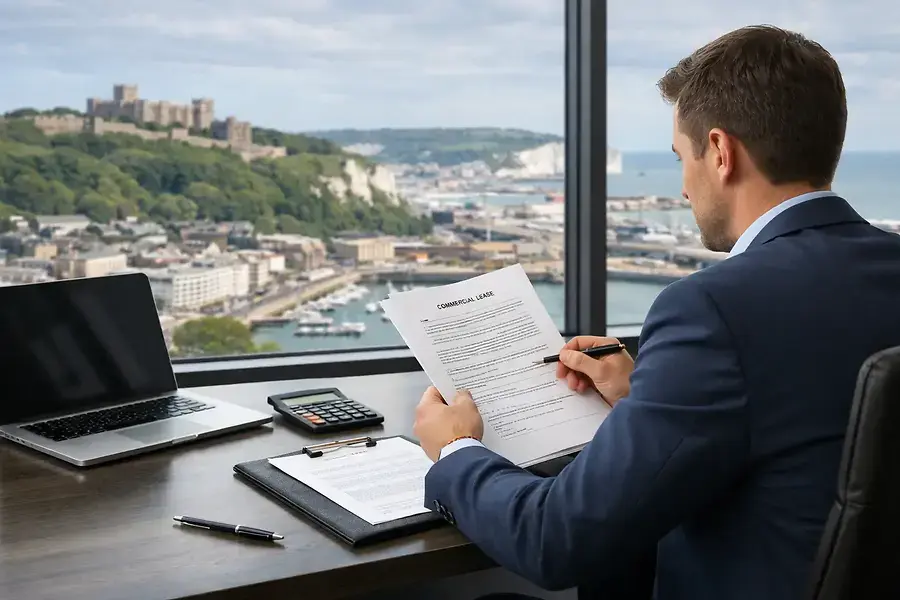
Why Strategic Lease Negotiation Matters for Dover Businesses
For Dover business owners, negotiating a commercial lease is one of the most critical decisions you'll make. Your lease agreement directly impacts your operational costs, financial flexibility, and long-term business viability. Many entrepreneurs focus heavily on finding the right location but overlook the importance of negotiating favorable terms that protect their interests.
A poorly negotiated lease can drain your resources for years, while a well-structured agreement provides stability and growth opportunities. Whether you're opening a new retail storefront, establishing an office, or expanding your manufacturing facility, understanding lease negotiation strategies is essential to maximizing your bottom line.
Understanding Dover's Commercial Market Rates and Comparable Properties
Researching Current Market Conditions
Before entering any negotiation, arm yourself with knowledge about Dover's commercial real estate market. Understanding prevailing rental rates, market trends, and comparable properties gives you leverage in discussions with landlords.
- Analyze comparable properties: Research similar spaces in your desired location to establish baseline pricing. Look at square footage, amenities, lease duration, and tenant improvement allowances.
- Review market reports: Access commercial real estate databases and local market analyses to understand supply and demand dynamics in Dover.
- Connect with local brokers: Real estate professionals have insider knowledge about market rates and upcoming opportunities that may not be publicly listed.
- Evaluate location premiums: Different Dover neighborhoods command different rates. Downtown locations typically cost more than suburban areas.
Timing Your Negotiation
Market conditions fluctuate throughout the year. Properties with high vacancy rates give you more negotiating power. Landlords facing extended vacancies are often more willing to offer concessions, reduced rates, or tenant improvement allowances to secure reliable tenants.
Knowledge is power in lease negotiations. The more you understand about Dover's market, the stronger your negotiating position.
Critical Lease Terms to Negotiate and How to Avoid Common Pitfalls
Base Rent and Escalation Clauses
Base rent is just the starting point. Pay close attention to how rent increases over time. Many leases include annual escalation clauses that can significantly impact your long-term costs.
- Negotiate fixed increases: Push for predictable, fixed percentage increases rather than market-rate adjustments.
- Cap escalations: Establish a maximum annual increase to protect against unexpected cost spikes.
- Request rent abatement: For new spaces, negotiate free rent during buildout or initial occupancy periods.
Lease Duration and Renewal Options
The length of your lease affects your flexibility and financial planning. Shorter leases offer flexibility but may result in higher per-year costs. Longer leases provide stability but lock you in for extended periods.
- Negotiate renewal options: Secure the right to renew at predetermined rates, protecting you from market rate increases.
- Include break clauses: Build in exit options if your business needs change unexpectedly.
- Balance commitment with flexibility: Consider a 3-5 year initial term with renewal options rather than a lengthy single lease.
Tenant Improvement Allowances
Landlords often provide allowances to help tenants customize spaces. This is a major negotiation point that can save thousands of dollars.
- Maximize TI allowances: Negotiate the highest possible contribution toward buildout costs.
- Define improvement standards: Clarify what improvements are covered and who manages the construction process.
- Plan for future modifications: Ensure the lease allows reasonable alterations without excessive landlord approval requirements.
Operating Expenses and CAM Charges
Common Area Maintenance (CAM) charges cover shared building expenses like utilities, insurance, and maintenance. These can add significantly to your total occupancy costs.
- Cap CAM increases: Negotiate annual caps on how much CAM charges can increase.
- Request detailed breakdowns: Understand exactly what's included in CAM charges and request itemized billing.
- Negotiate exclusions: Try to exclude major capital improvements from CAM charges.
Insurance and Liability Protection
Lease agreements typically require tenants to carry insurance. Ensure these requirements are reasonable and clearly defined.
- Review insurance minimums: Negotiate reasonable coverage limits appropriate for your business type.
- Clarify liability responsibilities: Understand who bears responsibility for different types of damage or accidents.
- Protect against excessive requirements: Ensure the landlord maintains adequate property insurance.
Default and Termination Clauses
Understanding what constitutes default and the consequences is crucial. Unfavorable default clauses can result in eviction over minor issues.
- Define default clearly: Ensure default clauses are specific and reasonable, not overly broad.
- Request cure periods: Negotiate reasonable timeframes to remedy lease violations before facing penalties.
- Avoid personal guarantees: If possible, limit personal liability to your business entity rather than personal assets.
Common Pitfalls to Avoid
Don't sign without legal review: Always have a commercial real estate attorney review lease agreements before signing. The cost of legal review is minimal compared to potential problems.
Don't accept the first offer: Landlords expect negotiation. The initial lease terms are rarely their final position.
Don't overlook hidden costs: Factor in all expenses—rent, CAM charges, insurance, utilities, and maintenance—when evaluating total occupancy costs.
Don't ignore future growth: Ensure the lease accommodates your anticipated business growth or includes expansion options.
Maximizing Your Bottom Line Through Smart Lease Decisions
Strategic lease negotiation directly impacts your business profitability. By thoroughly understanding Dover's commercial market, carefully evaluating lease terms, and negotiating aggressively, you can secure agreements that support your business goals.
Remember that landlords want reliable, long-term tenants. This gives you leverage to negotiate favorable terms. Approach negotiations professionally, come prepared with market data, and don't hesitate to walk away from unfavorable deals.
The time and effort you invest in lease negotiation will pay dividends throughout your tenancy. A well-negotiated lease provides financial predictability, operational flexibility, and peace of mind—essential ingredients for business success in Dover's competitive market.


