Essential Dallas Home Inspection Checklist: What Smart Buyers Must Know
Master the critical inspection points that protect your investment and reveal hidden issues before closing.

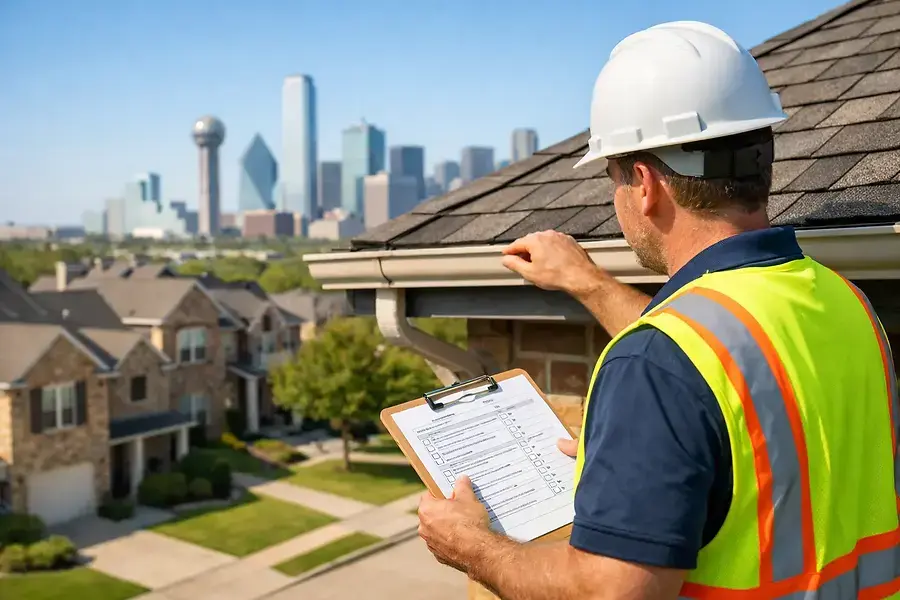
Understanding the Home Inspection Process in Dallas
A home inspection is one of the most critical steps in the home-buying process, especially in the Dallas real estate market. This comprehensive evaluation examines the structural integrity, mechanical systems, and overall condition of a property before you commit to the purchase. In Dallas, where homes face unique challenges from the Texas climate—including intense heat, occasional severe weather, and soil conditions—a thorough inspection becomes even more essential.
The typical home inspection in Dallas takes between two to four hours, depending on the property's size and age. A licensed inspector will examine everything from the foundation to the roof, documenting their findings in a detailed report. This report becomes your roadmap for negotiating repairs, requesting credits, or making informed decisions about whether to proceed with the purchase.
Why Dallas Homes Require Special Attention
Dallas properties face specific environmental and structural challenges that inspectors must evaluate carefully. The region's expansive clay soil can cause foundation movement, the intense summer heat stresses HVAC systems, and the occasional hail storms impact roofing materials. Understanding these Dallas-specific concerns helps you ask the right questions during your inspection.
Critical Areas to Evaluate During Your Inspection
Foundation and Structural Components
The foundation is the backbone of any home. During your inspection, look for:
- Cracks in the foundation – Small hairline cracks are normal, but larger cracks or stair-step patterns may indicate serious issues
- Water damage or moisture – Signs of water intrusion in basements or crawl spaces
- Uneven floors – Walking through the home, notice if floors slope or feel uneven
- Gaps between walls and doors – These can indicate foundation settling or movement
Roof and Exterior
Your roof protects everything beneath it. Inspect for:
- Shingle condition – Look for missing, curled, or deteriorating shingles
- Flashing integrity – Check areas around chimneys, vents, and skylights for proper sealing
- Gutter condition – Ensure gutters are secure and free of debris
- Roof age – Most roofs last 15-25 years; knowing the age helps you budget for replacement
HVAC Systems
In Dallas, your air conditioning system works overtime. Evaluate:
- Age and maintenance records – Systems typically last 10-15 years
- Proper operation – The system should cool efficiently and maintain consistent temperatures
- Ductwork condition – Check for leaks or disconnected ducts that reduce efficiency
- Thermostat functionality – Ensure it accurately controls temperature
Plumbing and Water Systems
Water-related issues can be expensive. Examine:
- Water pressure and flow – Test multiple fixtures simultaneously
- Pipe materials – Older homes may have outdated piping that needs replacement
- Water heater condition – Check age, capacity, and signs of rust or leaks
- Drainage systems – Ensure proper drainage around the foundation
Electrical Systems
Safety is paramount with electrical systems:
- Panel condition – The electrical panel should be properly labeled and in good condition
- Outlet and switch functionality – Test outlets throughout the home
- Grounding and bonding – Proper grounding protects against electrical hazards
- Outdated wiring – Older homes may have aluminum wiring or knob-and-tube wiring that poses fire risks
Red Flags and How to Address Them
Major Red Flags to Take Seriously
Foundation problems are the most serious issue you can discover. If your inspector identifies significant foundation movement, cracks, or water damage, consult a structural engineer before proceeding. These repairs can cost thousands of dollars.
Roof damage or age is another critical concern. If the roof is nearing the end of its lifespan or shows significant damage, budget for replacement or negotiate a credit from the seller.
Outdated electrical systems pose safety and insurance risks. Homes with aluminum wiring or knob-and-tube wiring may require complete rewiring, which is a substantial investment.
Mold or water damage indicates moisture problems that can affect indoor air quality and structural integrity. These issues require professional remediation.
Minor Issues You Can Often Negotiate
Not every inspection finding requires walking away from the deal. Minor issues like:
- Caulking around windows and doors
- Missing outlet covers or light switch plates
- Small roof repairs or missing shingles
- Gutter cleaning or minor repairs
These can often be negotiated as seller credits or repairs without derailing your purchase.
How to Respond to Inspection Findings
Once you receive your inspection report, you have several options:
- Request repairs – Ask the seller to fix identified issues before closing
- Request credits – Receive a monetary credit to handle repairs yourself
- Renegotiate price – Lower the purchase price to account for necessary repairs
- Walk away – If major issues are discovered, you may have the right to terminate the contract
Your real estate agent and inspector can help you determine which approach makes sense for your situation.
Moving Forward: Next Steps After Your Inspection
Review the Inspection Report Thoroughly
Don't just skim the report. Read every page carefully and ask your inspector to explain anything you don't understand. Many inspection reports include photos and detailed descriptions of findings—use these to fully grasp the condition of your potential home.
Prioritize Your Concerns
Categorize findings into three groups: critical (safety or structural issues), important (systems nearing end of life), and minor (cosmetic or easily fixable items). This helps you focus negotiations on what truly matters.
Get Professional Opinions When Needed
If your inspector identifies potential foundation issues, mold, or other serious concerns, hire specialists to provide detailed assessments. The cost of a specialist inspection is minimal compared to the cost of addressing major problems after purchase.
Make Your Final Decision
Armed with complete information about the property's condition, you can make a confident decision. Whether you negotiate repairs, request credits, adjust your offer, or walk away, you're doing so with full knowledge of what you're purchasing.
A thorough home inspection is your best defense against costly surprises and hidden problems. By understanding what to look for and how to respond to findings, you protect your investment and ensure you're making an informed decision about one of the largest purchases of your life.


