Essential Detroit Home Inspections: What Every Buyer Must Know Before Closing
Protect your investment by understanding the critical inspection points that reveal a property's true condition and hidden repair needs.

Understanding the Home Inspection Process
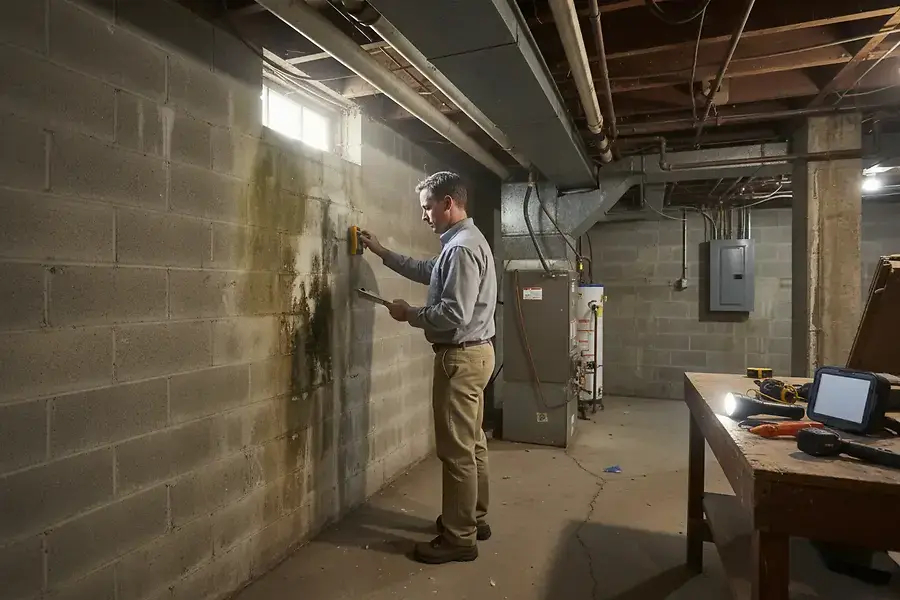
A home inspection is one of the most critical steps in the home buying process. This comprehensive evaluation by a licensed professional examines the structural integrity, mechanical systems, and overall condition of a property. In Detroit, where many homes feature unique architectural styles and varying ages, a thorough inspection becomes even more essential.
The typical home inspection takes between two to four hours, depending on the property's size and age. During this time, the inspector will document findings in a detailed report that serves as your roadmap for understanding the property's condition. This report is your protection—it provides objective information that can influence your purchasing decision, negotiation strategy, and future maintenance planning.
What to Expect During the Inspection
Professional inspectors follow a systematic approach, examining both visible and accessible components of the home. You have the right to be present during the inspection, and it's highly recommended that you attend. This allows you to ask questions, understand issues firsthand, and gain valuable insights about the property you're considering.
Key Areas Inspectors Evaluate in Detroit Properties
Foundation and Structural Components
Detroit's older homes often present unique foundation challenges. Inspectors carefully examine:
- Foundation cracks and settlement patterns
- Basement moisture and water intrusion signs
- Structural support beams and load-bearing walls
- Evidence of previous repairs or reinforcement
Foundation issues can be costly, making this evaluation critical for your investment protection.
Roofing and Exterior Systems
The roof is your home's first line of defense against Michigan's harsh weather. Inspectors assess:
- Roof age, material condition, and remaining lifespan
- Flashing, gutters, and drainage systems
- Siding, windows, and exterior wall integrity
- Chimney condition and proper ventilation
A failing roof can lead to thousands in water damage, making this one of the most important inspection areas.
Plumbing and Water Systems
Water-related issues are among the most common problems in Detroit homes. Inspectors check:
- Pipe material, age, and condition (galvanized vs. copper)
- Water pressure and flow rates
- Sump pump functionality and drainage
- Water heater age and operational status
- Evidence of leaks, corrosion, or previous water damage
Electrical Systems
Electrical safety is paramount. Professional inspectors evaluate:
- Panel capacity and circuit breaker condition
- Grounding and bonding systems
- Outlet and switch functionality
- Presence of outdated wiring (knob-and-tube, aluminum)
HVAC and Mechanical Systems
Heating and cooling systems are essential in Michigan's climate. Inspectors assess:
- Furnace age, efficiency, and operational condition
- Air conditioning system functionality
- Ductwork integrity and insulation
- Thermostat operation and controls
Red Flags and How to Interpret Inspection Reports
Understanding Report Language
Inspection reports use specific terminology to categorize findings. Learn to distinguish between minor issues and major concerns:
- Maintenance items are routine upkeep tasks (cleaning gutters, caulking)
- Minor repairs are inexpensive fixes that don't affect safety or functionality
- Major repairs require significant investment and may affect property value
- Safety hazards pose immediate risks and require urgent attention
Common Red Flags in Detroit Properties
Certain findings should raise serious concerns:
- Basement moisture or mold growth indicates water intrusion problems
- Outdated electrical panels may require complete replacement
- Galvanized or corroded plumbing often needs replacement within years
- Roof age over 20 years suggests imminent replacement needs
- Structural cracks or settling may indicate foundation problems
- Asbestos or lead paint require professional remediation
Interpreting the Numbers
Don't get overwhelmed by the volume of information.
Focus on items marked as "major" or "safety concerns" first, then prioritize based on cost and urgency.Ask your inspector to clarify any findings you don't understand and request estimates for repairs when possible.
Taking Action: Negotiating Repairs and Next Steps
Developing Your Strategy
Once you receive the inspection report, you have several options:
- Request repairs: Ask the seller to fix major issues before closing
- Request credits: Negotiate a price reduction to cover repair costs yourself
- Request inspections: Hire specialists for specific concerns (foundation, electrical, HVAC)
- Renegotiate or walk away: If issues are too extensive, reconsider the purchase
Negotiation Best Practices
Approach negotiations professionally and strategically. Use the inspection report as your foundation, focusing on documented issues rather than cosmetic concerns. Prioritize safety hazards and major systems, as sellers are more likely to address these. Get written quotes for repairs to support your negotiation position.
Final Steps Before Closing
After negotiations conclude, take these important actions:
- Request a final walk-through to verify agreed-upon repairs were completed
- Hire specialists for any remaining concerns that need professional assessment
- Review the final inspection report and compare it to the original findings
- Ensure all negotiated items are documented in your purchase agreement
- Plan for future maintenance based on inspector recommendations
Long-Term Investment Protection
The inspection report isn't just for closing day—it's a valuable resource for years to come. Keep it accessible for reference when planning maintenance, repairs, or future renovations. Use the inspector's recommendations to create a maintenance schedule that protects your investment and prevents costly surprises down the road.
By understanding the home inspection process and taking these findings seriously, you're making an informed decision about one of life's largest investments. In Detroit's diverse real estate market, this knowledge is your greatest asset.


