Essential Due Diligence Checklist for Commercial Property Buyers
Master the critical inspection and analysis steps that protect your commercial investment from costly mistakes.

Introduction: Why Commercial Property Due Diligence Matters
Purchasing commercial property represents one of the most significant financial decisions a business owner or investor can make. Unlike residential purchases, commercial real estate transactions involve complex layers of legal, financial, and operational considerations that can dramatically impact your bottom line. Proper due diligence is not optional—it's essential insurance against costly mistakes.
Many buyers rush through the inspection and analysis phase, eager to close the deal. However, skipping critical steps can lead to unexpected repair costs, legal disputes, environmental liabilities, or zoning complications that could cost hundreds of thousands of dollars. This checklist will guide you through the essential verification processes that every commercial property buyer should complete.
Structural and Systems Assessment: What Professional Inspectors Evaluate
Building Condition and Structural Integrity
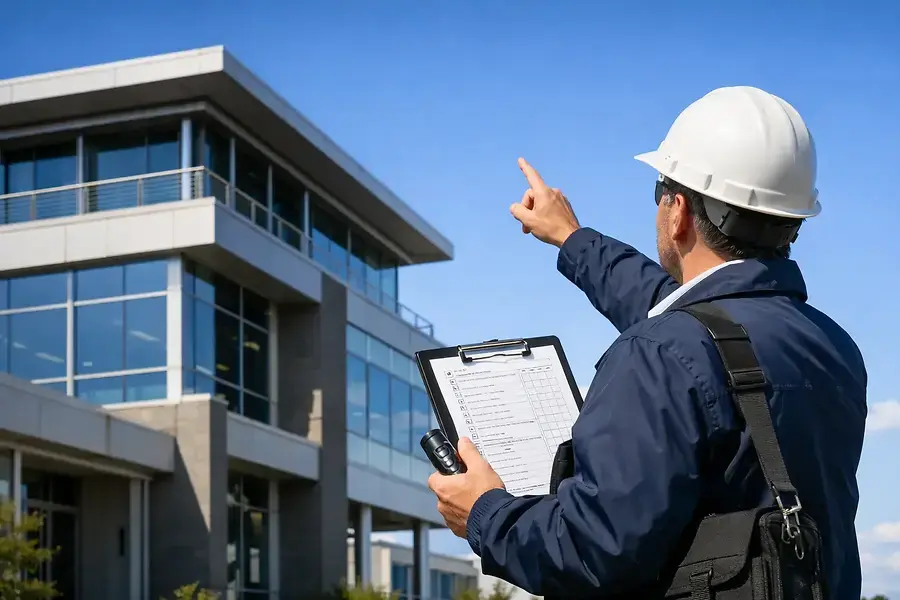
The foundation of any commercial property evaluation begins with a comprehensive physical inspection. Professional inspectors examine:
- Foundation integrity and signs of settling or cracking
- Roof condition, age, and remaining lifespan
- Exterior walls, windows, and weatherproofing
- Interior walls, ceilings, and flooring systems
- Evidence of water damage, mold, or pest infestation
Request a detailed inspection report that includes photographs and recommendations for repairs. This documentation becomes valuable for negotiating price adjustments or requesting seller repairs before closing.
Mechanical and Electrical Systems
Commercial properties depend on sophisticated mechanical systems that require specialized evaluation. Inspectors assess:
- HVAC systems—age, maintenance records, and efficiency ratings
- Electrical panels, wiring, and capacity for your operational needs
- Plumbing systems and water quality testing
- Fire suppression systems and safety equipment
- Elevators and escalators (if applicable)
Budget for potential upgrades. Aging systems may require replacement within the first few years of ownership, so factor these costs into your financial projections.
Financial and Legal Documentation Review: Understanding Lease Agreements and Zoning Compliance
Lease Agreement Analysis
If the property is tenant-occupied, thoroughly review all existing lease agreements. Key items to examine include:
- Lease terms, expiration dates, and renewal options
- Rental rates and scheduled increases
- Tenant improvement obligations and maintenance responsibilities
- Default clauses and remedies
- Assignment and subletting restrictions
Consult with a commercial real estate attorney to ensure lease terms protect your interests and align with your investment strategy. Unfavorable lease terms can significantly reduce property value and cash flow potential.
Zoning and Land Use Compliance
Verify that the property's current and intended use complies with local zoning regulations. Contact your municipal zoning office to confirm:
- Current zoning classification and permitted uses
- Any variances or special permits currently in place
- Setback requirements, height restrictions, and parking obligations
- Future development plans that might affect the property
- Compliance with ADA accessibility requirements
Zoning violations or non-compliance issues can prevent you from operating your intended business or require costly modifications.
Environmental and Title Verification: Identifying Hidden Liabilities Before Purchase
Environmental Site Assessment
Environmental liabilities represent one of the most serious hidden risks in commercial real estate. Conduct a Phase I Environmental Site Assessment (ESA) to investigate potential contamination from:
- Previous industrial or manufacturing operations
- Underground storage tanks
- Hazardous materials storage or disposal
- Soil and groundwater contamination
- Asbestos, lead paint, or other hazardous building materials
If Phase I findings indicate potential contamination, a Phase II ESA involving soil and water testing may be necessary. Environmental cleanup costs can be astronomical, making this assessment non-negotiable.
Title Search and Insurance
A comprehensive title search reveals whether the seller has clear ownership and identifies any liens, easements, or encumbrances affecting the property. Verify:
- Seller's legal right to convey the property
- Outstanding mortgages, tax liens, or judgment liens
- Easements that might restrict property use
- Restrictive covenants or deed restrictions
- Boundary disputes or survey issues
Obtain a commercial property title insurance policy to protect against future title defects. This relatively inexpensive protection can save you from significant legal and financial complications.
Survey and Boundary Verification
Request an updated property survey to confirm boundaries, improvements, and encroachments. This is particularly important if you plan renovations or expansions that might be affected by boundary lines or easements.
Conclusion: Making Confident Commercial Real Estate Decisions
Commercial property due diligence requires time, attention to detail, and professional expertise. By systematically working through this checklist, you accomplish several critical objectives:
- Identify physical defects and system issues before purchase
- Understand financial obligations and revenue potential
- Verify legal compliance and clear title
- Uncover environmental liabilities and hidden costs
- Negotiate better terms based on documented findings
The investment you make in thorough due diligence—whether through professional inspectors, attorneys, or environmental consultants—is minimal compared to the protection it provides. Don't let enthusiasm for a property override prudent analysis. Take the time to verify every critical aspect before committing your capital. Your future self will thank you for the diligence you exercise today.


