Essential Due Diligence Checklist for Commercial Property Buyers
Master the critical inspection and documentation steps before closing on your commercial real estate investment in Nebraska.

Why Due Diligence Matters in Commercial Real Estate
Purchasing commercial property is one of the most significant financial decisions you'll make as an investor or business owner. Unlike residential real estate, commercial properties involve complex financial structures, multiple tenants, and intricate legal agreements. Due diligence is your safeguard against costly mistakes and hidden liabilities.
The due diligence process involves thoroughly investigating every aspect of a property before you commit to the purchase. This comprehensive review protects your investment, ensures regulatory compliance, and helps you make informed decisions based on complete information. Skipping or rushing this critical phase can result in unexpected expenses, legal disputes, or poor investment returns.
Physical Property Inspection and Environmental Assessment
Structural and Building Systems Evaluation
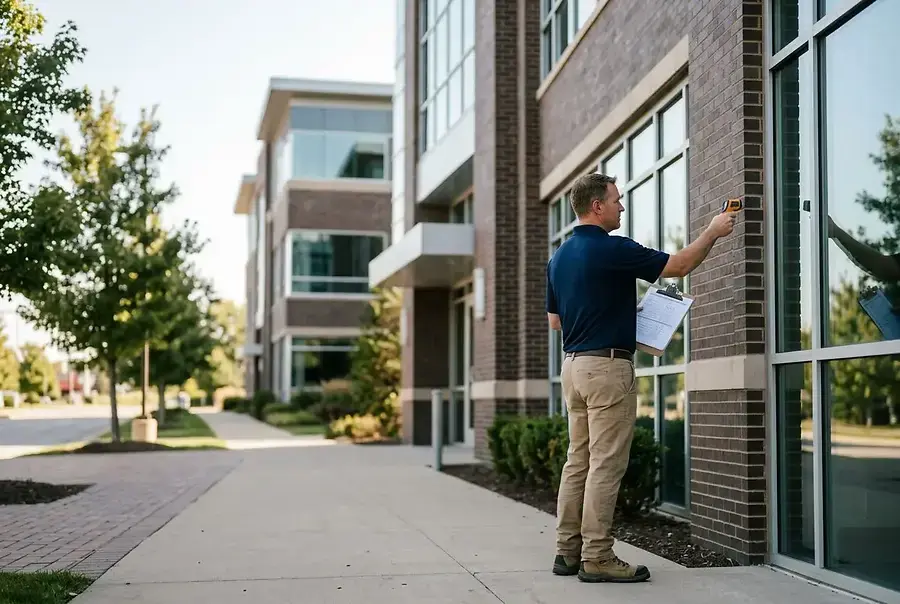
Begin with a comprehensive physical inspection conducted by a qualified commercial property inspector. This evaluation should cover:
- Roof condition and remaining lifespan
- Foundation integrity and structural soundness
- HVAC systems, plumbing, and electrical infrastructure
- Building envelope and weatherproofing
- Accessibility compliance with ADA requirements
- Fire safety systems and emergency exits
Document all findings in writing and obtain repair estimates for any deficiencies. These costs should factor into your purchase price negotiations.
Environmental Assessment
Environmental contamination can create substantial liability. Conduct a Phase I Environmental Site Assessment (ESA) to identify potential hazards such as:
- Soil and groundwater contamination
- Asbestos, lead paint, or mold presence
- Underground storage tanks
- Previous industrial uses or spills
If Phase I findings warrant further investigation, proceed with a Phase II ESA involving soil and water testing. Environmental issues can be expensive to remediate, so this step is non-negotiable.
Financial Records Review and Tenant Lease Analysis
Income and Expense Verification
Request and thoroughly review the seller's financial documentation for the past three to five years, including:
- Profit and loss statements
- Operating expense breakdowns
- Rent rolls and tenant payment history
- Utility bills and maintenance records
- Insurance policies and claims history
- Tax returns and property tax assessments
Verify all figures independently. Don't rely solely on seller-provided information. Contact tenants directly to confirm lease terms and payment reliability.
Tenant Lease Analysis
Examine every lease agreement currently in place. Key items to evaluate include:
- Lease expiration dates and renewal options
- Rent escalation clauses and payment terms
- Tenant responsibilities for maintenance and utilities
- Default provisions and remedies
- Assignment and subletting restrictions
- Tenant creditworthiness and payment history
A property with stable, long-term tenants and strong payment histories represents lower risk and more predictable cash flow.
Vacancy and Market Analysis
Assess the property's occupancy rate and compare it to local market averages. High vacancy rates may indicate management issues, market saturation, or property deficiencies. Research comparable properties in the area to understand realistic rental rates and occupancy expectations.
Legal Documentation and Title Verification
Title Search and Insurance
Obtain a comprehensive title search to verify the seller's ownership and identify any liens, easements, or encumbrances on the property. Title insurance protects you against future claims to ownership. Review the title commitment carefully and address any exceptions before closing.
Zoning and Land Use Compliance
Verify that the property's current use complies with local zoning regulations. Confirm:
- Current zoning classification and permitted uses
- Any variances or conditional use permits in place
- Future zoning or development plans for the area
- Parking requirements and compliance
- Signage restrictions
Non-compliance can limit your ability to operate the property or require costly modifications.
Permits and Licenses
Request copies of all permits, licenses, and certificates of occupancy. Verify that:
- Building permits are current and properly filed
- All renovations and improvements were properly permitted
- Operating licenses are valid and transferable
- Health department certifications are current (if applicable)
Legal Agreements and Contracts
Review all agreements affecting the property, including:
- Service contracts (maintenance, security, landscaping)
- Equipment leases
- Parking agreements
- Common area maintenance (CAM) agreements
- Homeowners association documents (if applicable)
Determine which contracts transfer to you and which terminate at closing. Understand your obligations and associated costs.
Making Informed Commercial Property Decisions
Thorough due diligence transforms commercial property investment from a risky venture into a calculated decision based on complete information. By systematically reviewing physical conditions, financial performance, tenant quality, and legal standing, you identify potential issues before they become your problems.
Invest time and resources in due diligence now to avoid expensive surprises later. Work with experienced professionals including commercial real estate inspectors, environmental consultants, accountants, and attorneys. Their expertise protects your investment and ensures you understand exactly what you're purchasing.
Remember that due diligence isn't about finding reasons to walk away—it's about making confident, informed decisions. Whether you proceed with the purchase, negotiate better terms, or decide to pass, you'll do so with complete knowledge of the property's true condition and financial performance. That confidence is invaluable in commercial real estate investing.