Essential Flood Insurance Protection for Ascension Parish Homeowners
Protect your residential investment with essential flood coverage information tailored to Louisiana's unique property risks.

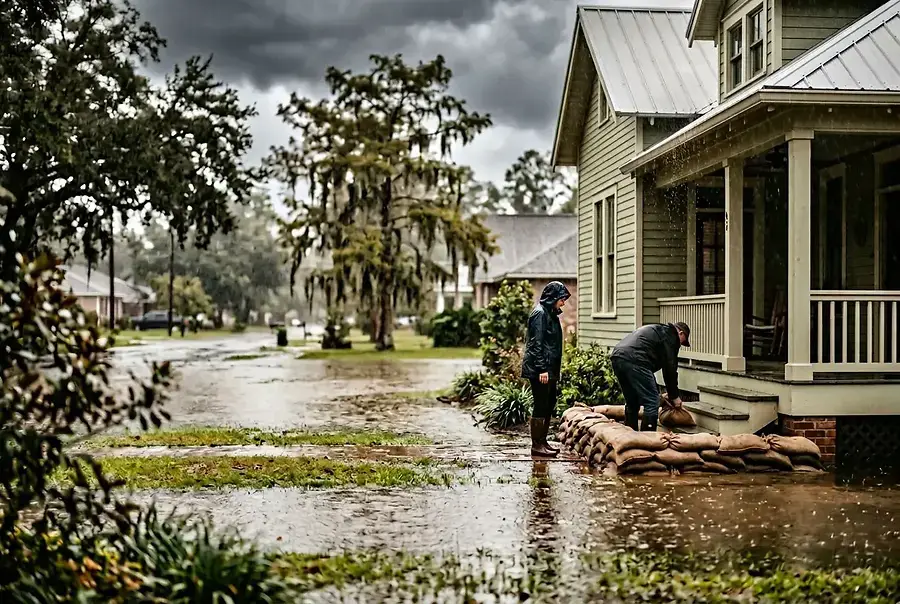
Why Flood Insurance Matters in Ascension Parish
Ascension Parish, located in southeastern Louisiana, faces unique environmental challenges that make flood insurance not just a recommendation, but a necessity for homeowners. The region's proximity to the Mississippi River, combined with its low elevation and high water table, creates significant flood risks that standard homeowners insurance policies simply do not cover.
Many homeowners mistakenly believe their standard insurance policies protect them against flooding. This is a critical misconception. Flood damage is explicitly excluded from traditional homeowners insurance policies. Without dedicated flood coverage, a single flood event could result in catastrophic financial losses that could take years to recover from.
Louisiana's climate patterns, including heavy rainfall, tropical storms, and hurricane season, further elevate flood risks in Ascension Parish. Homeowners who invest in proper flood insurance gain peace of mind and financial security, knowing their most valuable asset is protected.
Flood Risk Assessment for Ascension Parish Communities
Batchelor
Batchelor residents should be aware of their community's moderate to high flood risk. The area's elevation and proximity to drainage systems make it susceptible to both flash flooding and prolonged water accumulation during heavy rainfall events.
Baton Rouge
As the parish seat, Baton Rouge experiences varied flood risks depending on specific neighborhoods. Properties near waterways and in low-lying areas face elevated risk, while elevated neighborhoods may have lower premiums. A detailed flood zone assessment is essential for accurate insurance planning.
Denham Springs
Denham Springs has experienced significant flooding in recent years, making flood insurance particularly important for residents. The community's location and drainage patterns contribute to its higher-than-average flood vulnerability. Homeowners here should prioritize comprehensive flood coverage.
Gonzales
Gonzales residents benefit from understanding their specific flood zone designation. While some areas experience lower risk, others are in high-risk zones requiring mandatory flood insurance for mortgaged properties. Professional risk assessment helps determine appropriate coverage levels.
Prairieville
Prairieville's rapid development has altered drainage patterns, affecting flood risk across the community. Both new and established homeowners should conduct thorough flood risk evaluations to ensure adequate protection for their properties.
Walker
Walker's location presents moderate flood risks that vary by specific address. Homeowners should obtain detailed flood zone maps and consider professional assessments to determine their individual risk levels and appropriate insurance coverage.
Coverage Options and Policy Types Explained
National Flood Insurance Program (NFIP)
The NFIP is the primary source of flood insurance for most American homeowners. This federal program offers standardized coverage with consistent rates and terms. NFIP policies cover building structures and personal property, with separate limits for each category.
- Building Coverage: Protects the structure itself, including foundation, walls, and permanent fixtures
- Contents Coverage: Covers personal belongings such as furniture, appliances, and clothing
- Coverage Limits: Building coverage up to $250,000 and contents coverage up to $100,000
Private Flood Insurance
Private insurers now offer flood insurance policies that may provide more flexible coverage options than the NFIP. These policies can sometimes offer higher coverage limits and potentially lower premiums for properties with lower risk profiles. Comparing private options with NFIP policies helps homeowners find the best value.
Understanding Flood Zones
Flood zones are designated by FEMA based on historical data and flood modeling. Properties in high-risk zones (Special Flood Hazard Areas) typically require flood insurance if they have federally-backed mortgages. Understanding your property's flood zone is the first step in determining coverage needs.
Key Point: Even properties outside high-risk zones can experience flooding. Approximately 20% of flood claims occur in moderate-to-low risk areas, making flood insurance valuable for all homeowners.
Deductibles and Premiums
Flood insurance premiums vary based on several factors including flood zone designation, elevation, construction type, and coverage limits. Deductibles typically range from $500 to $5,000, with higher deductibles resulting in lower premiums. Homeowners should balance affordability with adequate protection.
Waiting Periods and Effective Dates
Most flood insurance policies include a 30-day waiting period before coverage becomes effective. This makes purchasing flood insurance well in advance of hurricane season essential. Homeowners cannot wait until a storm is approaching to obtain coverage.
Making the Right Insurance Decision for Your Home
Protecting your home from flood damage requires a thoughtful, informed approach. Start by determining your property's flood zone through FEMA's Flood Map Service Center. This free resource provides detailed information about your specific risk level.
Next, assess your property's individual characteristics. Elevation, distance from water sources, and local drainage patterns all influence flood risk. Consider hiring a professional flood risk assessment to gain detailed insights specific to your property.
Compare coverage options carefully. Obtain quotes from both the NFIP and private insurers to understand available options and pricing. Don't automatically assume one option is better—each property and homeowner situation is unique.
Review your coverage annually, especially after significant weather events or property modifications. Changes to your home or surrounding area may affect your flood risk and insurance needs. Staying informed ensures your coverage remains adequate.
Finally, understand that flood insurance is an investment in your financial security. The cost of premiums is minimal compared to potential flood damage expenses. For Ascension Parish homeowners, flood insurance isn't optional—it's essential protection for your most valuable asset.
Take action today by contacting an insurance agent familiar with Louisiana's unique flood risks. Your home's protection depends on making informed decisions about flood coverage now, before disaster strikes.