Essential Guide to Evaluating a Home's True Condition Before You Buy
A practical guide to assessing structural integrity, systems, and potential red flags before making your purchase decision.

Introduction: Why Home Evaluation Matters
Purchasing a home is one of the most significant financial decisions you'll make in your lifetime. Beyond the emotional appeal of a beautiful kitchen or charming curb appeal, understanding a property's true condition is essential to protecting your investment. A thorough home evaluation can reveal hidden problems that could cost thousands in repairs and help you negotiate a fair price. Whether you're a first-time homebuyer or an experienced investor, knowing what to look for can mean the difference between a sound investment and a costly mistake.
Key Structural Components to Inspect
Foundation and Basement
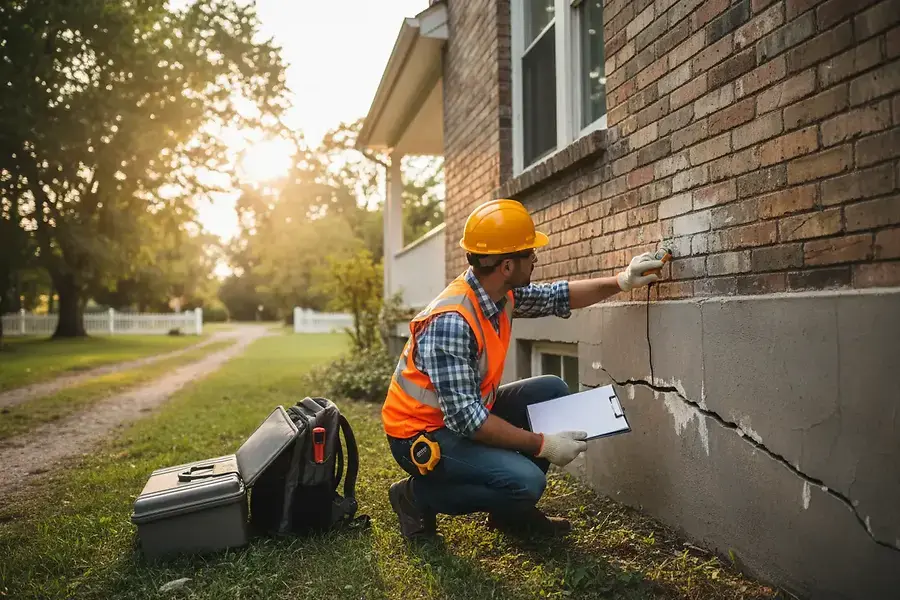
The foundation is the backbone of any home. Look for cracks in the foundation walls, particularly horizontal or stair-step patterns, which indicate serious structural issues. Check the basement or crawl space for signs of water damage, moisture, or mold. Efflorescence—a white, chalky substance on basement walls—suggests water infiltration. Pay attention to:
- Cracks wider than 1/4 inch
- Bowing or leaning walls
- Water stains or active leaks
- Uneven or sloping floors
Roof and Attic
The roof protects everything beneath it, making its condition critical. Inspect the roof from the ground using binoculars, looking for missing or damaged shingles, curling, or granule loss. If accessible, examine the attic for proper ventilation, insulation levels, and signs of leaks or pest damage. Check for:
- Water stains on rafters or decking
- Adequate ventilation and airflow
- Proper insulation coverage
- Evidence of past or present leaks
Walls and Exterior
Walk around the entire property and examine the exterior carefully. Look for cracks in brick or siding, peeling paint, or rotting wood. These issues can indicate moisture problems or structural settling. Check that windows and doors seal properly and show no signs of water damage around frames.
Essential Home Systems and Utilities
Electrical System
An outdated or faulty electrical system poses serious safety risks. Verify that the home has adequate electrical capacity for modern appliances. Look for outdated aluminum wiring, which can be a fire hazard, and ensure the panel is properly grounded. Check that outlets are properly installed and functioning throughout the home.
Plumbing System
Test all faucets, toilets, and drains to ensure proper water pressure and drainage. Ask about the age and material of the pipes—older homes may have galvanized or cast iron pipes that are prone to corrosion. Look for signs of leaks under sinks, around the water heater, and in the basement. Verify that the water heater is functioning properly and note its age.
HVAC System
The heating, ventilation, and air conditioning system is essential for comfort and indoor air quality. Determine the age of the furnace and air conditioning unit. Systems typically last 15-20 years, so older units may need replacement soon. Ask for maintenance records and ensure the system is properly sized for the home.
Insulation and Ventilation
Proper insulation and ventilation affect energy efficiency and indoor air quality. Check attic insulation levels and ensure adequate ventilation to prevent moisture buildup. Inspect crawl spaces for proper vapor barriers and ventilation.
Common Issues and Red Flags to Watch For
Water Damage and Mold
Water damage is one of the most expensive problems to remediate. Look for discolored patches on ceilings or walls, musty odors, and visible mold growth. These signs indicate moisture problems that could lead to structural damage and health issues. Pay special attention to basements, bathrooms, and areas around windows.
Pest Infestations
Evidence of termites, carpenter ants, or rodents can cause significant structural damage. Look for wood damage, droppings, or mud tubes on foundation walls. Ask the seller about any pest history and consider a professional pest inspection.
Outdated Systems
Aging electrical, plumbing, and HVAC systems may require expensive upgrades. While not always a deal-breaker, understanding replacement costs helps you make an informed decision and negotiate appropriately.
Poor Ventilation and Moisture Issues
Inadequate ventilation in bathrooms and kitchens can lead to mold growth and structural damage. Ensure exhaust fans vent to the outside, not into attics or crawl spaces. Look for signs of condensation on windows or moisture stains.
Settling and Structural Movement
Some settling is normal in older homes, but significant cracks or uneven floors may indicate ongoing structural problems. Horizontal cracks in foundation walls are more concerning than vertical ones and warrant professional evaluation.
Roof Condition
A roof nearing the end of its lifespan can be expensive to replace. If the roof appears worn or is approaching 20 years old, budget for replacement in your purchase decision.
Conclusion: Making an Informed Decision
Evaluating a home's true condition requires careful attention to detail and a systematic approach. While no home is perfect, understanding its condition allows you to make an informed decision and negotiate fairly. Always hire a professional home inspector to conduct a thorough evaluation—their expertise can identify issues you might miss. Consider getting specialized inspections for concerns like mold, pests, or structural problems.
Take your time during the inspection process, ask questions, and don't hesitate to request repairs or credits for significant issues. Remember, this investment will be with you for years to come. By thoroughly evaluating a home's condition before you buy, you're protecting your financial future and ensuring you're making the best decision for your family.


