Essential Guide to Frederick Home Inspections: What Buyers Need
Discover what every Frederick homebuyer should know about inspections before closing on their new property.

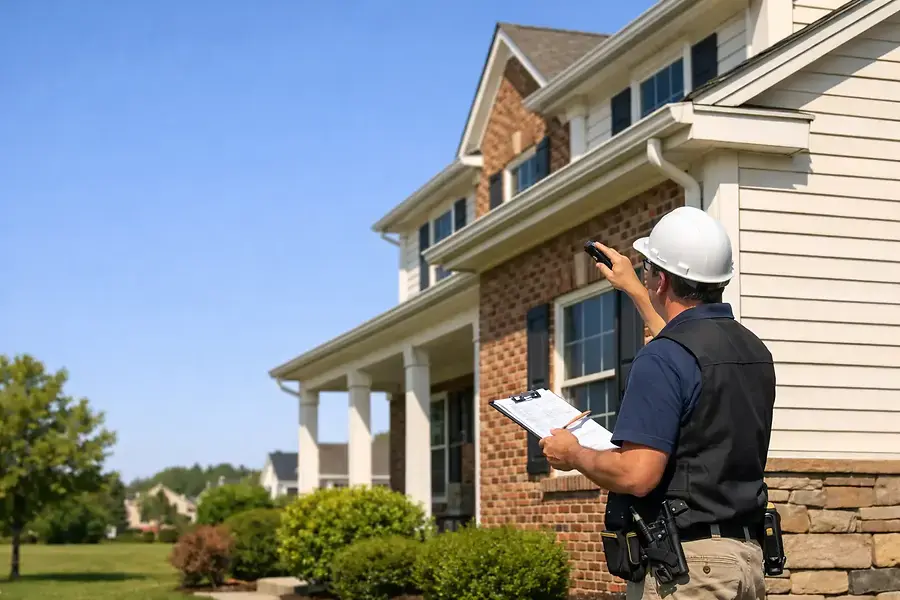
Why Home Inspections Matter in Frederick
Purchasing a home is one of the most significant investments you'll make in your lifetime. In Frederick, where properties range from historic colonial homes to modern suburban residences, a thorough home inspection is absolutely essential. A professional home inspection provides an objective assessment of your potential property's condition, helping you understand exactly what you're buying.
Home inspections serve as your protection against unexpected repairs and costly surprises after closing. They give you valuable information to negotiate repairs with sellers, request credits, or make an informed decision about whether to proceed with the purchase. Without a proper inspection, you could inherit serious structural problems, electrical issues, or plumbing defects that could cost thousands of dollars to repair.
In Frederick's diverse real estate market, inspections are particularly important because many homes have unique characteristics and age-related considerations. Whether you're buying a charming historic property or a newer construction home, a qualified inspector will identify any issues that need attention.
Common Issues Found During Frederick Home Inspections
Roof and Exterior Damage
Frederick's weather patterns can be tough on roofing materials. Inspectors frequently find missing or damaged shingles, deteriorated flashing, and compromised gutters. These issues may seem minor but can lead to water damage and mold growth if left unaddressed.
Foundation and Structural Concerns
Many Frederick homes, particularly older properties, may have foundation settling or cracks. While some minor cracks are normal, significant structural issues require professional evaluation and can be expensive to repair. Inspectors look for signs of water intrusion, efflorescence, and structural movement.
HVAC System Problems
Heating and cooling systems are critical in Frederick's climate. Common findings include:
- Aging furnaces or air conditioning units nearing the end of their lifespan
- Inadequate maintenance and dirty filters
- Improper ductwork installation or leaks
- Thermostat issues and temperature inconsistencies
Plumbing and Water Issues
Water-related problems are among the most costly issues found in home inspections. Inspectors check for:
- Outdated or corroded pipes that may fail soon
- Water pressure problems and drainage issues
- Signs of previous or active water damage
- Septic system concerns in properties outside municipal water systems
Electrical System Deficiencies
Electrical issues pose serious safety risks and should never be ignored. Inspectors look for outdated wiring, insufficient outlets, overloaded circuits, and non-compliant installations that don't meet current building codes.
Insulation and Energy Efficiency
Many Frederick homes lack adequate insulation, leading to higher energy bills. Inspectors assess attic insulation, wall cavities, and basement areas to identify energy efficiency improvements that could save you money long-term.
What to Expect During Your Inspection and How to Prepare
The Inspection Process
A typical home inspection in Frederick takes two to four hours, depending on the property's size and age. The inspector will systematically examine:
- Roof condition and attic space
- Exterior walls, foundation, and grading
- Windows, doors, and weatherproofing
- Interior walls, ceilings, and flooring
- Kitchen and bathroom fixtures
- Electrical panel and wiring
- Plumbing system and water heater
- HVAC equipment and ductwork
- Basement or crawl space conditions
How to Prepare for Your Inspection
Before the inspection day arrives, take these steps to ensure a smooth process:
- Ensure access to all areas: Make sure the inspector can reach the attic, basement, crawl spaces, and mechanical rooms
- Gather documentation: Collect any available records of previous repairs, renovations, or maintenance
- Plan to attend: Being present during the inspection allows you to ask questions and learn about the property
- Make a list: Note any concerns you have about the property to discuss with the inspector
- Clear pathways: Remove clutter and ensure the inspector can safely navigate the property
After the Inspection
The inspector will provide a detailed written report, typically within 24 hours. This report categorizes findings by severity and includes photographs of problem areas. Review this report carefully and discuss any concerns with your real estate agent. You can then decide whether to request repairs, ask for credits, or renegotiate the purchase price.
For significant issues, consider obtaining quotes from licensed contractors to understand the true cost of repairs. This information is invaluable when negotiating with the seller.
Using Inspection Results to Make Confident Decisions
A home inspection report can feel overwhelming, but it's designed to empower you. Not every issue found requires immediate action—some items are simply maintenance recommendations or cosmetic concerns. Focus on major structural, electrical, plumbing, and safety issues that could affect your family's wellbeing or the property's value.
Use the inspection results to:
- Negotiate repairs or credits with the seller
- Plan for future maintenance and budgeting
- Understand the true condition of your investment
- Make an informed decision about proceeding with the purchase
Remember, a home inspection is not a deal-breaker—it's a deal-clarifier. It gives you the information you need to move forward confidently or walk away if the property doesn't meet your needs and budget.
In Frederick's competitive real estate market, a thorough home inspection is your best defense against costly surprises. By understanding what inspectors look for and how to use their findings, you'll make a smarter, more confident decision about your new home purchase.


