Essential Guide to Residential Property Inspections Before Buying
What every homebuyer needs to know before closing the deal on their new property.

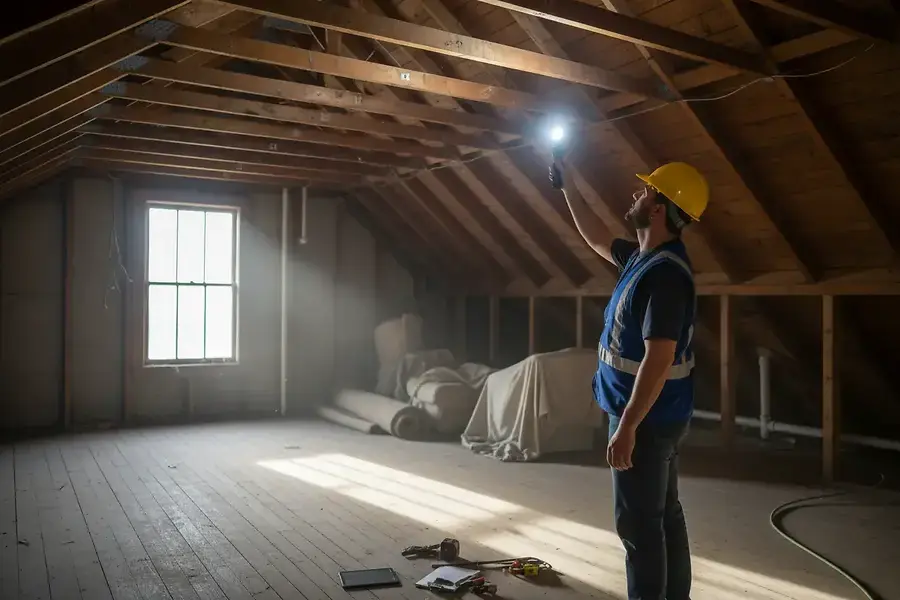
Introduction: Why Professional Property Inspections Matter for Homebuyers
Purchasing a home is one of the most significant financial decisions you'll ever make. Before signing on the dotted line, a professional property inspection is essential to protect your investment and avoid costly surprises down the road. A thorough inspection can reveal hidden problems that might not be visible during a casual walkthrough, from structural issues to outdated electrical systems.
Many homebuyers underestimate the importance of inspections, viewing them as an unnecessary expense. However, the cost of a professional inspection—typically between $300 and $500—is minimal compared to the potential expenses of addressing major repairs after purchase. An inspection gives you leverage to negotiate repairs or price reductions before you're legally bound to the property.
A professional inspector serves as your advocate, providing an objective assessment of the property's condition and identifying areas that require attention or further evaluation by specialists.
Key Areas Inspectors Evaluate and What to Watch For
Structural Integrity and Foundation
Inspectors examine the foundation, walls, and overall structural components for signs of damage, settling, or deterioration. Look for:
- Cracks in the foundation or basement walls
- Water damage or moisture intrusion
- Uneven floors or doors that don't close properly
- Evidence of past or ongoing foundation repairs
Foundation issues are among the most expensive to repair, so this area deserves careful attention.
Roofing and Exterior
The roof protects your entire home from the elements. Inspectors assess:
- Roof age and remaining lifespan
- Missing, damaged, or curling shingles
- Proper drainage and gutter condition
- Exterior siding, windows, and doors for damage or deterioration
A roof replacement can cost $10,000 or more, making this evaluation crucial for your budget planning.
Electrical Systems
Outdated or faulty electrical systems pose safety risks and may require upgrades. Inspectors check:
- Panel capacity and condition
- Presence of outdated wiring (aluminum or knob-and-tube)
- Proper grounding and circuit breakers
- Number and placement of outlets
Electrical upgrades can be costly, so understanding the system's condition is vital.
Plumbing and Water Systems
Water-related issues can lead to mold, rot, and structural damage. Inspectors evaluate:
- Water pressure and flow
- Pipe material and condition (galvanized, copper, PVC)
- Presence of leaks or water stains
- Water heater age and functionality
- Septic or sewer system condition
HVAC Systems
Heating, ventilation, and air conditioning systems are essential for comfort and health. Inspectors assess:
- Age and condition of furnace and air conditioning units
- Proper ventilation and ductwork
- Thermostat functionality
- Maintenance history
Insulation and Ventilation
Proper insulation and ventilation affect energy efficiency and prevent moisture problems. Inspectors look for:
- Adequate attic insulation
- Proper ventilation to prevent moisture buildup
- Air sealing and weatherization
How to Review Inspection Reports and Negotiate Repairs
Understanding the Report
Professional inspection reports are typically detailed documents that categorize findings by severity. Most reports use classifications such as:
- Critical Issues: Problems that pose safety risks or require immediate attention
- Major Issues: Significant defects that will likely need repair soon
- Minor Issues: Small problems that don't require immediate action
- Recommendations: Suggestions for maintenance or upgrades
Take time to review the report thoroughly and ask your inspector to clarify any findings you don't understand.
Prioritizing Issues
Not all inspection findings require negotiation. Focus on critical and major issues that affect safety, functionality, or long-term value. Minor cosmetic issues are typically the buyer's responsibility after closing.
"The inspection report is your roadmap for negotiations. Use it strategically to address only the most significant issues."
Negotiation Strategies
Once you have the inspection report, you have several options:
- Request Repairs: Ask the seller to fix critical issues before closing
- Request Credits: Negotiate a reduction in the purchase price to cover repair costs
- Request Inspections by Specialists: For major issues, ask the seller to provide estimates from licensed contractors
- Walk Away: If issues are too extensive, you may choose to terminate the purchase
Be reasonable in your requests. Sellers are more likely to cooperate if you focus on legitimate safety and structural concerns rather than minor cosmetic issues.
Getting Repair Estimates
For significant issues, obtain written estimates from licensed contractors. This gives you concrete numbers for negotiation and helps you understand the true cost of repairs. Share these estimates with the seller to support your requests.
Conclusion: Making Informed Decisions with Inspection Data
A professional property inspection is an investment in your peace of mind and financial security. By understanding what inspectors evaluate and how to use the inspection report, you can make informed decisions about your home purchase.
Remember that no home is perfect. The goal of an inspection isn't to find a flawless property but to identify issues that affect safety, functionality, and value. Armed with this knowledge, you can negotiate effectively, plan for future maintenance, and move forward with confidence in your new home purchase.
Don't skip the inspection to save money or speed up the closing process. The insights gained from a professional evaluation far outweigh the modest cost, protecting your investment and ensuring you're making one of life's most important decisions with full knowledge of what you're buying.


