Essential Home Inspection Checklist for Atlanta Metro Area Buyers
Learn what professional inspectors evaluate to protect your residential investment and negotiate with confidence.

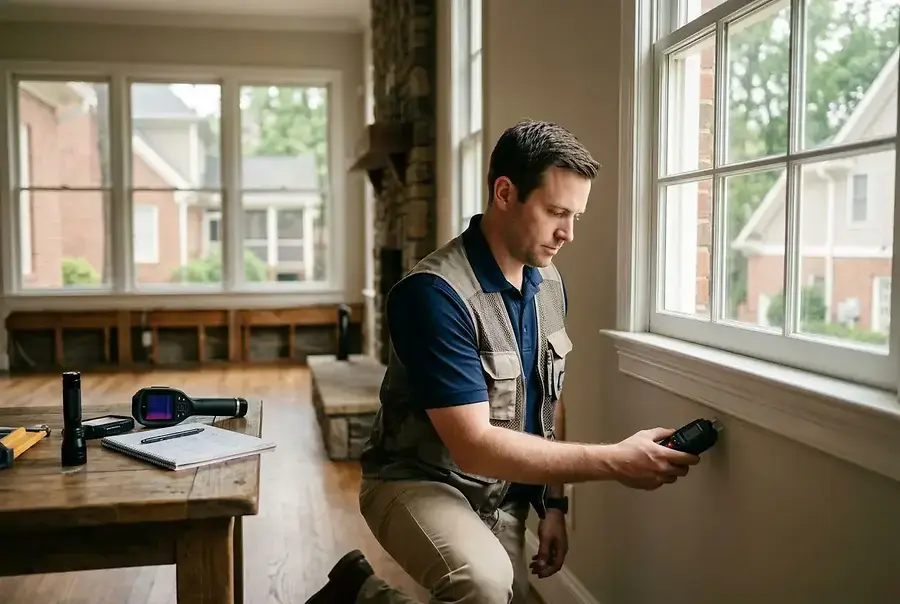
Why Home Inspections Matter for Metro Atlanta Buyers
Purchasing a home is one of the most significant financial decisions you'll make. In the competitive Atlanta metro real estate market, a professional home inspection serves as your safeguard against costly surprises and hidden defects. An inspection provides an objective assessment of a property's condition, giving you the knowledge needed to negotiate effectively and make confident purchasing decisions.
A thorough inspection typically costs between $300 and $500, but it can save you thousands by identifying issues before you commit to the purchase. Whether you're buying a historic home in Inman Park or a newer construction in the suburbs, understanding what inspectors evaluate is crucial to protecting your investment.
Critical Systems and Structures Professional Inspectors Examine
Foundation and Structural Integrity
Inspectors begin by evaluating the foundation for cracks, settling, and water damage. They assess the structural soundness of the home, checking for signs of foundation failure that could indicate serious problems. In the Atlanta metro area, where soil composition varies significantly, foundation issues are particularly important to monitor.
Roofing and Exterior
The roof is your home's first line of defense against the elements. Inspectors examine:
- Shingle condition and remaining lifespan
- Flashing around chimneys and vents
- Gutters and downspouts
- Siding, trim, and exterior walls
- Windows and doors for proper sealing
Plumbing Systems
A comprehensive plumbing inspection includes checking water pressure, drainage, and the condition of pipes. Inspectors look for leaks, corrosion, and outdated materials that may need replacement. They also evaluate water heaters for age, functionality, and safety.
Electrical Systems
Inspectors verify that electrical systems meet current safety standards. They examine the panel, breakers, outlets, and wiring to ensure everything functions properly and poses no fire hazards. Outdated electrical systems are common in older Atlanta homes and may require upgrades.
HVAC Systems
Heating, ventilation, and air conditioning systems are critical in Atlanta's climate. Inspectors test functionality, check refrigerant levels, and assess the age and condition of units. They also evaluate ductwork for proper installation and sealing.
Insulation and Ventilation
Proper insulation and ventilation affect energy efficiency and prevent moisture problems. Inspectors check attic insulation levels, ventilation adequacy, and signs of moisture or mold growth.
Common Red Flags and Issues Found in Atlanta Metro Homes
Water Damage and Moisture Issues
Atlanta's humid climate makes water damage and mold a common concern. Inspectors look for:
- Stains on ceilings and walls
- Soft or rotting wood
- Musty odors indicating mold
- Poor drainage around the foundation
Outdated Systems
Many homes in the Atlanta metro area contain aging systems that may fail soon. Knob-and-tube wiring, galvanized pipes, and original HVAC units from the 1980s or earlier are red flags requiring attention or replacement.
Pest Damage
Termite damage is particularly prevalent in Georgia. Inspectors examine wood structures for evidence of termite, carpenter ant, or other pest infestations. Previous pest damage may indicate ongoing vulnerability.
Roof Issues
Roofs nearing the end of their lifespan are expensive to replace. Inspectors note missing shingles, curling, granule loss, and other signs of deterioration that suggest replacement is imminent.
HVAC Concerns
Air conditioning systems that are 10-15 years old may be approaching the end of their useful life. Inspectors identify units that will likely need replacement soon, helping you budget accordingly.
How to Use Inspection Results to Negotiate and Make Informed Offers
Understanding the Inspection Report
A detailed inspection report categorizes issues by severity. Major concerns require immediate attention and may significantly impact the home's value. Minor issues are typically cosmetic or involve routine maintenance. Understanding this distinction helps you prioritize concerns and determine negotiation strategy.
Negotiation Strategies
Once you receive the inspection report, you have several options:
- Request repairs: Ask the seller to fix major issues before closing
- Request credits: Negotiate a reduction in purchase price to cover repair costs
- Walk away: If issues are too extensive, you may choose to withdraw from the purchase
- Accept as-is: If issues are minor or you're comfortable with the home's condition, proceed without changes
Getting Repair Estimates
For significant issues, obtain written estimates from licensed contractors. These estimates provide concrete numbers for negotiation and help you understand the true cost of repairs. Sellers are more likely to take your requests seriously when backed by professional quotes.
Making Your Final Decision
Use the inspection report as a tool for informed decision-making. Consider the home's overall condition, the cost of necessary repairs, and your budget. Remember that no home is perfect—focus on whether the property represents good value for your investment.
Conclusion: Making Your Best Decision with Inspection Knowledge
A professional home inspection is an essential step in the home-buying process for Atlanta metro area buyers. By understanding what inspectors evaluate, recognizing common issues, and knowing how to use inspection results effectively, you empower yourself to make confident decisions and negotiate from a position of knowledge.
Don't skip the inspection to save money or expedite the process. The insights gained from a thorough evaluation far outweigh the modest cost, protecting your investment and ensuring you're making an informed choice about one of life's most important purchases.


