Essential Home Inspection Checklist for Central Coast Properties
Protect your investment by knowing what to look for during a professional home inspection on California's Central Coast.

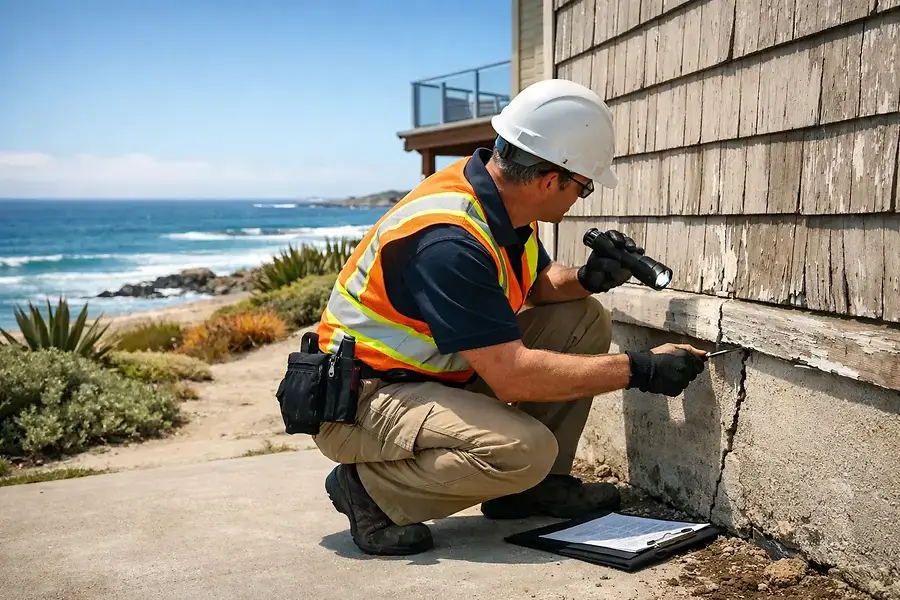
Why Home Inspections Matter for Central Coast Buyers
Purchasing a home on California's Central Coast is an exciting investment, but it comes with unique challenges that require careful attention. The region's distinctive climate, coastal proximity, and geological characteristics make thorough home inspections absolutely essential. A professional inspection can reveal hidden issues that might cost thousands to repair, protecting your financial investment and ensuring your family's safety.
Central Coast properties face specific environmental pressures that inland homes may never encounter. Salt air corrosion, soil movement, moisture intrusion, and seismic activity are just a few factors that inspectors must evaluate. By understanding what to look for during an inspection, you can make informed decisions and negotiate repairs or price adjustments before closing the deal.
Key Structural and Foundation Issues to Inspect in Coastal Properties
Foundation and Soil Stability
The foundation is your home's most critical structural component. On the Central Coast, inspectors should examine foundations for:
- Cracks and settling: Look for horizontal, diagonal, or stair-step cracks that indicate foundation movement or soil instability
- Water damage: Check for signs of moisture intrusion, efflorescence (white mineral deposits), or standing water in basements and crawl spaces
- Soil composition: Coastal soils can be expansive or prone to shifting, requiring specialized assessment
- Drainage systems: Verify that gutters, downspouts, and grading direct water away from the foundation
Coastal Erosion and Slope Stability
Properties near cliffs or hillsides require special attention to erosion and slope stability. Inspectors should evaluate:
- Evidence of past landslides or soil movement on the property or nearby
- Retaining wall conditions and proper drainage behind walls
- Vegetation loss or exposed soil that indicates erosion
- Proximity to known fault lines or geologically unstable areas
Roof and Exterior Envelope
The Central Coast's salt air and weather patterns demand a robust exterior. Inspectors should assess:
- Roof condition: Look for missing shingles, rust on metal roofs, and proper flashing around chimneys and vents
- Siding and trim: Check for salt corrosion, wood rot, and paint deterioration
- Windows and doors: Verify proper sealing and operation, as salt air accelerates degradation
- Gutters and downspouts: Ensure they're clear, properly attached, and directing water appropriately
Systems and Safety Features Every Inspector Should Evaluate
Electrical Systems
A comprehensive electrical inspection is crucial for safety and functionality. Inspectors should check:
- The main electrical panel for proper labeling, grounding, and capacity
- Presence of GFCI outlets in kitchens, bathrooms, and outdoor areas
- Proper wire gauging and absence of aluminum wiring (a fire hazard)
- Adequate lighting and outlet placement throughout the home
Plumbing and Water Systems
Water-related issues are common in coastal properties. Inspectors should evaluate:
- Water pressure and flow: Test all fixtures to ensure adequate water delivery
- Pipe materials: Identify outdated materials like galvanized steel or polybutylene that may need replacement
- Septic systems: For properties not on municipal sewer, verify proper function and maintenance records
- Water heater: Check age, condition, and proper venting
- Corrosion: Look for signs of salt-air corrosion on copper pipes and fixtures
HVAC and Ventilation
Proper heating, cooling, and ventilation are essential for comfort and health. Inspectors should examine:
- Age and condition of furnace or heat pump systems
- Air conditioning unit functionality and refrigerant levels
- Ductwork integrity and proper insulation
- Ventilation systems in kitchens and bathrooms to prevent moisture buildup
Safety Features and Hazards
Modern homes require specific safety features. Inspectors should verify:
- Smoke and carbon monoxide detectors: Presence and proper placement
- Fire extinguishers: Accessible and properly maintained
- Handrails and guardrails: Secure and code-compliant on stairs and decks
- Asbestos and lead: Testing for these hazardous materials in older homes
- Mold and moisture: Signs of water damage or mold growth that could affect health
Deck and Exterior Structures
Central Coast properties often feature decks and outdoor structures that require careful inspection:
- Structural integrity and proper fastening
- Wood rot or corrosion in metal components
- Proper railings and safety features
- Adequate drainage to prevent water accumulation
Using Inspection Reports to Make Confident Purchasing Decisions
A professional home inspection report provides detailed documentation of a property's condition. Don't skip this critical step in the home-buying process. The inspection report serves as your roadmap for understanding what repairs or improvements may be needed.
After receiving the inspection report, you have several options:
- Request repairs: Ask the seller to fix significant issues before closing
- Negotiate credits: Request a price reduction to cover repair costs you'll handle yourself
- Walk away: If major issues exist, you may decide the property isn't right for you
- Plan ahead: Budget for known repairs and maintenance in your first years of ownership
Remember that a home inspection is an investment in your peace of mind and financial security. The cost of a professional inspection is minimal compared to the potential savings from identifying problems early. For Central Coast properties, where environmental factors create unique challenges, a thorough inspection is not just recommended—it's essential.
By understanding what inspectors evaluate and asking the right questions, you'll be well-equipped to make a confident purchasing decision. Your dream Central Coast home should be a sound investment that brings joy for years to come.