Essential Home Inspection Checklist for Chicago Suburban Buyers
Discover the critical inspection points every homebuyer should evaluate before closing on a residential property.

Why Home Inspections Are Critical for Suburban Illinois Homebuyers
Purchasing a home is one of the most significant financial decisions you'll make in your lifetime. For homebuyers in Chicago's suburban communities, a thorough home inspection is not just a recommendation—it's an essential safeguard for your investment. A professional home inspection provides an objective assessment of a property's condition, identifying potential issues before you commit to the purchase.
Many first-time homebuyers underestimate the importance of inspections, viewing them as an unnecessary expense. However, the cost of a comprehensive inspection—typically between $300 and $500—is minimal compared to the thousands of dollars you could spend on unexpected repairs after closing. An inspector acts as your advocate, uncovering hidden problems that could affect your home's safety, value, and livability.
Key reasons to prioritize home inspections include:
- Identifying structural defects and foundation issues early
- Discovering outdated or failing mechanical systems
- Revealing water damage, mold, or pest infestations
- Providing negotiating leverage for repairs or price adjustments
- Gaining peace of mind before closing day
Structural, Foundation & Exterior Components to Evaluate
Foundation and Basement Assessment
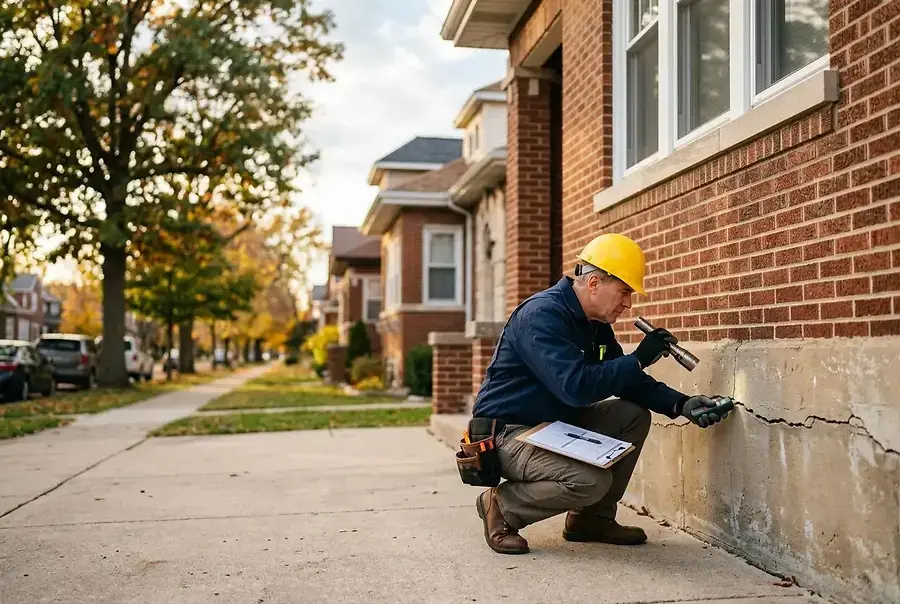
The foundation is your home's most critical structural element. During inspection, look for cracks in the foundation walls, particularly horizontal or stair-step patterns that indicate serious structural movement. Minor hairline cracks are common, but wider cracks (more than 1/4 inch) warrant professional evaluation.
Inspect basement walls for water damage, efflorescence (white mineral deposits), or signs of previous flooding. Check for proper grading around the foundation—soil should slope away from the house to direct water away from the basement. Inadequate drainage is a common issue in suburban Illinois properties and can lead to costly water intrusion problems.
Roof Condition and Integrity
Your roof protects everything beneath it, making its condition paramount. A professional inspector will evaluate shingle condition, flashing around chimneys and vents, and gutter systems. Look for missing, curled, or deteriorated shingles, which indicate the roof may need replacement soon.
The age of the roof is crucial—most asphalt shingle roofs last 15-20 years. If your potential home has an older roof, budget for replacement in your financial planning. Proper attic ventilation and insulation also affect roof longevity and energy efficiency.
Exterior Walls and Siding
Examine the home's exterior for damaged siding, rotting wood, or deteriorating brick and mortar. Pay special attention to areas around windows and doors where water can infiltrate. Check that caulking is intact and that there are no gaps allowing moisture penetration.
For homes with brick or stone exteriors, inspect mortar joints for deterioration. Repointing (replacing mortar) can be expensive, so understanding the condition of masonry is important for long-term maintenance planning.
Interior Systems: HVAC, Plumbing, Electrical, Roofing & Appliances
Heating, Ventilation, and Air Conditioning (HVAC)
The HVAC system is essential for comfort and indoor air quality. During inspection, verify that furnaces and air conditioning units are functioning properly and are appropriately sized for the home. Ask about the age of equipment—most systems last 15-20 years before requiring replacement.
Check that ductwork is properly sealed and insulated, as leaky ducts reduce efficiency and increase energy costs. Ensure adequate return air vents and that the system has been regularly maintained with filter changes.
Plumbing Systems and Water Quality
A comprehensive plumbing inspection should verify proper water pressure, adequate drainage, and the absence of leaks. Inspectors will check visible pipes under sinks, in basements, and crawl spaces for corrosion or damage.
The age and material of water supply lines matter significantly. Older homes may have galvanized steel pipes that corrode over time, reducing water quality and pressure. Polybutylene pipes, common in homes built in the 1980s-1990s, are prone to failure and may need replacement.
Ask about the water heater's age and condition. Most water heaters last 8-12 years. Additionally, inquire about water quality and whether a water softener or filtration system is in place.
Electrical Systems and Safety
Electrical safety is non-negotiable. The inspector will evaluate the main electrical panel, circuit breakers, and visible wiring throughout the home. Outdated electrical panels with insufficient capacity may need upgrading to support modern appliances and devices.
Check for proper grounding and that outlets in bathrooms and kitchens have ground fault circuit interrupter (GFCI) protection. Aluminum wiring, found in some homes built in the 1960s-1970s, poses fire hazards and should be noted.
Appliances and Built-in Systems
While inspectors typically evaluate appliances that are included in the sale, verify their age, functionality, and remaining lifespan. Refrigerators, ranges, dishwashers, and other built-in appliances represent significant replacement costs if they fail shortly after purchase.
Check that all appliances are properly vented and that gas appliances have appropriate safety features and ventilation. Ensure the kitchen exhaust system effectively removes cooking odors and moisture.
Protecting Your Investment Through Comprehensive Property Inspections
A thorough home inspection is your opportunity to make an informed decision about one of life's largest purchases. By carefully evaluating structural integrity, mechanical systems, and exterior components, you gain valuable insight into the true condition of your potential home.
Remember these final inspection tips:
- Hire a certified, licensed home inspector with experience in your area
- Attend the inspection in person to ask questions and understand findings
- Request a detailed written report with photos and recommendations
- Use inspection findings to negotiate repairs or credits with the seller
- Keep the inspection report for future reference and warranty claims
Taking the time to conduct a comprehensive home inspection demonstrates due diligence and protects your investment for years to come. Whether you're a first-time buyer or an experienced homeowner, a professional inspection provides the clarity and confidence needed to move forward with your purchase decision.